Tag Archives: ai

LiDAR Drone Services in St. Louis: When Precision Mapping Matters More Than Pretty Pictures

For many organizations, a drone deliverable starts with imagery. That makes sense. Aerial photos and video are fast, persuasive, and easy to use in marketing, reporting, and documentation. But some projects demand more than visuals. They require measurement, elevation intelligence, terrain modeling, and data that can support engineering, planning, asset management, and operational decision-making.

That is where LiDAR drone services become valuable.

LiDAR—short for Light Detection and Ranging—is a remote sensing method that uses laser pulses to measure distance and generate precise three-dimensional information about land and surface features. The raw collection is typically a point cloud, which can then be processed into deliverables such as digital terrain models, digital elevation models, contours, and other mapping products.

In a market like St. Louis, where businesses and institutions manage everything from construction sites and industrial properties to transportation corridors, utility assets, rooftops, campuses, and large commercial parcels, LiDAR can be the difference between “good enough for viewing” and “reliable enough for planning.”

What makes LiDAR different from standard drone imaging?

Traditional drone photography and photogrammetry are excellent tools, especially when the goal is marketing content, progress photography, visual inspection, or 3D modeling based on overlapping imagery. LiDAR serves a different purpose. Instead of relying only on photographs, it actively measures the environment with laser pulses, which makes it especially useful when you need elevation-based data and dense spatial information rather than just appearance. NOAA and USGS both describe LiDAR as a method for collecting accurate 3D information and point-cloud data that can be processed into bare-earth elevation products.
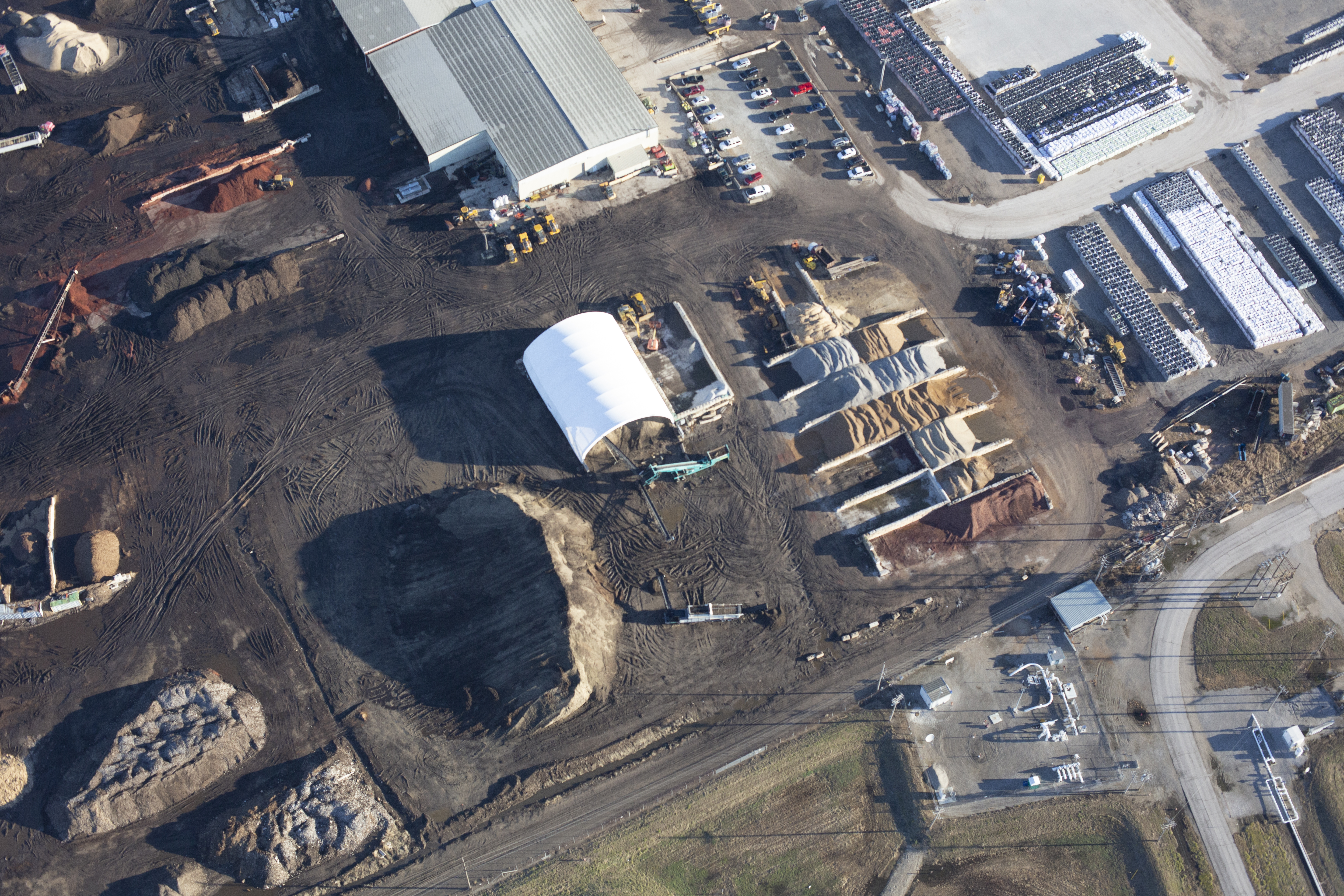
This distinction matters for decision makers. A marketing director may want dramatic aerial views. A facilities team may want measurable roof geometry. A civil engineer may need terrain models. A developer may need better site intelligence before design, grading, drainage, or access planning moves forward. A quarry or industrial operator may want volumetric understanding rather than just visual documentation.

In other words, photogrammetry shows you a site. LiDAR helps quantify it.

Why organizations hire LiDAR drone services

The strongest reason to commission LiDAR is not novelty. It is efficiency.

When a site is large, difficult to access, hazardous, uneven, vegetated, or operationally sensitive, collecting data from the air can reduce field time while improving coverage. The value is often not just in flying the mission, but in giving stakeholders a dataset they can reuse across departments and project phases.

Common use cases include:

  • topographic mapping
  • terrain and surface modeling
  • pre-construction site evaluation
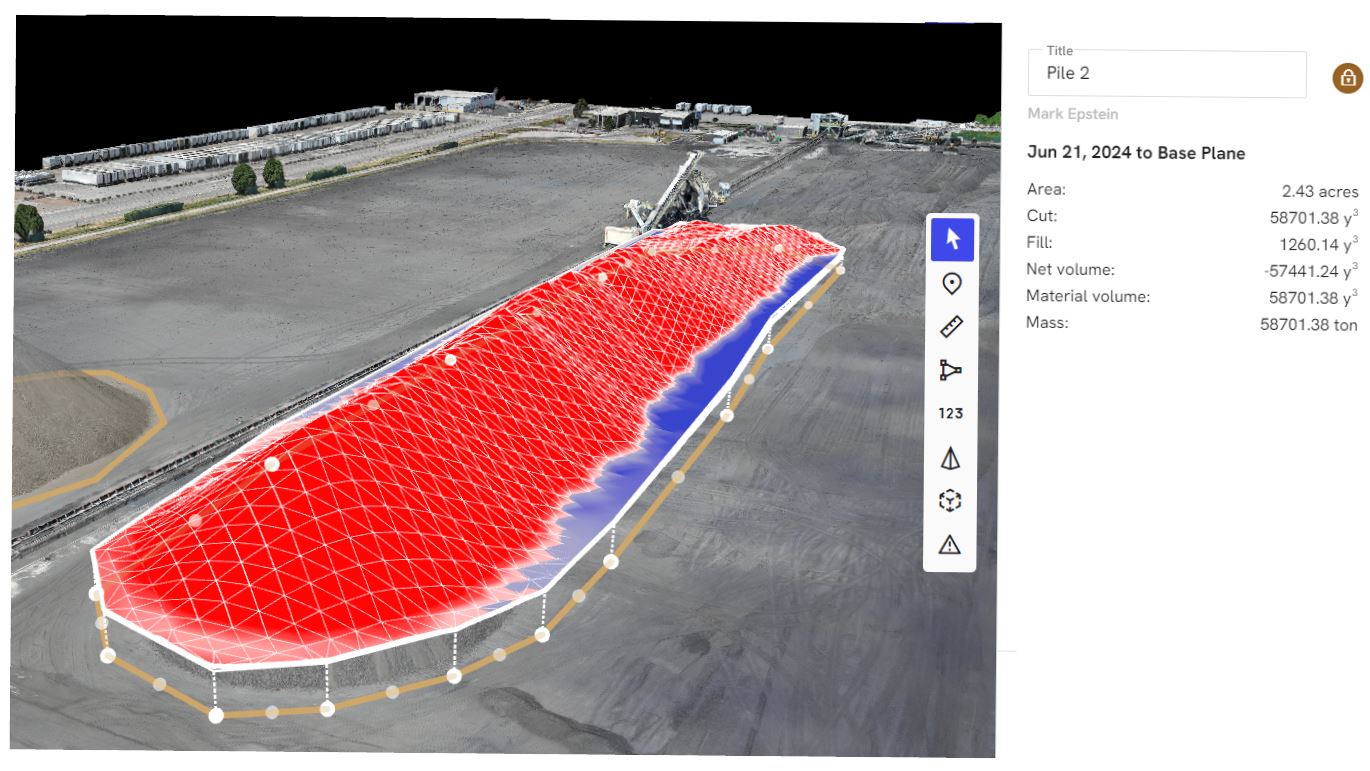
  • stockpile and volumetric analysis
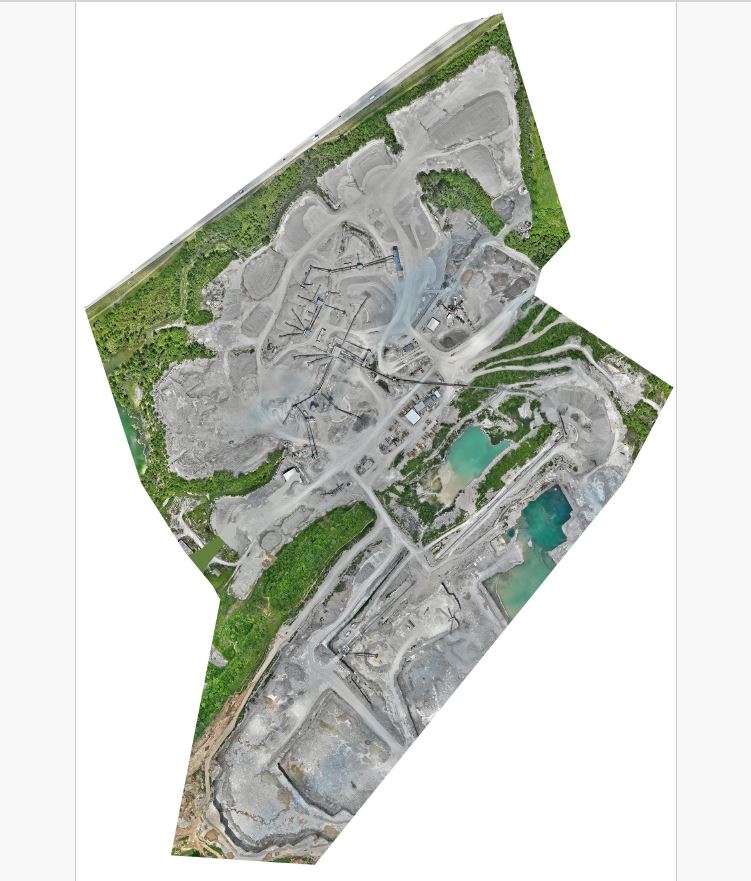
  • corridor and infrastructure documentation
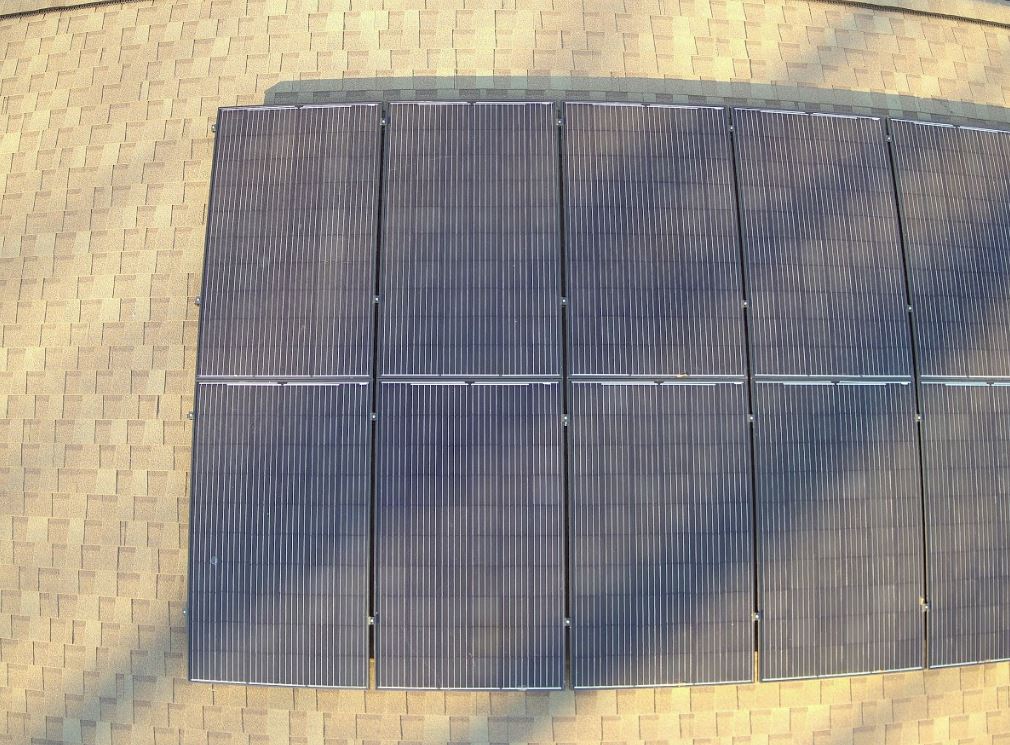
  • roof and facility measurement
  • stormwater and drainage review
  • land development planning
  • utility and industrial site documentation
  • large-campus and institutional asset mapping

For some of these projects, standard imagery may still be enough. For others, LiDAR becomes the better tool because the question is no longer “What does this look like?” but “What exactly is here, how does it vary in elevation, and how can we model it?”

LiDAR is especially useful when vegetation or surface complexity becomes a problem

One of the most important distinctions between LiDAR and simple imagery workflows is how the resulting data can be classified and processed. USGS notes that LiDAR data are initially captured as point clouds containing returns from structures, vegetation, and ground, and that bare-earth elevation products are produced by removing non-ground features. That makes LiDAR particularly valuable when the underlying terrain matters more than the visual clutter on top of it.

That has real implications in commercial and industrial environments. If your project involves embankments, detention areas, uneven ground, drainage paths, wooded edges, utility corridors, or a property with inconsistent grade, LiDAR can help reveal the surface in a way standard photography often cannot on its own.

For organizations making capital, engineering, maintenance, or land-use decisions, that can translate into fewer assumptions and better planning.

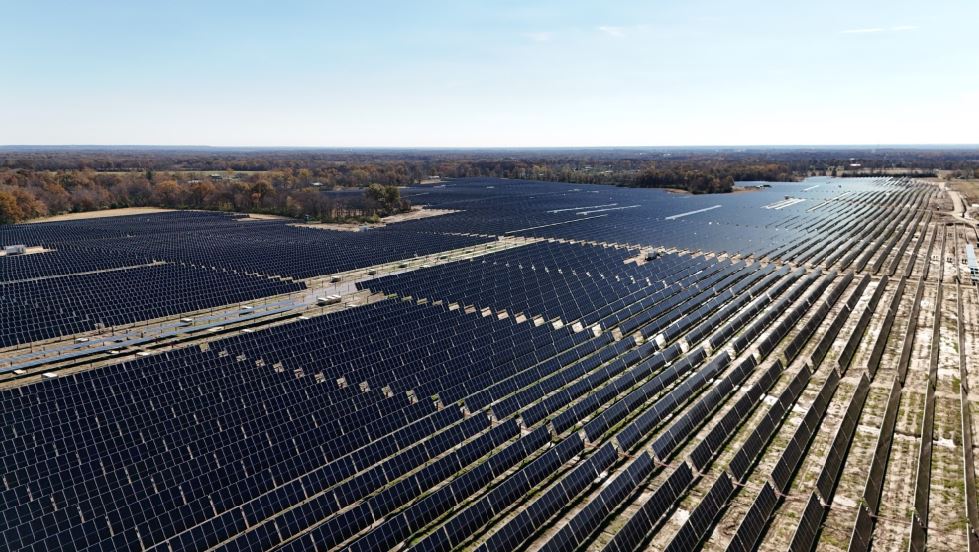
What decision makers should expect from a professional LiDAR workflow

LiDAR is not just about putting a sensor in the air. The quality of the result depends on planning, control, flight execution, processing, classification, accuracy strategy, and deliverable design.

A serious LiDAR workflow should begin with the business question. Are you trying to support engineering? Estimate material volume? Understand drainage? Document site conditions before construction? Create an archive for future design comparison? Build a long-term facilities dataset? The right workflow depends on the answer.

From there, a professional team typically evaluates:

  • site size and access
  • airspace and safety requirements
  • vegetation and obstruction density
  • target accuracy and project tolerances
  • need for ground control or checkpoints
  • coordinate system and datum requirements
  • output format requirements for downstream software
  • whether imagery should be captured alongside LiDAR

Accuracy is not a casual topic in mapping. ASPRS maintains positional accuracy standards for digital geospatial data specifically because mapping deliverables need to be tied to defined accuracy expectations and best practices rather than assumptions.

That is why experienced providers do more than collect data. They define the deliverable, the intended use, and the level of confidence the project requires.

Deliverables matter as much as the flight

Many buyers focus on the drone and sensor. Experienced clients focus on the output.

LiDAR projects can produce a range of deliverables, including classified point clouds, terrain models, elevation surfaces, contour files, orthographic context imagery, section cuts, measurement-based visuals, and integration-ready files for CAD, GIS, engineering, or facilities platforms. USGS references common products such as point clouds and bare-earth digital elevation models as foundational outputs from LiDAR collection.

That means the real question is not, “Can you fly LiDAR?” It is, “Can you deliver data our team can actually use?”

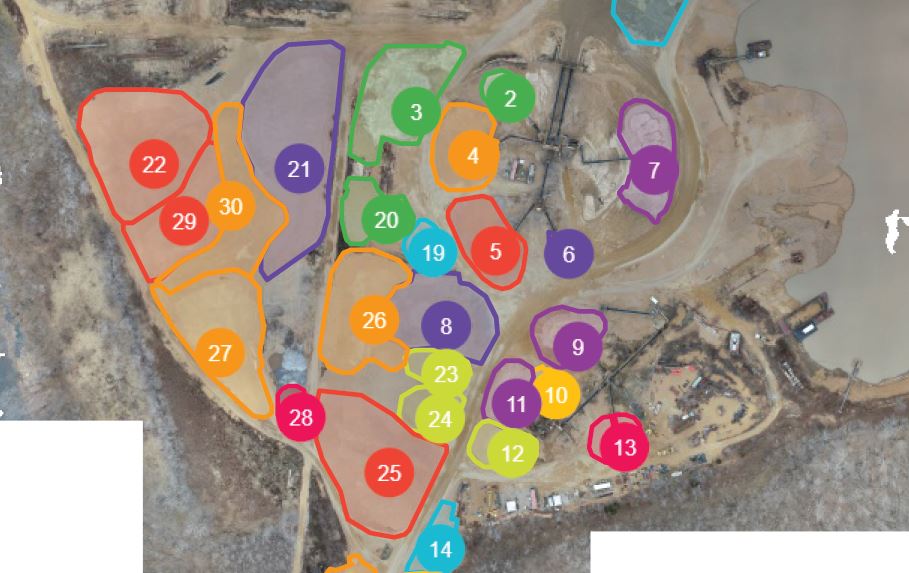
For marketing and communications teams, that may mean clear visuals that translate technical data into understandable presentations for internal stakeholders, investors, boards, or clients. For engineers and project managers, it may mean receiving mapping products in the right format, coordinate system, and structure for immediate use.

The best LiDAR providers understand both audiences.

LiDAR is not a replacement for commercial photography and video

This is where many conversations go wrong. Organizations sometimes assume LiDAR replaces imagery. It does not. It complements it.

A smart production strategy often combines technical capture with visual storytelling. You may need LiDAR for terrain intelligence, aerial photography for reports, ground photography for asset condition, and video for internal communications, investor relations, proposals, recruiting, or public outreach.

That combination is often where the greatest value appears. A single field deployment can support engineering, operations, marketing, training, and executive communication at the same time.

For businesses and organizations in St. Louis, that matters. Budgets are tighter when departments operate in silos. They go farther when one production strategy creates multiple usable assets.

Compliance, safety, and operational discipline are not optional

Commercial drone operations in the United States fall under FAA requirements for certificated remote pilots and Part 107 operating rules for small unmanned aircraft. The FAA’s commercial operator guidance notes that certificated remote pilots may conduct commercial small-UAS operations subject to those rules and any applicable airspace requirements.

For clients, the takeaway is straightforward: the right drone partner should already be thinking about safety, airspace, site restrictions, crew roles, and mission planning before the aircraft is ever launched.

That is particularly important in active commercial settings where flights may occur around buildings, parking lots, industrial yards, campuses, rooftops, or operational facilities. Technical capability matters, but operational judgment matters just as much.

Questions smart clients ask before hiring LiDAR drone services

Experienced buyers usually ask better questions than “What drone do you use?”

Better questions include:

  • What problem are we solving with LiDAR?
  • What level of accuracy is realistic for this site and deliverable?
  • What files will we receive?
  • Can the outputs work with our internal software or consultant workflow?
  • Will we also receive visual assets for presentations or communications?
  • How will the site be planned for safety and compliance?
  • What parts of the process are handled in-house versus outsourced?
  • Can the same production team also support photography, video, interviews, and branded content?

That last question is often overlooked. If your organization already needs visual media, site documentation, executive interviews, training footage, or marketing assets, there is a major advantage in working with a team that understands both technical capture and polished media production.

The strategic case for LiDAR in St. Louis

In practice, LiDAR drone services make the most sense when the cost of uncertainty is higher than the cost of capture.

If a site condition is difficult to interpret, if access is inefficient, if the terrain needs to be modeled, or if the property will be revisited repeatedly over time, LiDAR can provide a stronger informational foundation than standard imagery alone.

It is also useful when internal stakeholders need a common reference point. Operations, facilities, engineering, marketing, leadership, and outside consultants often evaluate the same property from different perspectives. A well-executed LiDAR project can create a shared dataset that supports all of them.

That makes LiDAR more than a drone service. It becomes a decision-support tool.

Why experience matters

LiDAR projects are rarely just about the flight. They are about understanding the client’s objective, choosing the right capture method, managing the site professionally, and delivering outputs that are technically useful and visually understandable.

That requires more than a pilot. It requires a production-minded team that understands location work, technical imaging, data handling, file delivery, client communication, and how to convert specialized capture into practical business value.

At St Louis Commercial Photographers, we bring that broader perspective to every assignment. We are a full-service professional commercial photography and video production company with the right equipment and creative crew service experience for successful image acquisition. We offer full-service studio and location video and photography, as well as editing, post-production and licensed drone services. St Louis Commercial Photographers can customize your productions for diverse types of media requirements. Repurposing your photography and video branding to gain more traction is another specialty.

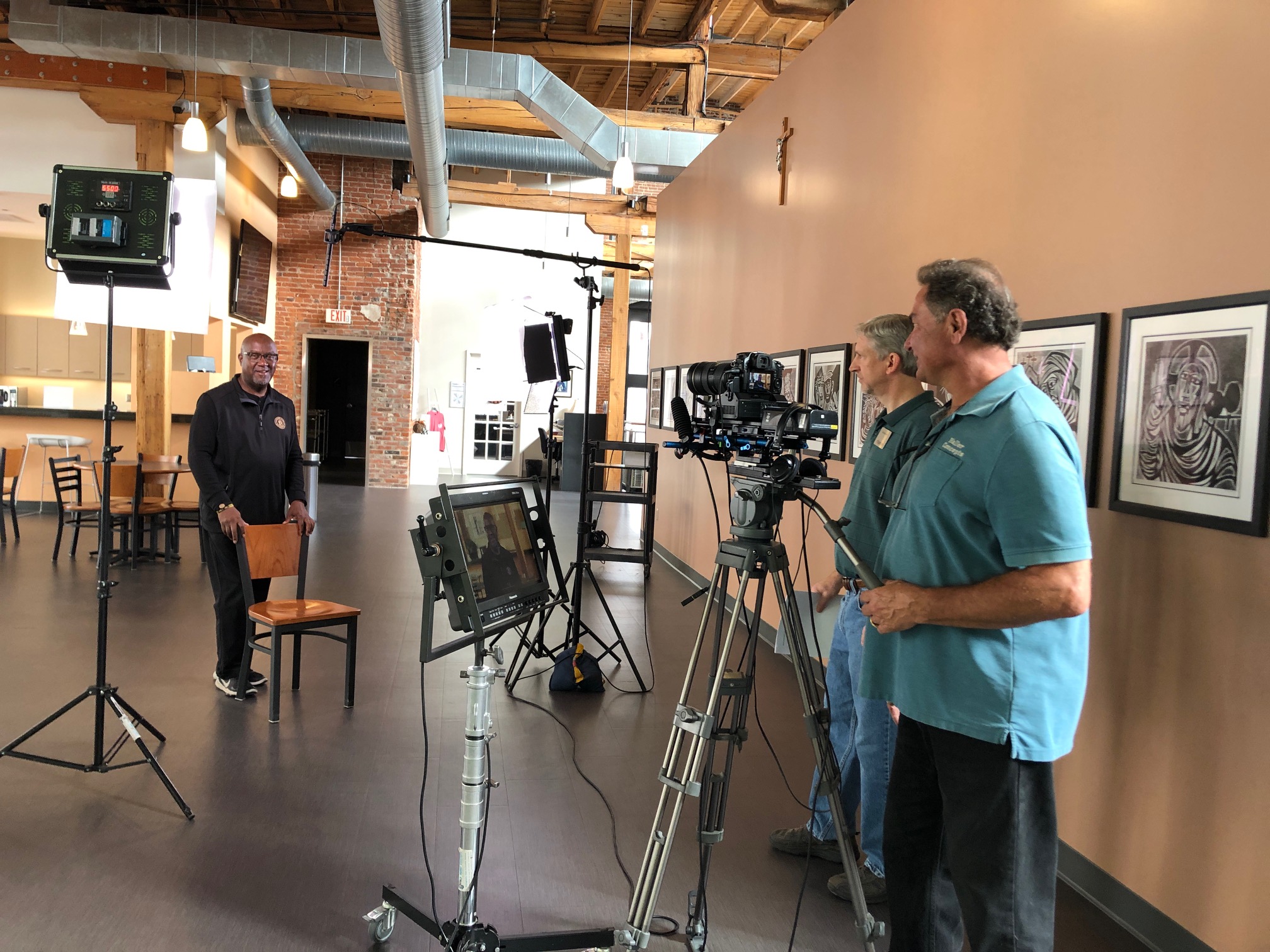
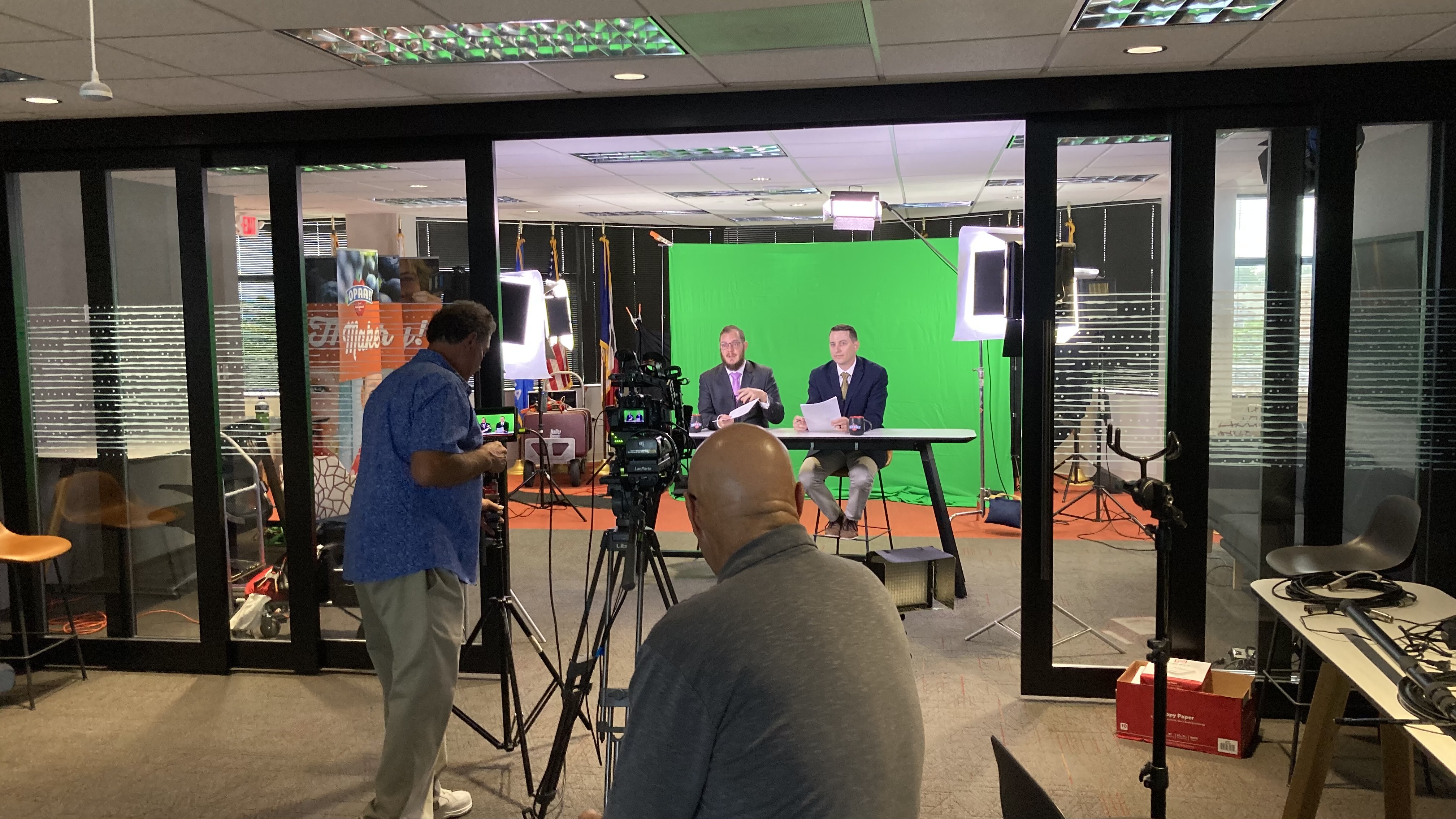
We are well-versed in all file types and styles of media and accompanying software. We use the latest in Artificial Intelligence for all our media services. Our private studio lighting and visual setup is perfect for small productions and interview scenes, and our studio is large enough to incorporate props to round out your set. We support every aspect of your production—from setting up a private, custom interview studio to supplying professional sound and camera operators, as well as providing the right equipment—ensuring your next video production is seamless and successful. We can fly our specialized drones indoors.

As a full-service video and photography production corporation, since 1982, St Louis Commercial Photographers has worked with many businesses, marketing firms, and creative agencies in the St. Louis area for their marketing photography and video. When your project calls for both technical aerial capability and polished visual production, we bring the experience, equipment, and creative judgment to help you capture the right data and turn it into useful deliverables.

314-913-5626

stlouiscommercialphotographers@gmail.com

Cost-Efficient Advertising Photographers in St. Louis: How to Get Better Creative Without Blowing the Budget

If you’re a marketing director, brand manager, or agency lead, you already know the trap: advertising photography can get expensive fast—and cheap photography can get expensive later (reshoots, mismatched branding, missed deadlines, unusable files, licensing surprises).

Cost-efficient advertising photography isn’t about “cutting corners.” It’s about building a repeatable process that delivers high-performing images and video with fewer shoot days, fewer revisions, and more usable final assets across campaigns.

This article lays out the exact levers that control cost, quality, and speed—so you can buy smarter, plan cleaner, and get more creative per dollar.


What “cost-efficient” really means in advertising photography

When we say “cost-efficient,” we mean:

  • High output per shoot hour (more usable final assets per day)
  • Lower total cost of ownership (fewer reshoots, fewer emergency edits, fewer format failures)
  • Better brand consistency (visual continuity across web, social, print, OOH, and internal comms)
  • Faster time-to-market (because your team isn’t stuck in approval and revision loops)

A cost-efficient production produces assets that perform, scale, and last—not just images that look “fine” in the moment.


The real budget drivers (and how to control them)

Most advertising shoots inflate for predictable reasons. Here’s what typically moves your budget—and how experienced production solves it.

1) Undefined deliverables = waste

When stakeholders say “we need content,” you get scope creep: extra setups, extra edits, extra versions.

Fix: Lock a deliverables map before the shoot:

  • of final selects per concept
  • aspect ratios (1:1, 4:5, 16:9, 9:16)
  • usage (web hero, email banners, paid social, print)
  • file formats (web-optimized, print-ready, layered files if needed)

A tight deliverables map reduces both shoot time and post-production time.

2) Too many concepts, not enough shot planning

Teams often try to capture “everything” in one day with no shot priority.

Fix: Build a tiered shot list:

  • Tier 1: Must-have hero shots (campaign-critical)
  • Tier 2: Supporting shots (product/service variety, alternate angles)
  • Tier 3: Nice-to-haves (culture, candid, seasonal, internal)

Tiering prevents the day from collapsing when time gets tight.

3) Location and logistics are silent budget killers

Parking, permits, security, access times, elevator rules, noise control, talent timing—these aren’t “creative,” but they decide whether you wrap on time.

Fix: Treat logistics like production:

  • Confirm access, staging, power, and load-in
  • Pre-block interview or portrait positions
  • Identify sound issues early (HVAC, machinery, public traffic)
  • Plan wardrobe/props staging so setups turn quickly

The highest ROI lever: repurposing (one shoot, many deliverables)

The most cost-efficient advertising shoots are designed for multi-channel reuse from the start.

A single well-planned production day can generate:

  • Website hero photography + supporting service imagery
  • Social media library (vertical + square crops that still look intentional)
  • Behind-the-scenes content for credibility and recruitment
  • Short-form video loops for ads
  • Brand storytelling stills for presentations and proposals
  • Consistent headshots or team portraits for leadership pages and PR

Key mindset: Don’t buy “photos.” Buy a content system.


How to scale crew and gear without overspending

Not every shoot needs a large crew. But under-crewing can be more expensive when it causes slowdowns or quality problems.

A practical approach is to right-size production based on risk:

  • Low risk / simple: one photographer + efficient lighting approach
  • Moderate complexity: photographer + assistant/digital tech for speed and consistency
  • High complexity: add producer, stylist, HMU, audio, second camera, etc.

Right-sizing avoids paying for unnecessary roles and avoids expensive delays caused by trying to do too much with too few hands.


Studio vs. location: choose based on control, not convenience

A studio can be the most cost-efficient option when you need:

  • repeatable lighting across many subjects/products
  • controlled sound for interviews
  • quick set resets
  • consistent color and backgrounds

Location is ideal when you need:

  • authenticity (real workplace, real environment)
  • scale (industrial, architectural, multi-area storytelling)
  • operational context that sells the service/product

Cost efficiency comes from choosing the environment that minimizes variables and maximizes usable shots.


Post-production: where budgets quietly double (unless you plan for it)

Advertising photography often becomes expensive in post because the creative direction wasn’t fully aligned in pre-production.

Best practices that reduce post costs:

  • approve a lighting and retouching “look” early (1–3 reference images)
  • confirm brand color targets (especially if product color accuracy matters)
  • decide in advance what gets composited vs. what stays practical
  • standardize exports and naming conventions so assets flow into marketing ops smoothly

When post is planned, you get consistent results without endless tweak cycles.


Licensing: avoid the “surprise cost” that catches teams off guard

Advertising usage often triggers licensing questions—especially when stock imagery, music, talent, or certain agreements are involved.

A professional production should help you clarify:

  • intended usage (organic vs paid, local vs national, duration)
  • talent releases and property releases as needed
  • what’s included in your buy (raw, selects, retouched finals, project files)
  • how your team can reuse assets across channels without hidden restrictions

Clarity here protects your budget and your campaign timeline.


AI in modern production: where it saves money (and where it doesn’t)

Used correctly, AI can reduce cost and increase speed—without reducing quality. Common high-value uses:

  • faster culling and organization
  • intelligent search and tagging for large libraries
  • cleanups and workflow automation (where appropriate)
  • versioning for formats (social crops, safe-area checks, variations)
  • assistive previsualization (mood boards, layout tests, creative direction alignment)

But AI is not a substitute for:

  • controlled lighting
  • authentic brand storytelling
  • accurate product representation
  • good audio and clean capture
  • experienced on-set decision-making

The most cost-efficient approach blends strong capture with modern AI-assisted workflow.


A practical checklist for decision makers hiring cost-efficient advertising photographers

Before you book, confirm your team can answer:

  • What are the top 5 campaign deliverables we must leave with?
  • What channels are we producing for (web, print, paid, social, internal)?
  • What must be consistent with brand (lighting style, colors, backgrounds)?
  • Who approves on the client side, and when?
  • What does “done” mean: number of finals, retouch level, export formats, deadlines?

If your provider helps you answer these quickly—and documents them—you’re already on the path to cost efficiency.


Why St Louis Commercial Photographers is built for cost-efficient advertising production

St Louis Commercial Photographers serves St. Louis businesses, marketing firms, and creative agencies with a production approach designed to deliver more usable assets per shoot day—without sacrificing quality or brand consistency.

We’re a full-service professional commercial photography and video production company with the right equipment and creative crew service experience for successful image acquisition. We offer full-service studio and location video and photography, as well as editing, post-production, and licensed drone services. St Louis Commercial Photographers can customize productions for diverse media requirements, and repurposing your photography and video branding to gain more traction is one of our specialties.

We’re well-versed in all file types, media styles, and the accompanying software ecosystems your team depends on—and we use the latest Artificial Intelligence tools to speed workflow, maintain consistency, and increase output. Our private studio lighting and visual setup is perfect for small productions and interview scenes, and our studio is large enough to incorporate props to round out your set. We support every aspect of your production—from setting up a private, custom interview studio to supplying professional sound and camera operators, as well as providing the right equipment—ensuring your next production is seamless and successful. We can even fly our specialized drones indoors.

As a full-service video and photography production corporation since 1982, St Louis Commercial Photographers has worked with many businesses, marketing firms, and creative agencies in the St. Louis area to produce cost-efficient advertising photography and video that’s designed to perform—and designed to scale.

314-913-5626

stlouiscommercialphotographers@gmail.com

Navigating Modern Business Photography Styles Without Breaking the Bank

In the current hyper-saturated digital landscape, your company’s visual identity isn’t just a supporting player—it’s the lead actor. As decision-makers in marketing and operations, you know that mediocre imagery is worse than having none at all. It signals stagnation and a lack of attention to detail.

Yet, a common friction point exists: the need for cutting-edge, dynamic visual content versus budgetary constraints. This often leads to the search for “affordable” solutions.

As experienced producers at St. Louis Commercial Photographers, we need to reframe what “affordable” means in professional B2B imaging. True affordability isn’t about finding the lowest hourly rate; it’s about securing the highest return on investment (ROI). It’s about partnering with professionals who understand the latest business styles and possess the technical capacity to execute them efficiently, creating assets that work harder and last longer for your brand.

Here is an expert perspective on why hiring seasoned professionals who grasp modern trends is the most cost-effective strategy for your business.

The Death of the “Stock Look” and the Rise of Authenticity

The biggest shift in modern business photography is the move away from the generic. The era of perfectly manifold, unnaturally smiling models shaking hands in a sterile boardroom is over. Today’s audiences—both B2B and B2C—crave authenticity. They can spot a stock photo a mile away, and they tune it out instantly.

Modern business style is about narrative. It’s about showing real employees in their actual environments, the grit and texture of your production floor, or the genuine interaction between your leadership team. Achieving this “effortless” authentic look actually requires significant skill in lighting, composition, and directing talent. An inexperienced photographer trying to capture “authenticity” often just produces sloppy snapshots. A pro knows how to craft an image that feels spontaneous but is strategically aligned with your brand message.

Leveraging Technology: AI and Advanced Workflows

When we talk about “affordable pros,” we are often talking about efficiency born of expertise. The latest advancements in visual technology, particularly Artificial Intelligence (AI), have revolutionized our workflows.

We aren’t talking about AI generating fake images for your brand. We are talking about using sophisticated AI tools in post-production for complex tasks like advanced retouching, rapid culling of thousands of images, intelligent upscaling, or seamless background extensions.

By integrating the latest in AI for our media services, we significantly reduce the man-hours required for high-end post-production. This means we deliver superior final products faster, allowing your budget to stretch further without compromising quality.

The Secret to Value: Asset Repurposing

An amateur shoots for a single use-case—perhaps a photo for the “About Us” page. A professional producer shoots for an entire ecosystem.

When we approach a project, we are already thinking about how a single setup can serve diverse media requirements. A video interview setup for a CEO isn’t just a video; it’s also a source for high-quality still portraits, soundbites for podcasts, short vertical clips for LinkedIn or TikTok, and background assets for web banners.

Repurposing your photography and video branding to gain more traction is a specialty of ours. We ensure you aren’t just buying photos; you are acquiring a library of versatile visual assets that lower your “cost-per-use” dramatically over time.

The St. Louis Commercial Photographers Difference

Ultimately, the most expensive photography you can buy is the kind you have to apologize for—or worse, pay to have re-shot. True economy lies in getting it right the first time with a partner who can handle every contingency.

Since 1982, St. Louis Commercial Photographers has been that partner for businesses, marketing firms, and creative agencies across the region. We have evolved alongside the industry, transitioning from analog film to high-definition digital video and sophisticated AI-assisted workflows.

We are a full-service professional commercial photography and video production company offering the exact blend of equipment, creative crew experience, and technical knowledge necessary for successful image acquisition in the modern marketplace.

We support every aspect of your production to ensure a seamless experience. Our capabilities include:

  • Versatile Studio & Location Work: Our private studio is the perfect visual setup for small productions and intimate interview scenes, yet large enough to incorporate significant props to round out your set. We are equally adept at managing complex location shoots.
  • Advanced Drone Operations: We employ licensed drone pilots and specialized equipment capable of capturing stunning aerial visuals, including drones designed specifically to fly indoors for unique facility tours or manufacturing perspectives.
  • Full Post-Production Services: We are well-versed in all file types and styles of media and accompanying software, handling everything from expert video editing to high-end photo retouching.
  • Comprehensive Crewing: From supplying professional sound engineers and skilled camera operators to setting up custom lighting grids, we handle the technical heavy lifting so you can focus on the message.

Don’t compromise your brand’s image with outdated styles or inexperienced execution. Partner with the professionals who know how to maximize your budget through skill, technology, and strategic foresight.

314-913-5626

stlouiscommercialphotographers@gmail.com