LiDAR Drone Services in St. Louis: When Precision Mapping Matters More Than Pretty Pictures

For many organizations, a drone deliverable starts with imagery. That makes sense. Aerial photos and video are fast, persuasive, and easy to use in marketing, reporting, and documentation. But some projects demand more than visuals. They require measurement, elevation intelligence, terrain modeling, and data that can support engineering, planning, asset management, and operational decision-making.

That is where LiDAR drone services become valuable.

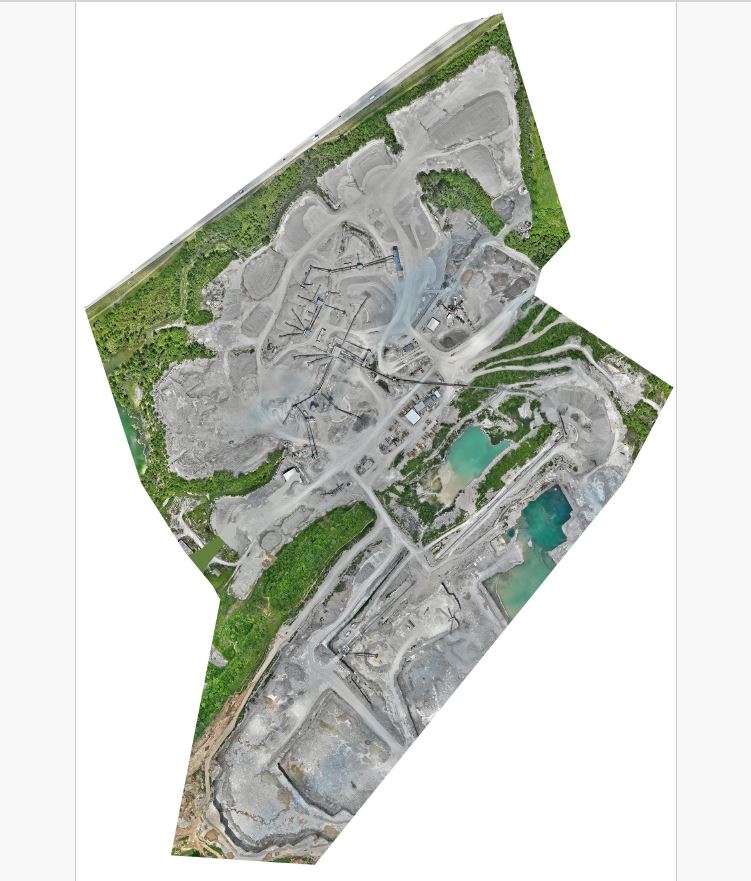
LiDAR—short for Light Detection and Ranging—is a remote sensing method that uses laser pulses to measure distance and generate precise three-dimensional information about land and surface features. The raw collection is typically a point cloud, which can then be processed into deliverables such as digital terrain models, digital elevation models, contours, and other mapping products.

In a market like St. Louis, where businesses and institutions manage everything from construction sites and industrial properties to transportation corridors, utility assets, rooftops, campuses, and large commercial parcels, LiDAR can be the difference between “good enough for viewing” and “reliable enough for planning.”

What makes LiDAR different from standard drone imaging?

Traditional drone photography and photogrammetry are excellent tools, especially when the goal is marketing content, progress photography, visual inspection, or 3D modeling based on overlapping imagery. LiDAR serves a different purpose. Instead of relying only on photographs, it actively measures the environment with laser pulses, which makes it especially useful when you need elevation-based data and dense spatial information rather than just appearance. NOAA and USGS both describe LiDAR as a method for collecting accurate 3D information and point-cloud data that can be processed into bare-earth elevation products.

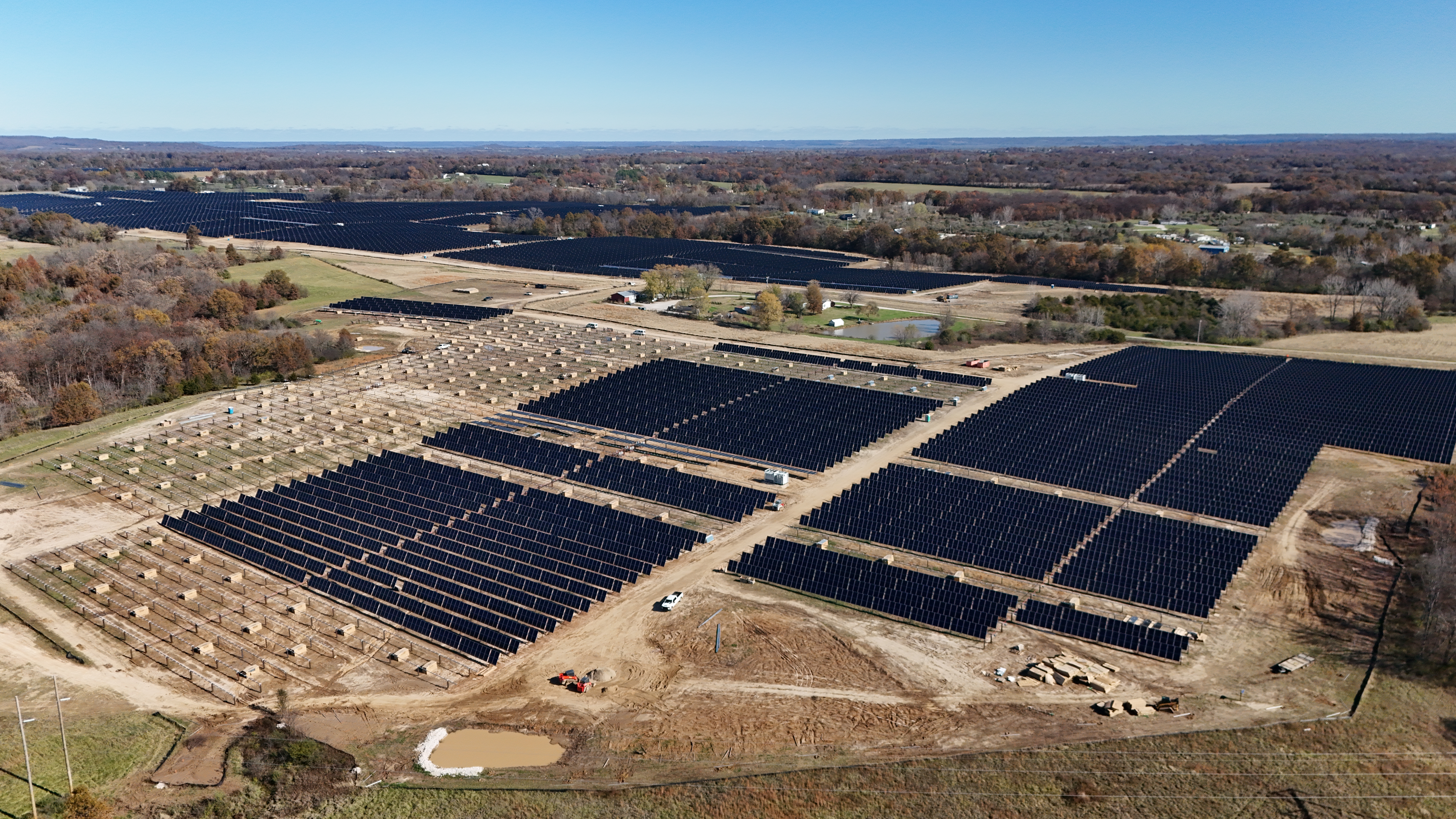
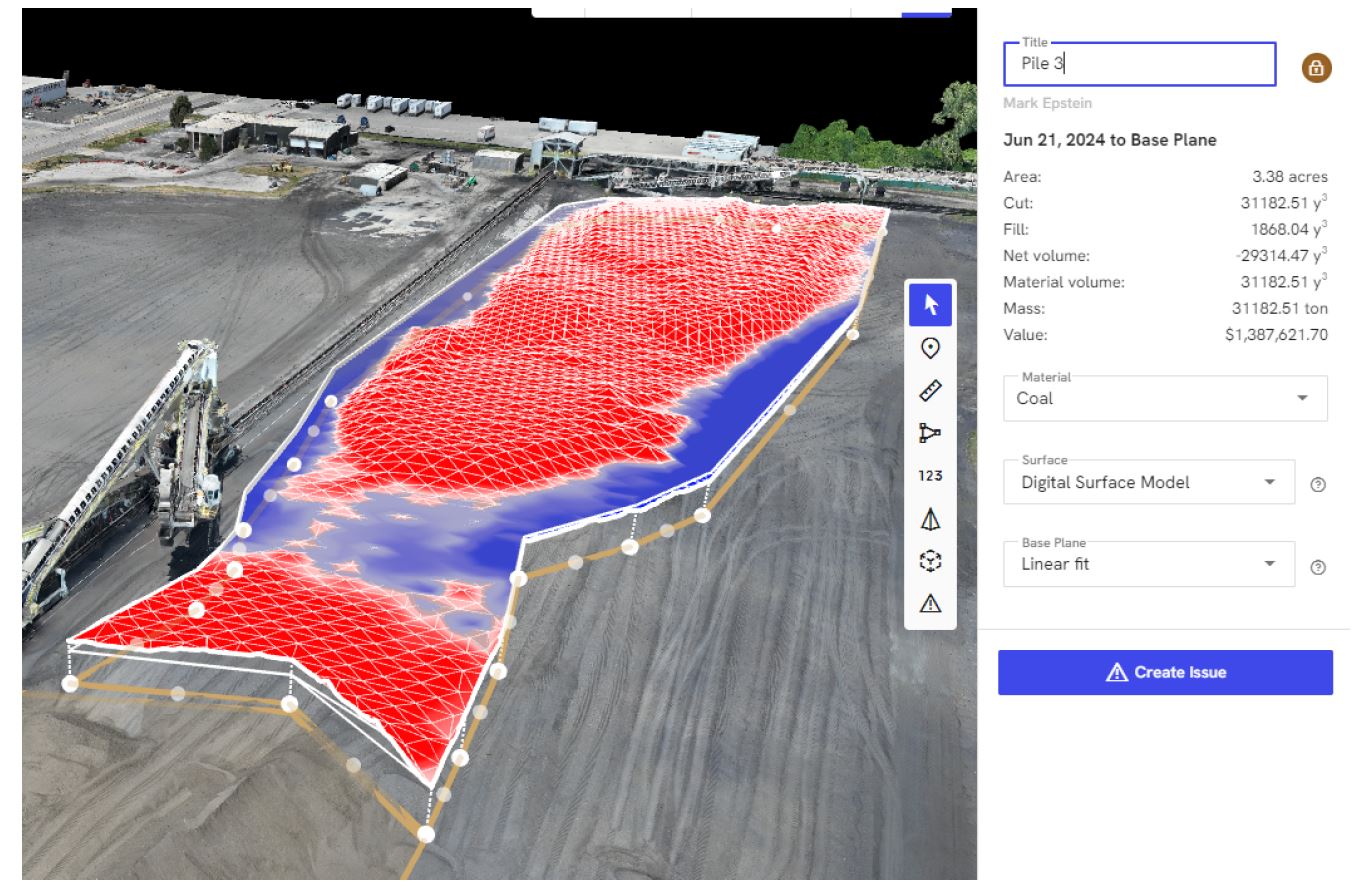
This distinction matters for decision makers. A marketing director may want dramatic aerial views. A facilities team may want measurable roof geometry. A civil engineer may need terrain models. A developer may need better site intelligence before design, grading, drainage, or access planning moves forward. A quarry or industrial operator may want volumetric understanding rather than just visual documentation.

In other words, photogrammetry shows you a site. LiDAR helps quantify it.

Why organizations hire LiDAR drone services

The strongest reason to commission LiDAR is not novelty. It is efficiency.

When a site is large, difficult to access, hazardous, uneven, vegetated, or operationally sensitive, collecting data from the air can reduce field time while improving coverage. The value is often not just in flying the mission, but in giving stakeholders a dataset they can reuse across departments and project phases.

Common use cases include:

  • topographic mapping
  • terrain and surface modeling
  • pre-construction site evaluation
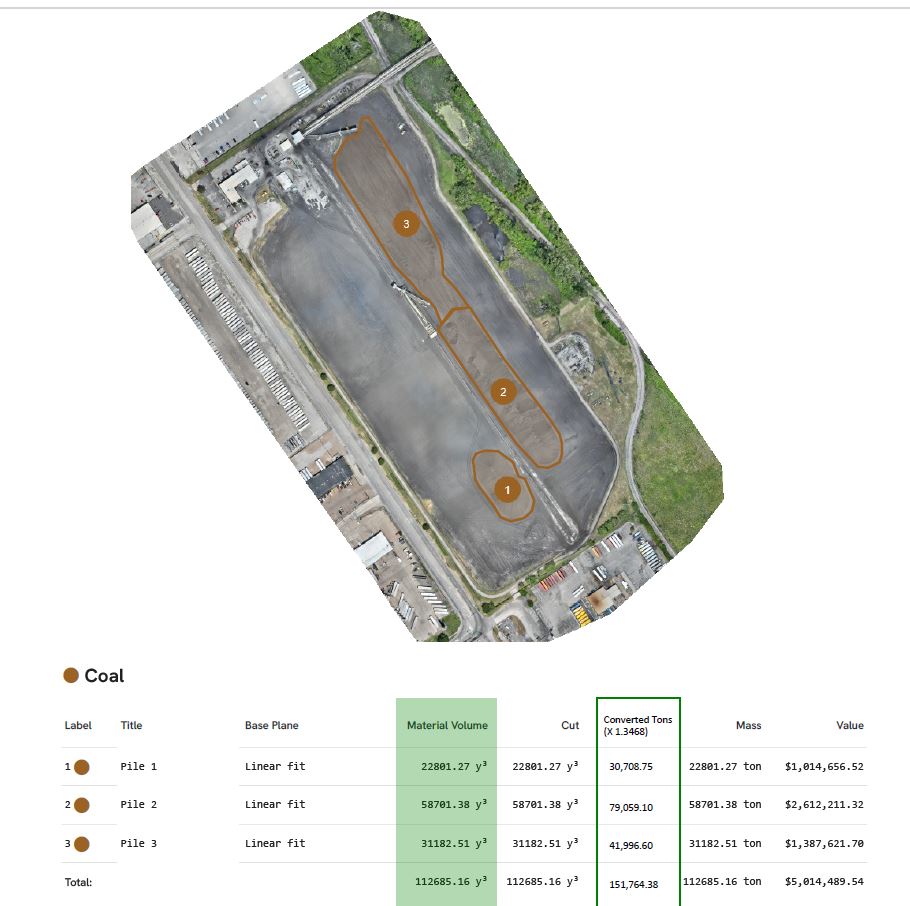
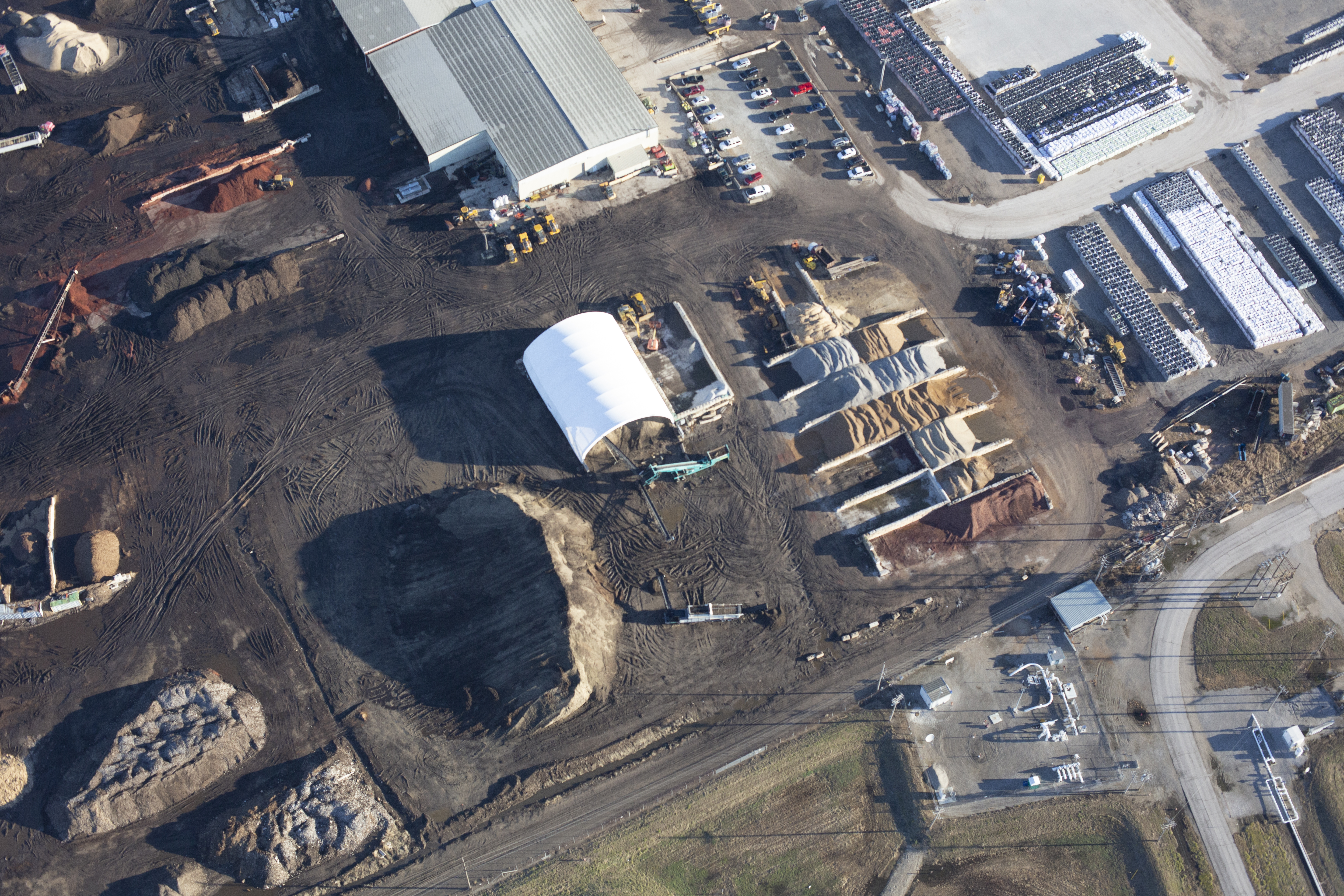
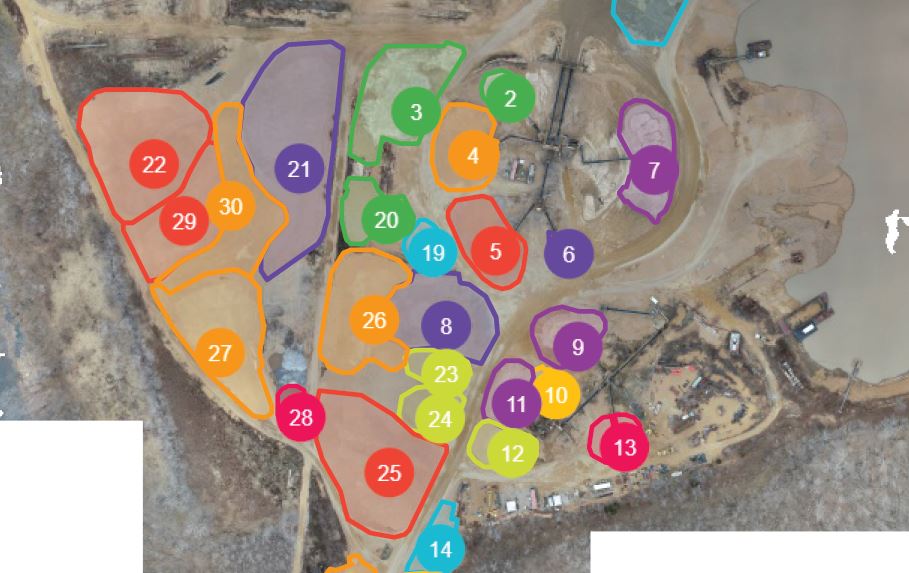
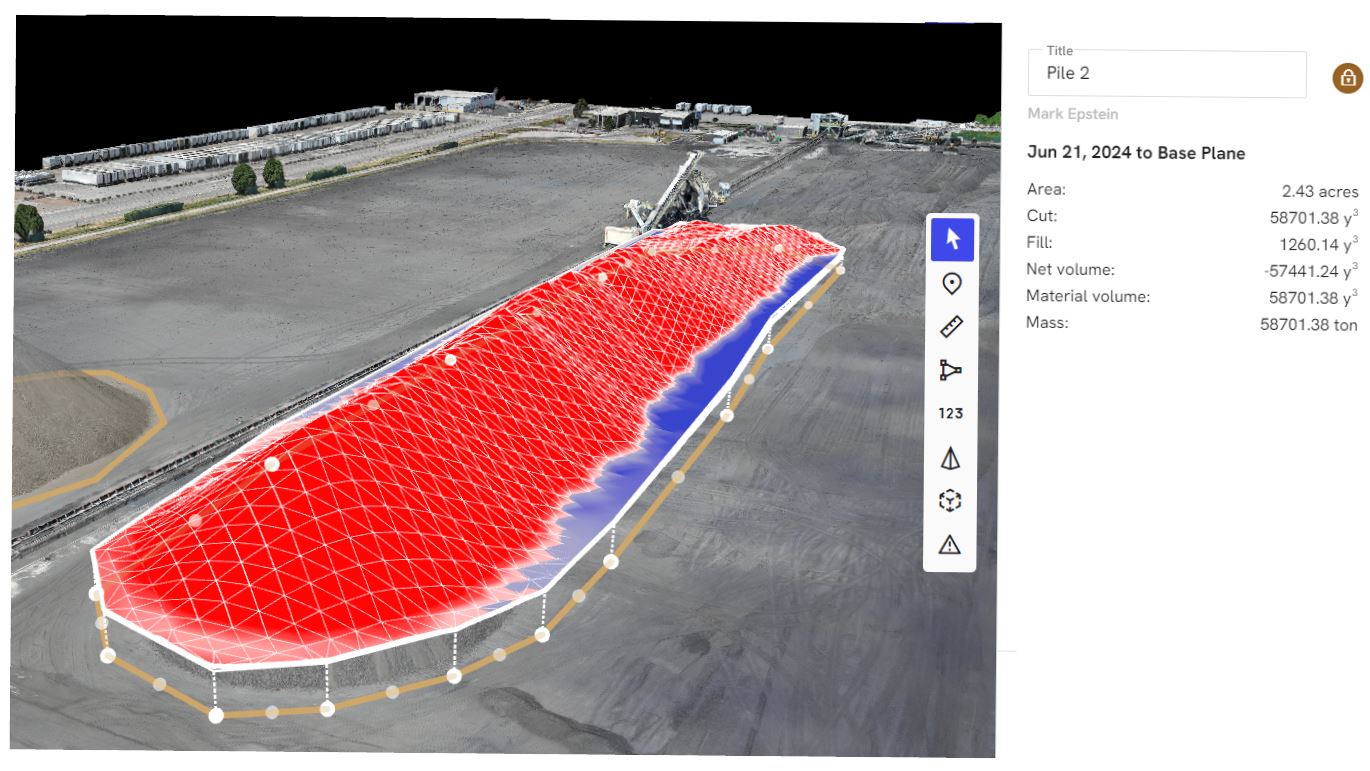
  • stockpile and volumetric analysis
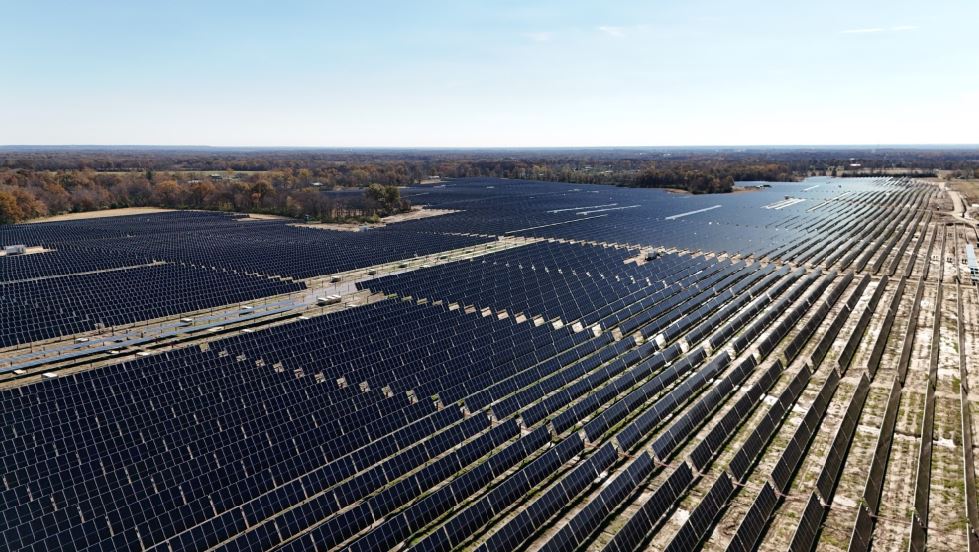
  • corridor and infrastructure documentation
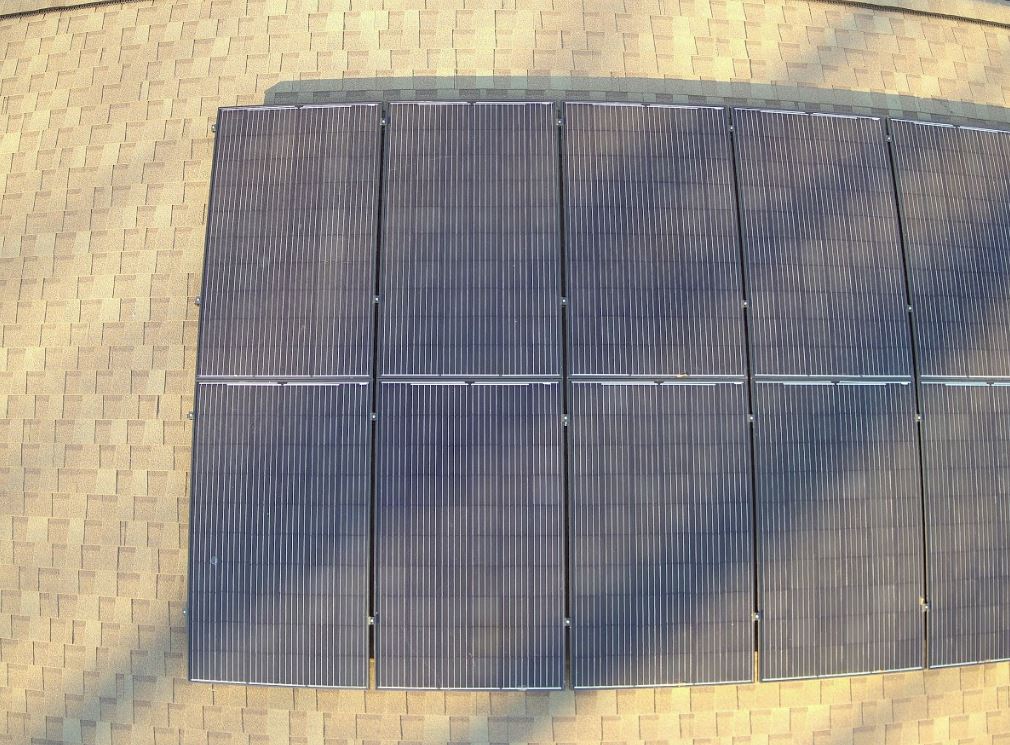
  • roof and facility measurement
  • stormwater and drainage review
  • land development planning
  • utility and industrial site documentation
  • large-campus and institutional asset mapping

For some of these projects, standard imagery may still be enough. For others, LiDAR becomes the better tool because the question is no longer “What does this look like?” but “What exactly is here, how does it vary in elevation, and how can we model it?”

LiDAR is especially useful when vegetation or surface complexity becomes a problem

One of the most important distinctions between LiDAR and simple imagery workflows is how the resulting data can be classified and processed. USGS notes that LiDAR data are initially captured as point clouds containing returns from structures, vegetation, and ground, and that bare-earth elevation products are produced by removing non-ground features. That makes LiDAR particularly valuable when the underlying terrain matters more than the visual clutter on top of it.
That has real implications in commercial and industrial environments. If your project involves embankments, detention areas, uneven ground, drainage paths, wooded edges, utility corridors, or a property with inconsistent grade, LiDAR can help reveal the surface in a way standard photography often cannot on its own.

For organizations making capital, engineering, maintenance, or land-use decisions, that can translate into fewer assumptions and better planning.

What decision makers should expect from a professional LiDAR workflow

LiDAR is not just about putting a sensor in the air. The quality of the result depends on planning, control, flight execution, processing, classification, accuracy strategy, and deliverable design.

A serious LiDAR workflow should begin with the business question. Are you trying to support engineering? Estimate material volume? Understand drainage? Document site conditions before construction? Create an archive for future design comparison? Build a long-term facilities dataset? The right workflow depends on the answer.

From there, a professional team typically evaluates:

  • site size and access
  • airspace and safety requirements
  • vegetation and obstruction density
  • target accuracy and project tolerances
  • need for ground control or checkpoints
  • coordinate system and datum requirements
  • output format requirements for downstream software
  • whether imagery should be captured alongside LiDAR

Accuracy is not a casual topic in mapping. ASPRS maintains positional accuracy standards for digital geospatial data specifically because mapping deliverables need to be tied to defined accuracy expectations and best practices rather than assumptions.

That is why experienced providers do more than collect data. They define the deliverable, the intended use, and the level of confidence the project requires.

Deliverables matter as much as the flight

Many buyers focus on the drone and sensor. Experienced clients focus on the output.

LiDAR projects can produce a range of deliverables, including classified point clouds, terrain models, elevation surfaces, contour files, orthographic context imagery, section cuts, measurement-based visuals, and integration-ready files for CAD, GIS, engineering, or facilities platforms. USGS references common products such as point clouds and bare-earth digital elevation models as foundational outputs from LiDAR collection.

That means the real question is not, “Can you fly LiDAR?” It is, “Can you deliver data our team can actually use?”

For marketing and communications teams, that may mean clear visuals that translate technical data into understandable presentations for internal stakeholders, investors, boards, or clients. For engineers and project managers, it may mean receiving mapping products in the right format, coordinate system, and structure for immediate use.

The best LiDAR providers understand both audiences.

LiDAR is not a replacement for commercial photography and video

This is where many conversations go wrong. Organizations sometimes assume LiDAR replaces imagery. It does not. It complements it.

A smart production strategy often combines technical capture with visual storytelling. You may need LiDAR for terrain intelligence, aerial photography for reports, ground photography for asset condition, and video for internal communications, investor relations, proposals, recruiting, or public outreach.

That combination is often where the greatest value appears. A single field deployment can support engineering, operations, marketing, training, and executive communication at the same time.

For businesses and organizations in St. Louis, that matters. Budgets are tighter when departments operate in silos. They go farther when one production strategy creates multiple usable assets.

Compliance, safety, and operational discipline are not optional

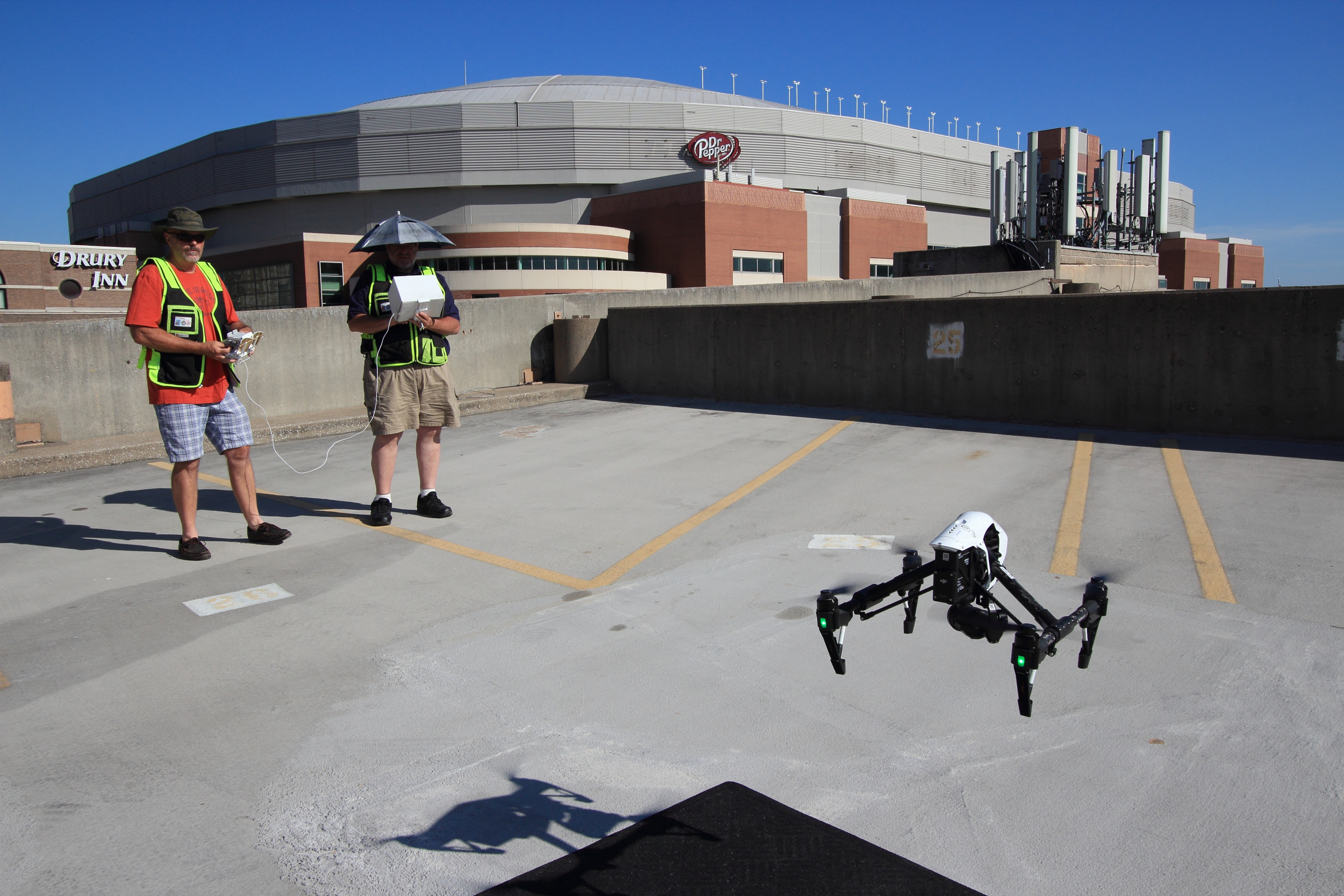
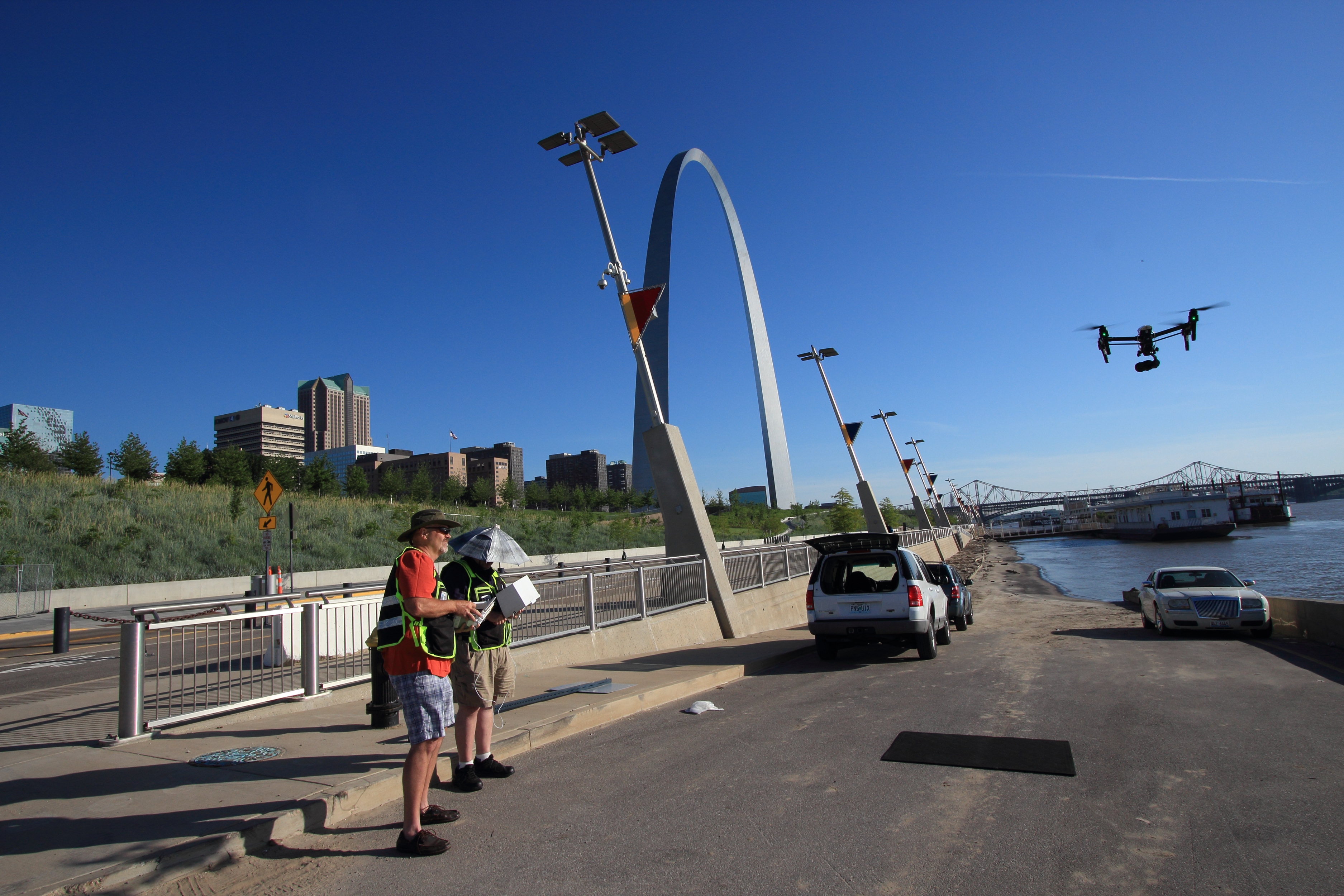
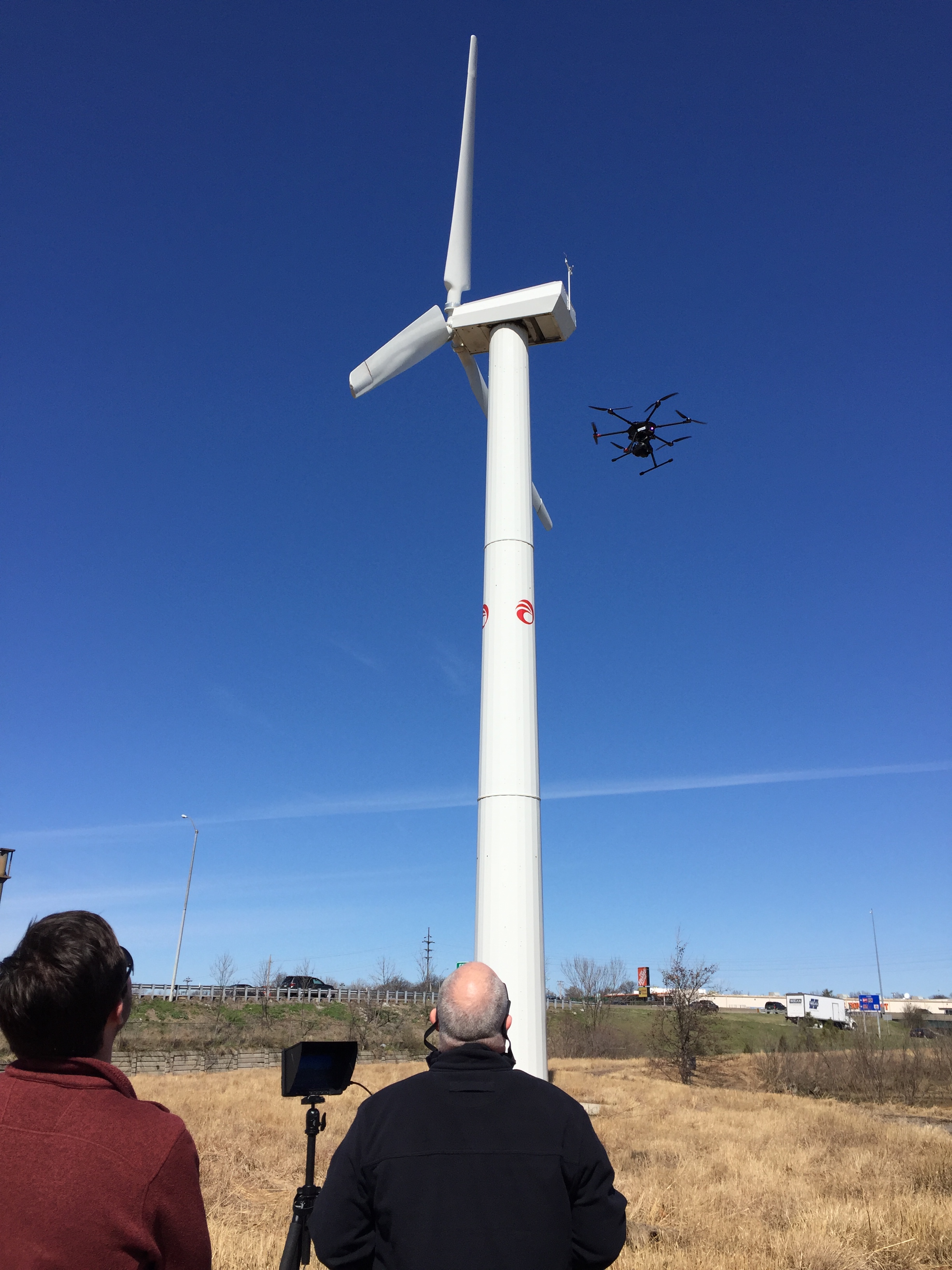
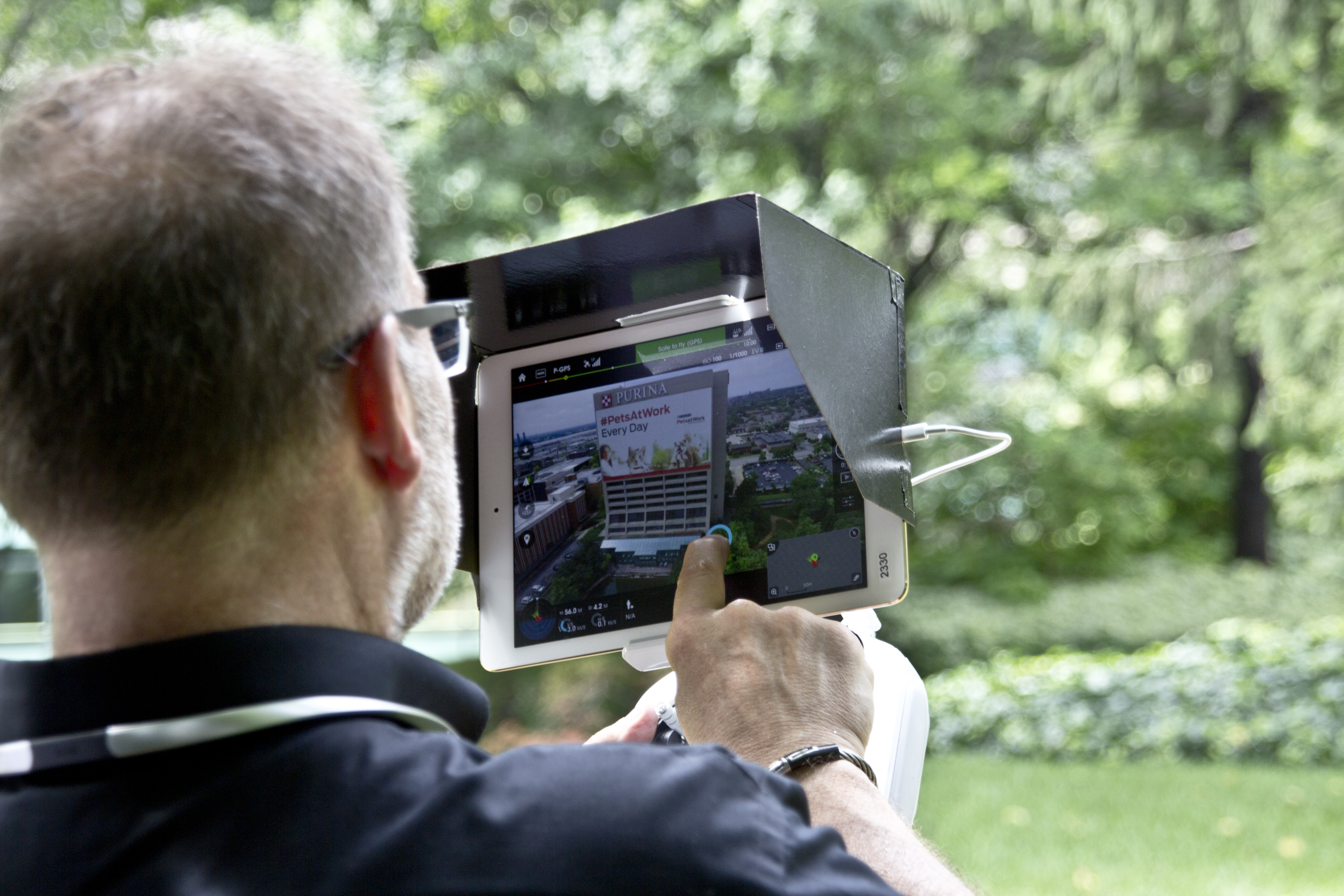
Commercial drone operations in the United States fall under FAA requirements for certificated remote pilots and Part 107 operating rules for small unmanned aircraft. The FAA’s commercial operator guidance notes that certificated remote pilots may conduct commercial small-UAS operations subject to those rules and any applicable airspace requirements.

For clients, the takeaway is straightforward: the right drone partner should already be thinking about safety, airspace, site restrictions, crew roles, and mission planning before the aircraft is ever launched.
That is particularly important in active commercial settings where flights may occur around buildings, parking lots, industrial yards, campuses, rooftops, or operational facilities. Technical capability matters, but operational judgment matters just as much.
Questions smart clients ask before hiring LiDAR drone services

Experienced buyers usually ask better questions than “What drone do you use?”

Better questions include:

  • What problem are we solving with LiDAR?
  • What level of accuracy is realistic for this site and deliverable?
  • What files will we receive?
  • Can the outputs work with our internal software or consultant workflow?
  • Will we also receive visual assets for presentations or communications?
  • How will the site be planned for safety and compliance?
  • What parts of the process are handled in-house versus outsourced?
  • Can the same production team also support photography, video, interviews, and branded content?

That last question is often overlooked. If your organization already needs visual media, site documentation, executive interviews, training footage, or marketing assets, there is a major advantage in working with a team that understands both technical capture and polished media production.

The strategic case for LiDAR in St. Louis

In practice, LiDAR drone services make the most sense when the cost of uncertainty is higher than the cost of capture.

If a site condition is difficult to interpret, if access is inefficient, if the terrain needs to be modeled, or if the property will be revisited repeatedly over time, LiDAR can provide a stronger informational foundation than standard imagery alone.

It is also useful when internal stakeholders need a common reference point. Operations, facilities, engineering, marketing, leadership, and outside consultants often evaluate the same property from different perspectives. A well-executed LiDAR project can create a shared dataset that supports all of them.

That makes LiDAR more than a drone service. It becomes a decision-support tool.

Why experience matters

LiDAR projects are rarely just about the flight. They are about understanding the client’s objective, choosing the right capture method, managing the site professionally, and delivering outputs that are technically useful and visually understandable.

That requires more than a pilot. It requires a production-minded team that understands location work, technical imaging, data handling, file delivery, client communication, and how to convert specialized capture into practical business value.

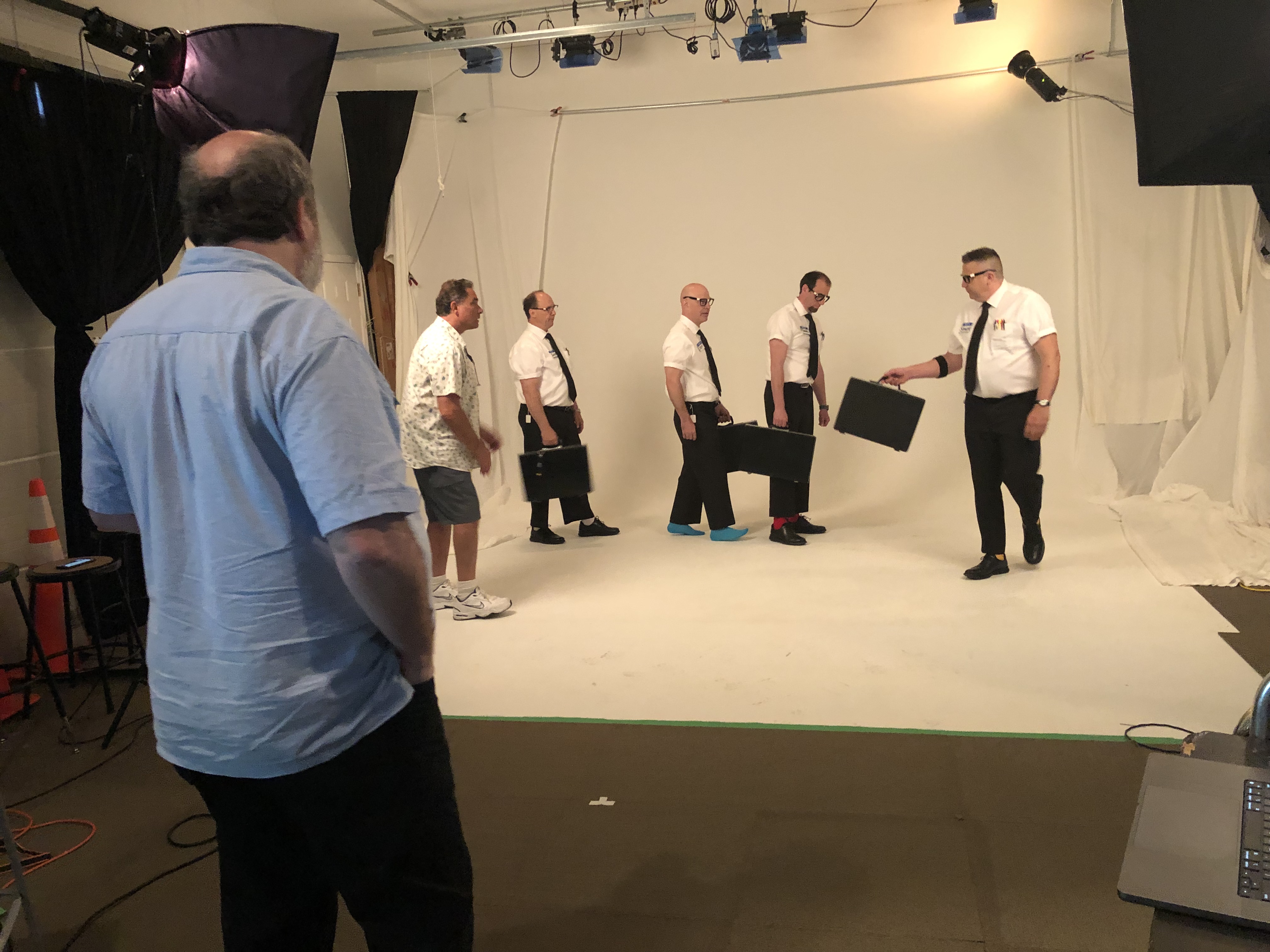
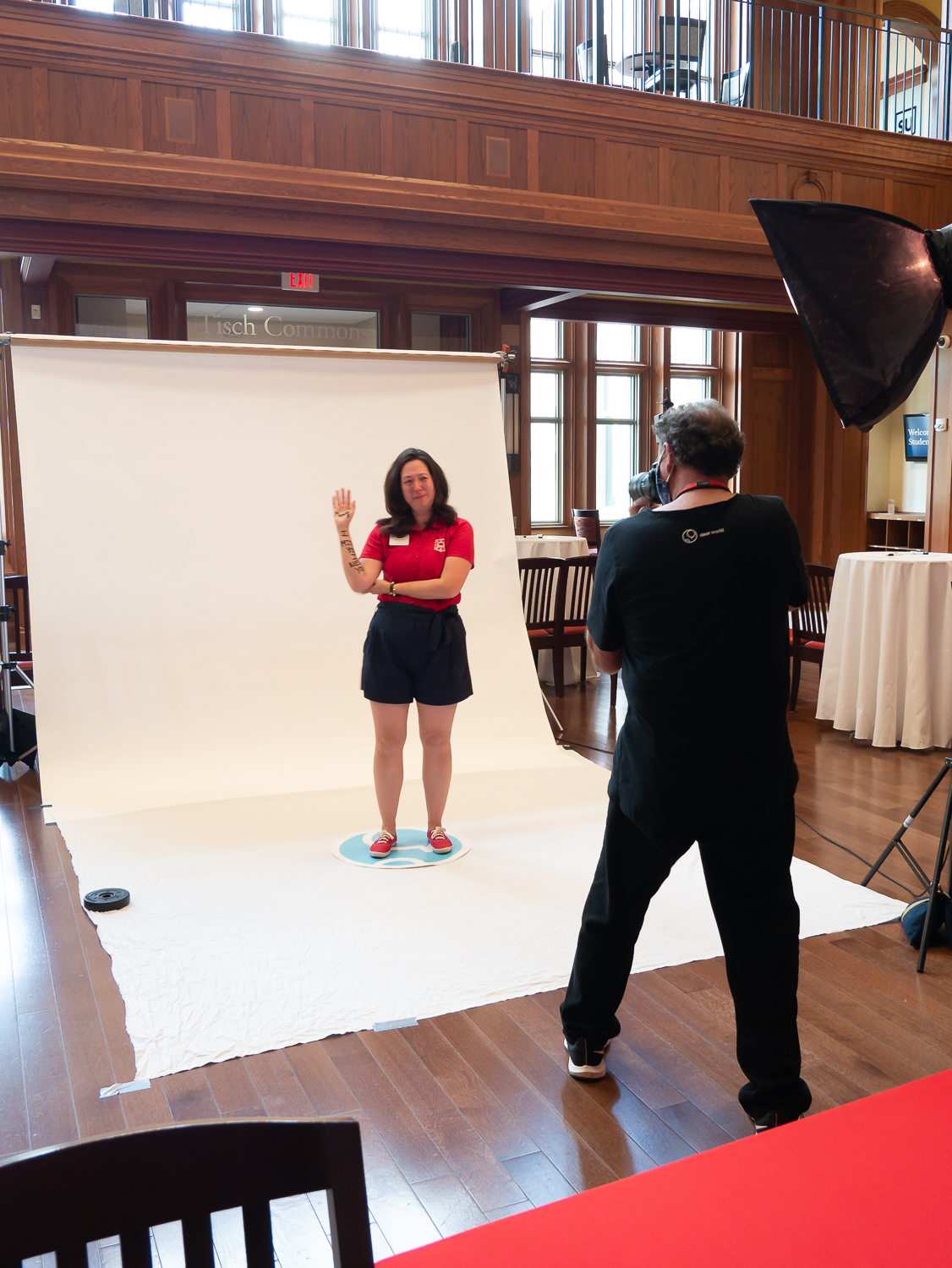
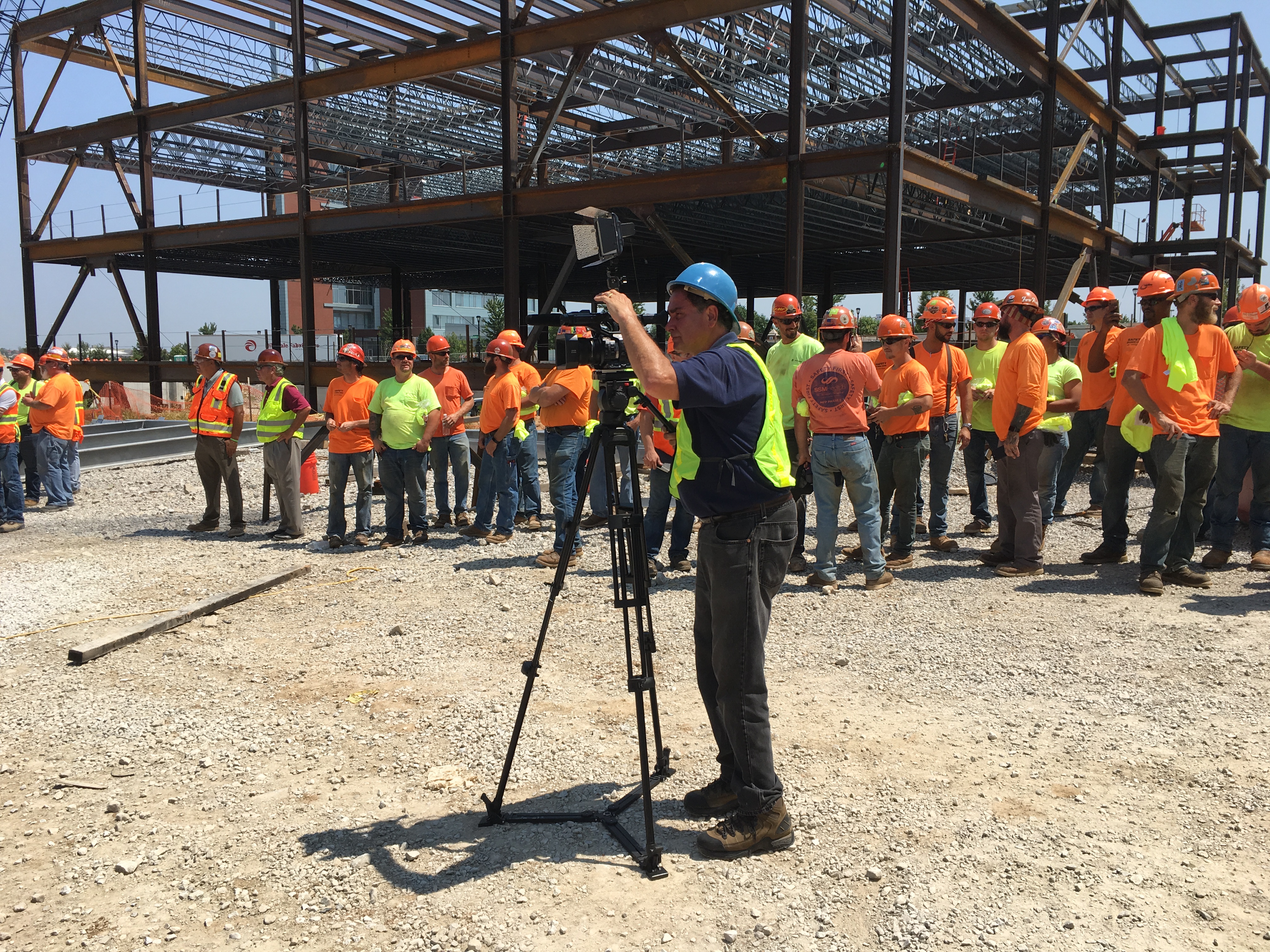
At St Louis Commercial Photographers, we bring that broader perspective to every assignment. We are a full-service professional commercial photography and video production company with the right equipment and creative crew service experience for successful image acquisition. We offer full-service studio and location video and photography, as well as editing, post-production and licensed drone services. St Louis Commercial Photographers can customize your productions for diverse types of media requirements. Repurposing your photography and video branding to gain more traction is another specialty.

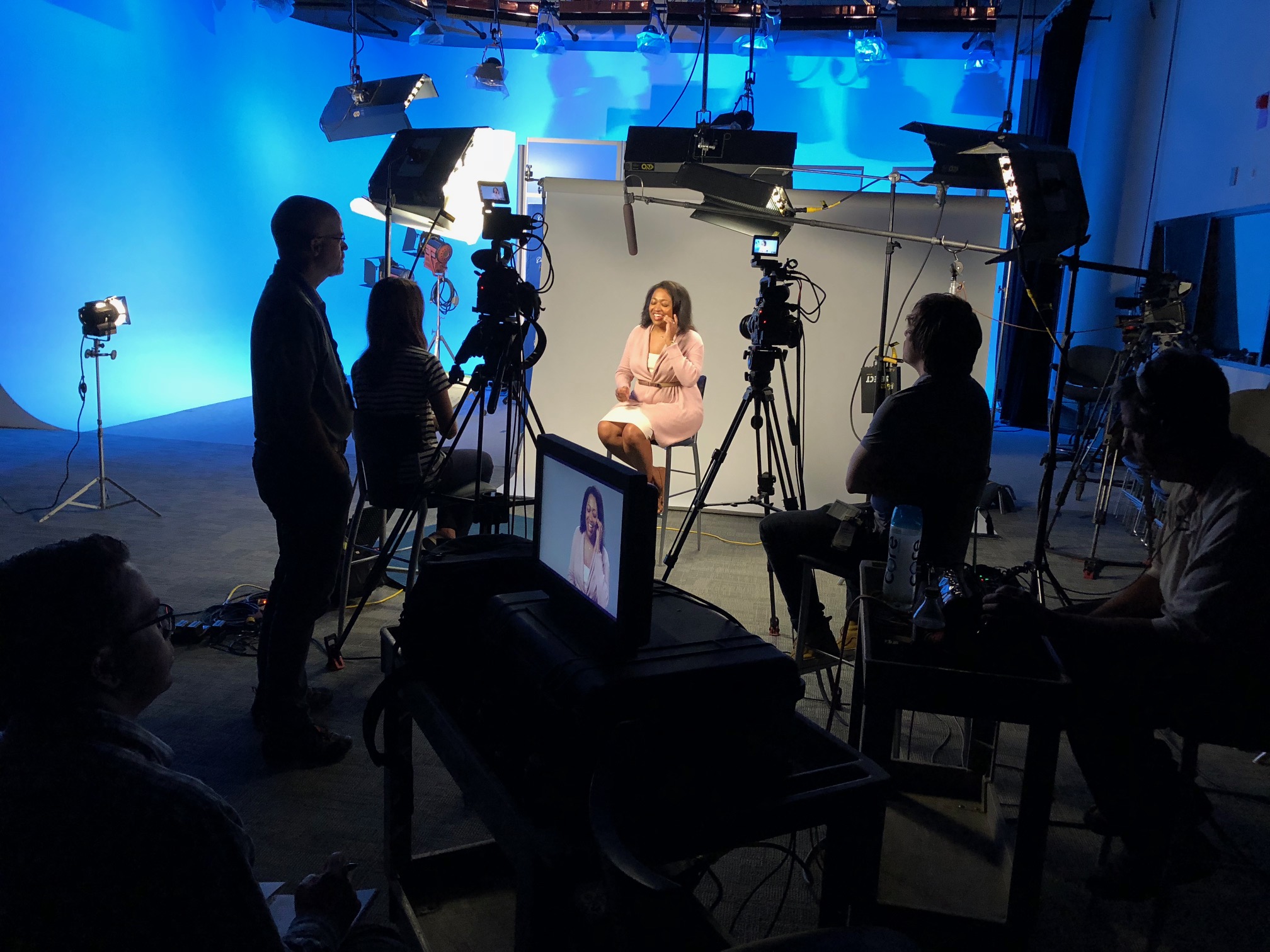
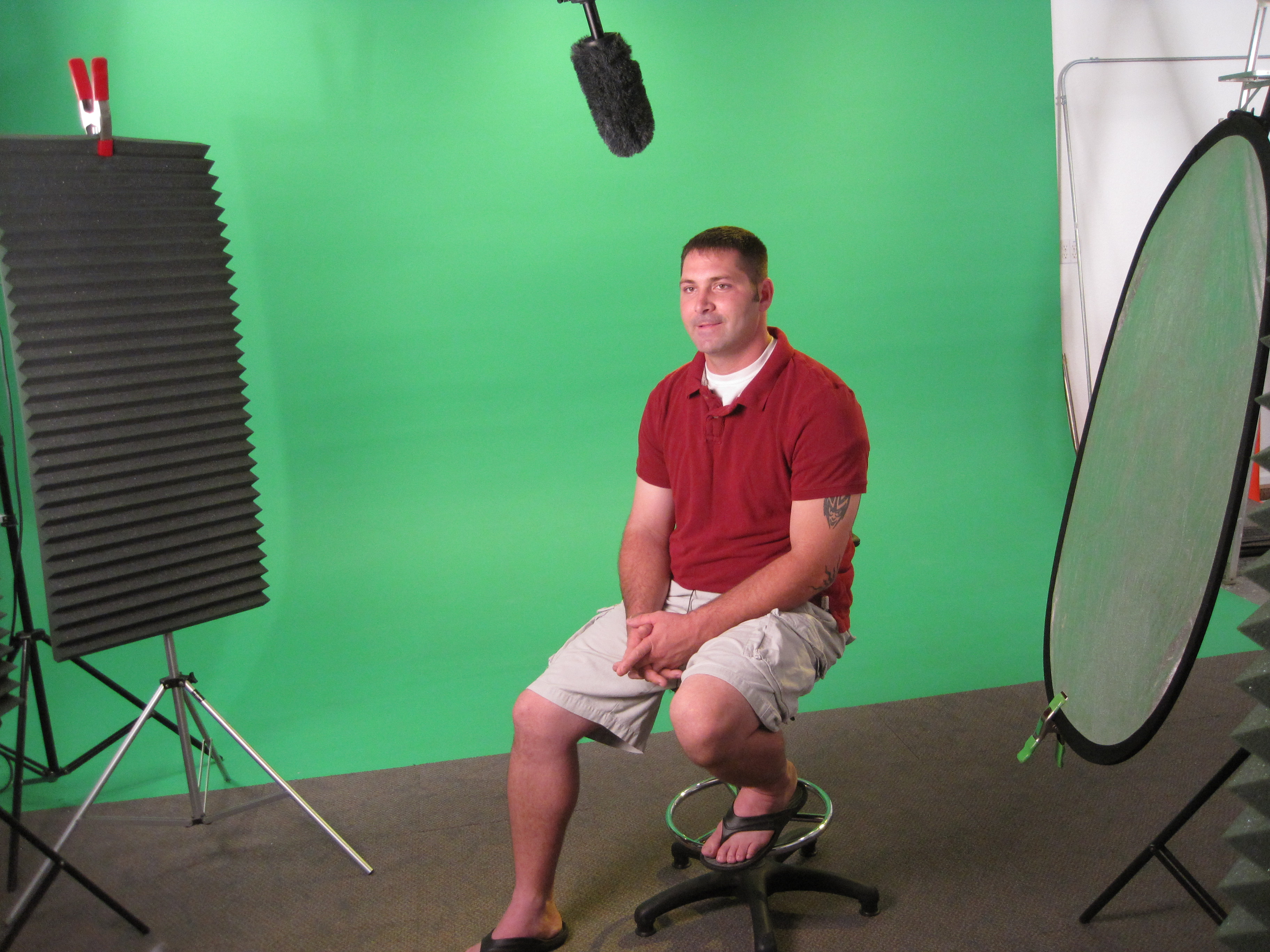
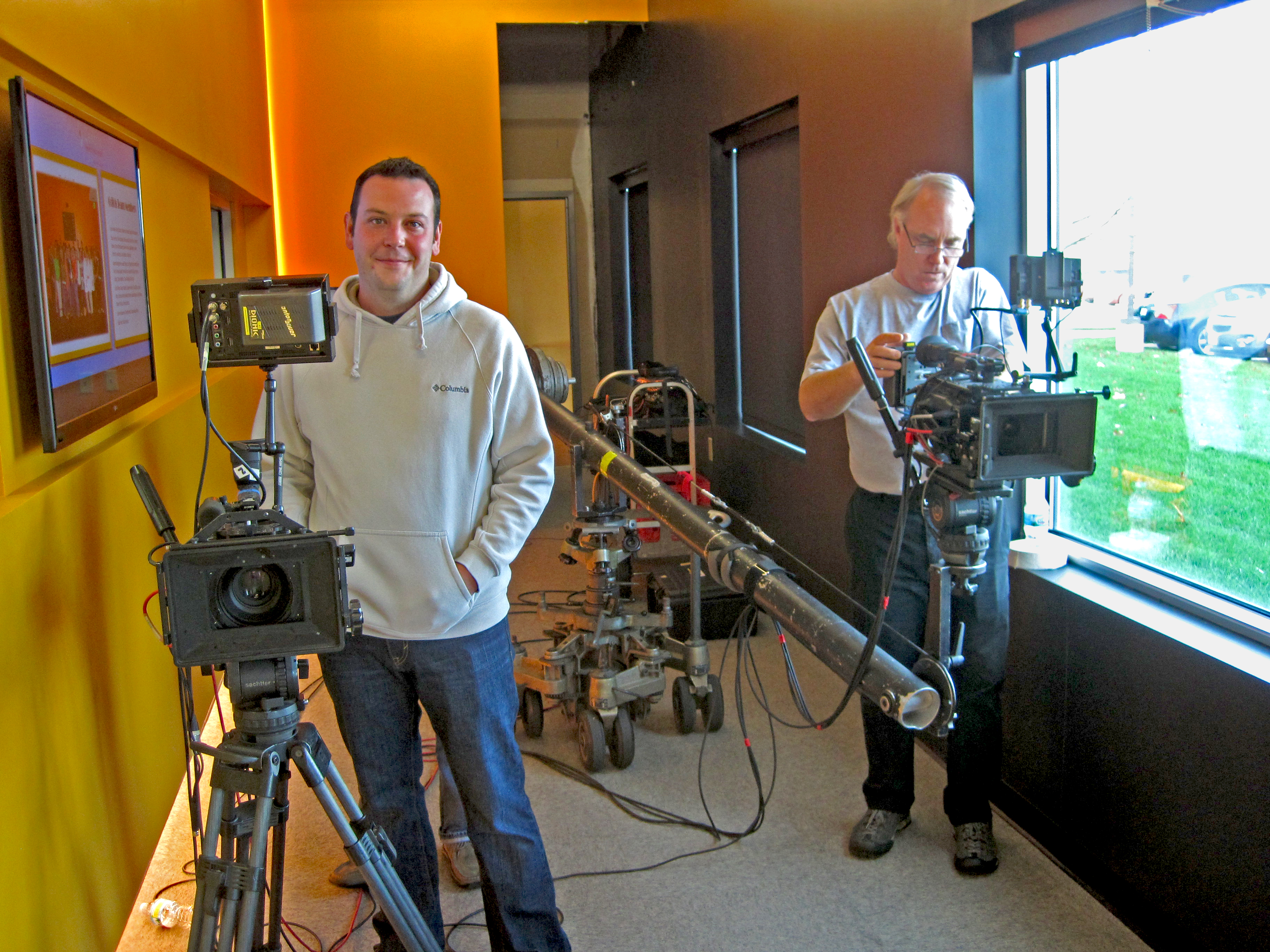
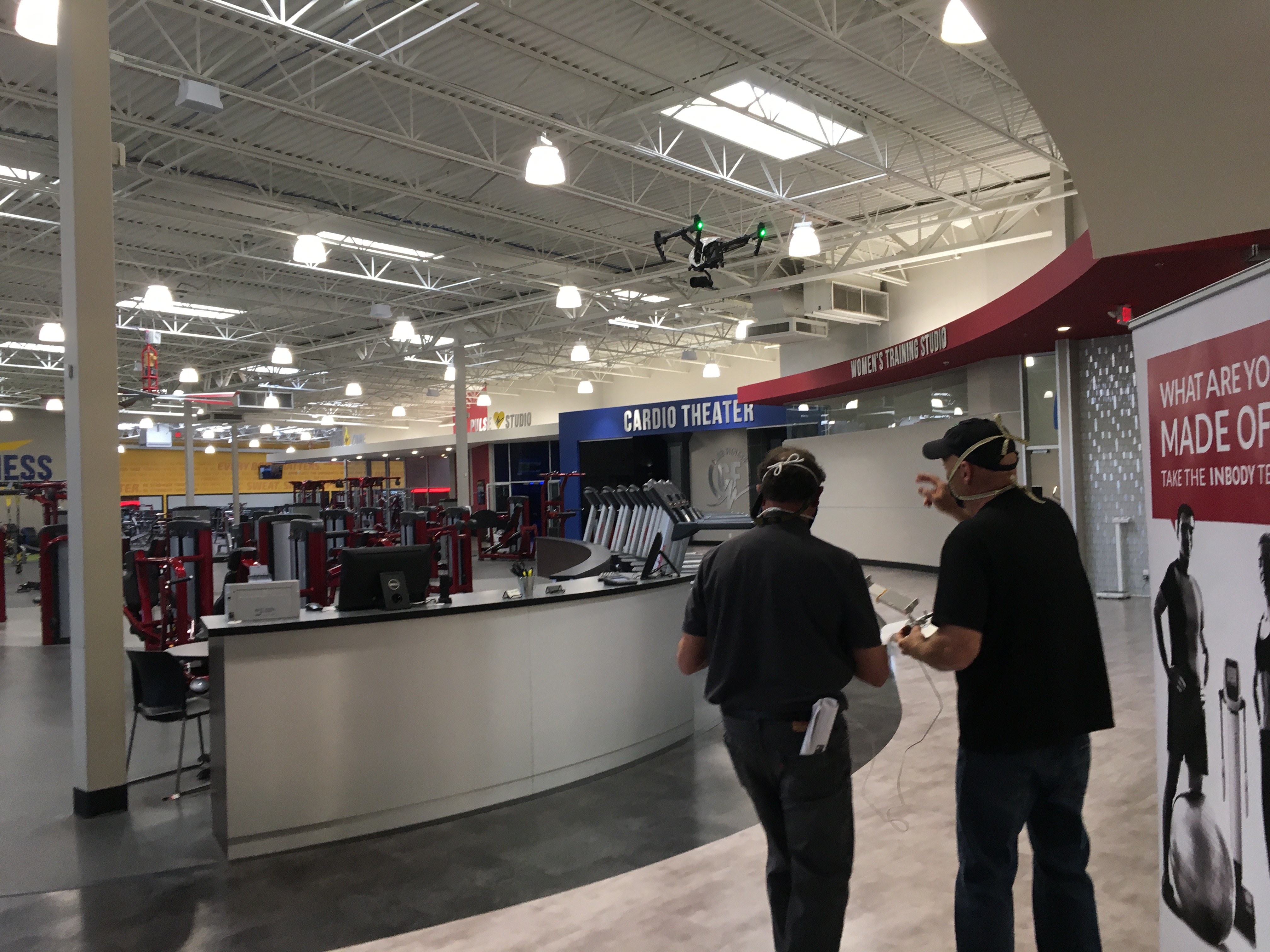
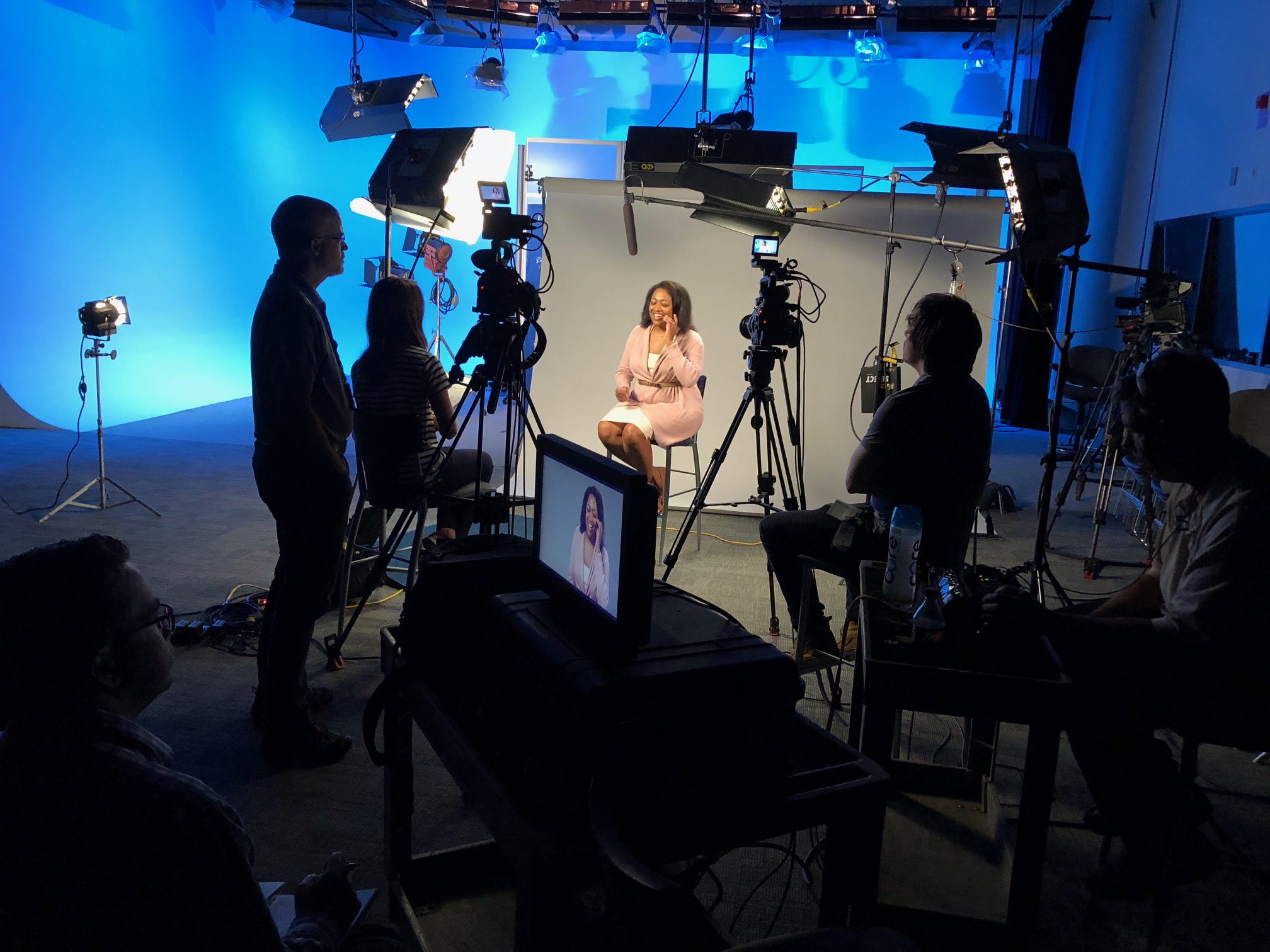
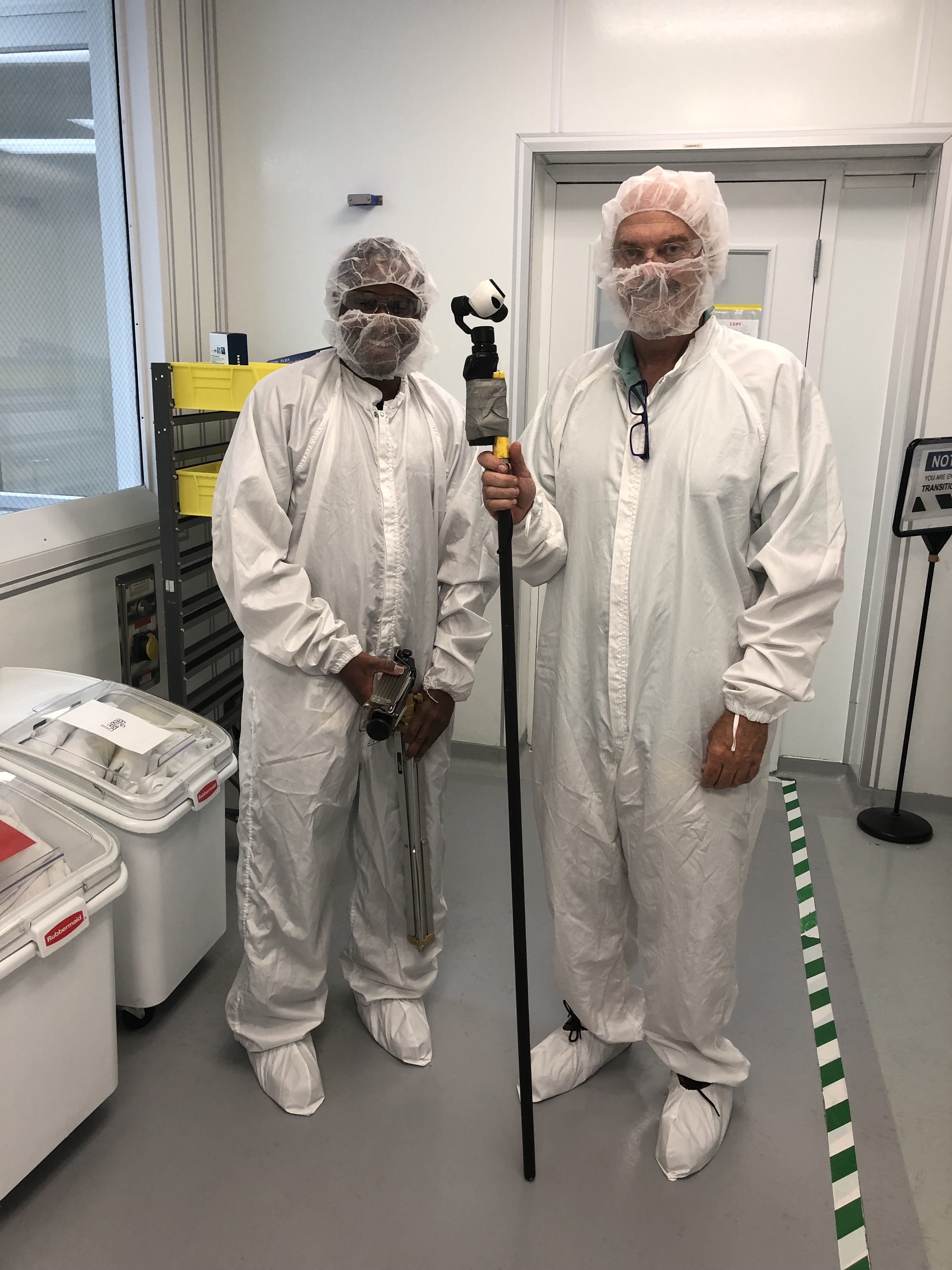
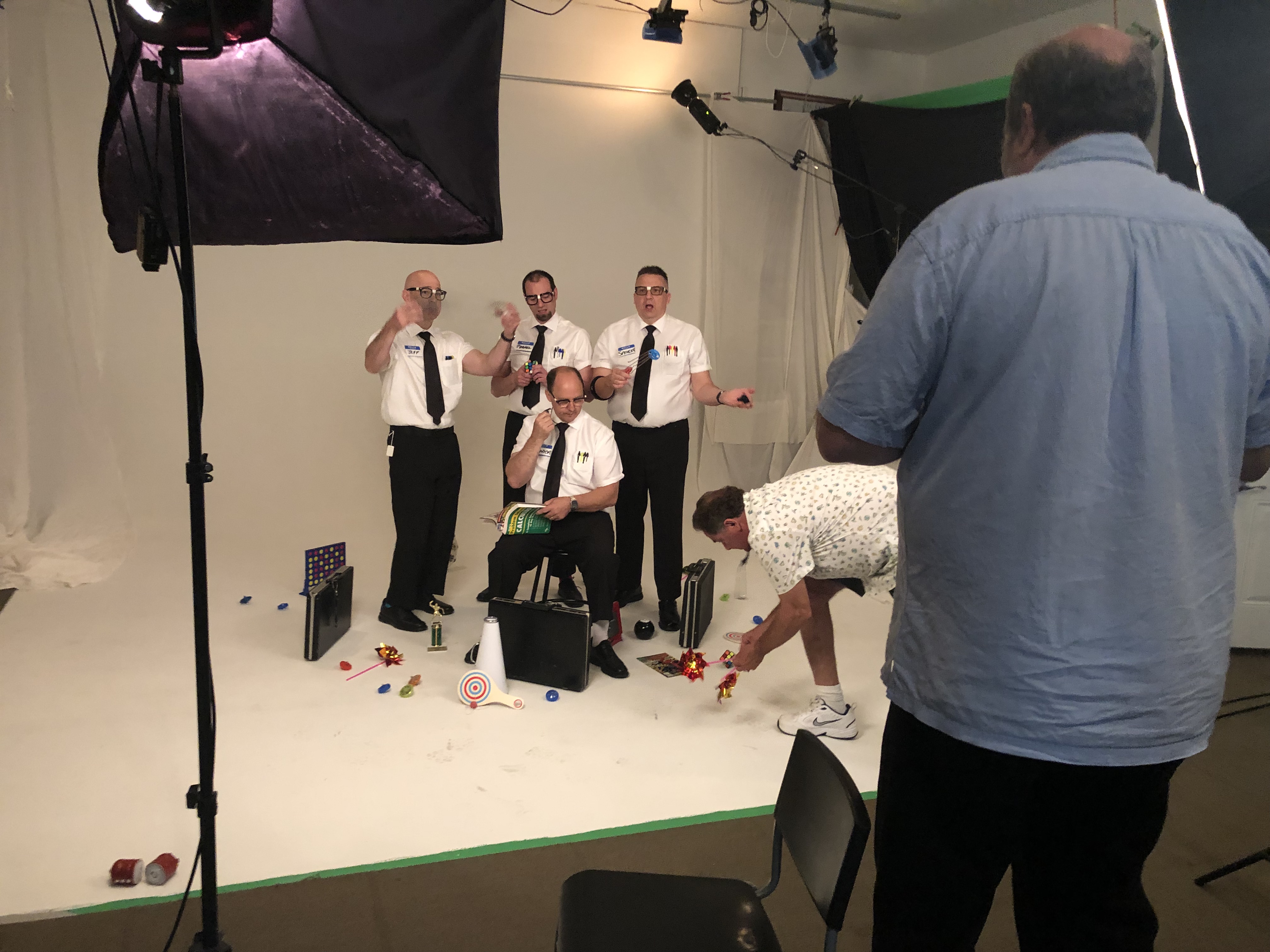
We are well-versed in all file types and styles of media and accompanying software. We use the latest in Artificial Intelligence for all our media services. Our private studio lighting and visual setup is perfect for small productions and interview scenes, and our studio is large enough to incorporate props to round out your set. We support every aspect of your production—from setting up a private, custom interview studio to supplying professional sound and camera operators, as well as providing the right equipment—ensuring your next video production is seamless and successful. We can fly our specialized drones indoors.

As a full-service video and photography production corporation, since 1982, St Louis Commercial Photographers has worked with many businesses, marketing firms, and creative agencies in the St. Louis area for their marketing photography and video. When your project calls for both technical aerial capability and polished visual production, we bring the experience, equipment, and creative judgment to help you capture the right data and turn it into useful deliverables.

314-913-5626

stlouiscommercialphotographers@gmail.com

Cost-Efficient Advertising Photographers in St. Louis: How to Get Better Creative Without Blowing the Budget

If you’re a marketing director, brand manager, or agency lead, you already know the trap: advertising photography can get expensive fast—and cheap photography can get expensive later (reshoots, mismatched branding, missed deadlines, unusable files, licensing surprises).

Cost-efficient advertising photography isn’t about “cutting corners.” It’s about building a repeatable process that delivers high-performing images and video with fewer shoot days, fewer revisions, and more usable final assets across campaigns.

This article lays out the exact levers that control cost, quality, and speed—so you can buy smarter, plan cleaner, and get more creative per dollar.


What “cost-efficient” really means in advertising photography

When we say “cost-efficient,” we mean:

  • High output per shoot hour (more usable final assets per day)
  • Lower total cost of ownership (fewer reshoots, fewer emergency edits, fewer format failures)
  • Better brand consistency (visual continuity across web, social, print, OOH, and internal comms)
  • Faster time-to-market (because your team isn’t stuck in approval and revision loops)

A cost-efficient production produces assets that perform, scale, and last—not just images that look “fine” in the moment.


The real budget drivers (and how to control them)

Most advertising shoots inflate for predictable reasons. Here’s what typically moves your budget—and how experienced production solves it.

1) Undefined deliverables = waste

When stakeholders say “we need content,” you get scope creep: extra setups, extra edits, extra versions.

Fix: Lock a deliverables map before the shoot:

  • of final selects per concept
  • aspect ratios (1:1, 4:5, 16:9, 9:16)
  • usage (web hero, email banners, paid social, print)
  • file formats (web-optimized, print-ready, layered files if needed)

A tight deliverables map reduces both shoot time and post-production time.

2) Too many concepts, not enough shot planning

Teams often try to capture “everything” in one day with no shot priority.

Fix: Build a tiered shot list:

  • Tier 1: Must-have hero shots (campaign-critical)
  • Tier 2: Supporting shots (product/service variety, alternate angles)
  • Tier 3: Nice-to-haves (culture, candid, seasonal, internal)

Tiering prevents the day from collapsing when time gets tight.

3) Location and logistics are silent budget killers

Parking, permits, security, access times, elevator rules, noise control, talent timing—these aren’t “creative,” but they decide whether you wrap on time.

Fix: Treat logistics like production:

  • Confirm access, staging, power, and load-in
  • Pre-block interview or portrait positions
  • Identify sound issues early (HVAC, machinery, public traffic)
  • Plan wardrobe/props staging so setups turn quickly

The highest ROI lever: repurposing (one shoot, many deliverables)

The most cost-efficient advertising shoots are designed for multi-channel reuse from the start.

A single well-planned production day can generate:

  • Website hero photography + supporting service imagery
  • Social media library (vertical + square crops that still look intentional)
  • Behind-the-scenes content for credibility and recruitment
  • Short-form video loops for ads
  • Brand storytelling stills for presentations and proposals
  • Consistent headshots or team portraits for leadership pages and PR

Key mindset: Don’t buy “photos.” Buy a content system.


How to scale crew and gear without overspending

Not every shoot needs a large crew. But under-crewing can be more expensive when it causes slowdowns or quality problems.

A practical approach is to right-size production based on risk:

  • Low risk / simple: one photographer + efficient lighting approach
  • Moderate complexity: photographer + assistant/digital tech for speed and consistency
  • High complexity: add producer, stylist, HMU, audio, second camera, etc.

Right-sizing avoids paying for unnecessary roles and avoids expensive delays caused by trying to do too much with too few hands.


Studio vs. location: choose based on control, not convenience

A studio can be the most cost-efficient option when you need:

  • repeatable lighting across many subjects/products
  • controlled sound for interviews
  • quick set resets
  • consistent color and backgrounds

Location is ideal when you need:

  • authenticity (real workplace, real environment)
  • scale (industrial, architectural, multi-area storytelling)
  • operational context that sells the service/product

Cost efficiency comes from choosing the environment that minimizes variables and maximizes usable shots.


Post-production: where budgets quietly double (unless you plan for it)

Advertising photography often becomes expensive in post because the creative direction wasn’t fully aligned in pre-production.

Best practices that reduce post costs:

  • approve a lighting and retouching “look” early (1–3 reference images)
  • confirm brand color targets (especially if product color accuracy matters)
  • decide in advance what gets composited vs. what stays practical
  • standardize exports and naming conventions so assets flow into marketing ops smoothly

When post is planned, you get consistent results without endless tweak cycles.


Licensing: avoid the “surprise cost” that catches teams off guard

Advertising usage often triggers licensing questions—especially when stock imagery, music, talent, or certain agreements are involved.

A professional production should help you clarify:

  • intended usage (organic vs paid, local vs national, duration)
  • talent releases and property releases as needed
  • what’s included in your buy (raw, selects, retouched finals, project files)
  • how your team can reuse assets across channels without hidden restrictions

Clarity here protects your budget and your campaign timeline.


AI in modern production: where it saves money (and where it doesn’t)

Used correctly, AI can reduce cost and increase speed—without reducing quality. Common high-value uses:

  • faster culling and organization
  • intelligent search and tagging for large libraries
  • cleanups and workflow automation (where appropriate)
  • versioning for formats (social crops, safe-area checks, variations)
  • assistive previsualization (mood boards, layout tests, creative direction alignment)

But AI is not a substitute for:

  • controlled lighting
  • authentic brand storytelling
  • accurate product representation
  • good audio and clean capture
  • experienced on-set decision-making

The most cost-efficient approach blends strong capture with modern AI-assisted workflow.


A practical checklist for decision makers hiring cost-efficient advertising photographers

Before you book, confirm your team can answer:

  • What are the top 5 campaign deliverables we must leave with?
  • What channels are we producing for (web, print, paid, social, internal)?
  • What must be consistent with brand (lighting style, colors, backgrounds)?
  • Who approves on the client side, and when?
  • What does “done” mean: number of finals, retouch level, export formats, deadlines?

If your provider helps you answer these quickly—and documents them—you’re already on the path to cost efficiency.


Why St Louis Commercial Photographers is built for cost-efficient advertising production

St Louis Commercial Photographers serves St. Louis businesses, marketing firms, and creative agencies with a production approach designed to deliver more usable assets per shoot day—without sacrificing quality or brand consistency.

We’re a full-service professional commercial photography and video production company with the right equipment and creative crew service experience for successful image acquisition. We offer full-service studio and location video and photography, as well as editing, post-production, and licensed drone services. St Louis Commercial Photographers can customize productions for diverse media requirements, and repurposing your photography and video branding to gain more traction is one of our specialties.

We’re well-versed in all file types, media styles, and the accompanying software ecosystems your team depends on—and we use the latest Artificial Intelligence tools to speed workflow, maintain consistency, and increase output. Our private studio lighting and visual setup is perfect for small productions and interview scenes, and our studio is large enough to incorporate props to round out your set. We support every aspect of your production—from setting up a private, custom interview studio to supplying professional sound and camera operators, as well as providing the right equipment—ensuring your next production is seamless and successful. We can even fly our specialized drones indoors.

As a full-service video and photography production corporation since 1982, St Louis Commercial Photographers has worked with many businesses, marketing firms, and creative agencies in the St. Louis area to produce cost-efficient advertising photography and video that’s designed to perform—and designed to scale.

314-913-5626

stlouiscommercialphotographers@gmail.com

Navigating Modern Business Photography Styles Without Breaking the Bank

In the current hyper-saturated digital landscape, your company’s visual identity isn’t just a supporting player—it’s the lead actor. As decision-makers in marketing and operations, you know that mediocre imagery is worse than having none at all. It signals stagnation and a lack of attention to detail.

Yet, a common friction point exists: the need for cutting-edge, dynamic visual content versus budgetary constraints. This often leads to the search for “affordable” solutions.

As experienced producers at St. Louis Commercial Photographers, we need to reframe what “affordable” means in professional B2B imaging. True affordability isn’t about finding the lowest hourly rate; it’s about securing the highest return on investment (ROI). It’s about partnering with professionals who understand the latest business styles and possess the technical capacity to execute them efficiently, creating assets that work harder and last longer for your brand.

Here is an expert perspective on why hiring seasoned professionals who grasp modern trends is the most cost-effective strategy for your business.

The Death of the “Stock Look” and the Rise of Authenticity

The biggest shift in modern business photography is the move away from the generic. The era of perfectly manifold, unnaturally smiling models shaking hands in a sterile boardroom is over. Today’s audiences—both B2B and B2C—crave authenticity. They can spot a stock photo a mile away, and they tune it out instantly.

Modern business style is about narrative. It’s about showing real employees in their actual environments, the grit and texture of your production floor, or the genuine interaction between your leadership team. Achieving this “effortless” authentic look actually requires significant skill in lighting, composition, and directing talent. An inexperienced photographer trying to capture “authenticity” often just produces sloppy snapshots. A pro knows how to craft an image that feels spontaneous but is strategically aligned with your brand message.

Leveraging Technology: AI and Advanced Workflows

When we talk about “affordable pros,” we are often talking about efficiency born of expertise. The latest advancements in visual technology, particularly Artificial Intelligence (AI), have revolutionized our workflows.

We aren’t talking about AI generating fake images for your brand. We are talking about using sophisticated AI tools in post-production for complex tasks like advanced retouching, rapid culling of thousands of images, intelligent upscaling, or seamless background extensions.

By integrating the latest in AI for our media services, we significantly reduce the man-hours required for high-end post-production. This means we deliver superior final products faster, allowing your budget to stretch further without compromising quality.

The Secret to Value: Asset Repurposing

An amateur shoots for a single use-case—perhaps a photo for the “About Us” page. A professional producer shoots for an entire ecosystem.

When we approach a project, we are already thinking about how a single setup can serve diverse media requirements. A video interview setup for a CEO isn’t just a video; it’s also a source for high-quality still portraits, soundbites for podcasts, short vertical clips for LinkedIn or TikTok, and background assets for web banners.

Repurposing your photography and video branding to gain more traction is a specialty of ours. We ensure you aren’t just buying photos; you are acquiring a library of versatile visual assets that lower your “cost-per-use” dramatically over time.

The St. Louis Commercial Photographers Difference

Ultimately, the most expensive photography you can buy is the kind you have to apologize for—or worse, pay to have re-shot. True economy lies in getting it right the first time with a partner who can handle every contingency.

Since 1982, St. Louis Commercial Photographers has been that partner for businesses, marketing firms, and creative agencies across the region. We have evolved alongside the industry, transitioning from analog film to high-definition digital video and sophisticated AI-assisted workflows.

We are a full-service professional commercial photography and video production company offering the exact blend of equipment, creative crew experience, and technical knowledge necessary for successful image acquisition in the modern marketplace.

We support every aspect of your production to ensure a seamless experience. Our capabilities include:

  • Versatile Studio & Location Work: Our private studio is the perfect visual setup for small productions and intimate interview scenes, yet large enough to incorporate significant props to round out your set. We are equally adept at managing complex location shoots.
  • Advanced Drone Operations: We employ licensed drone pilots and specialized equipment capable of capturing stunning aerial visuals, including drones designed specifically to fly indoors for unique facility tours or manufacturing perspectives.
  • Full Post-Production Services: We are well-versed in all file types and styles of media and accompanying software, handling everything from expert video editing to high-end photo retouching.
  • Comprehensive Crewing: From supplying professional sound engineers and skilled camera operators to setting up custom lighting grids, we handle the technical heavy lifting so you can focus on the message.

Don’t compromise your brand’s image with outdated styles or inexperienced execution. Partner with the professionals who know how to maximize your budget through skill, technology, and strategic foresight.

314-913-5626

stlouiscommercialphotographers@gmail.com

Beyond the Visible: How Drone-Based FLIR Infrared Imaging Protects Your Business from Costly Roof Leaks

As decision-makers in today’s dynamic business landscape, you understand the critical importance of proactive maintenance and risk mitigation. For many businesses and organizations, the integrity of their physical infrastructure, particularly the roof, often goes overlooked until a problem manifests. And by then, the damage can be substantial, leading to costly repairs, operational disruptions, and even safety hazards.

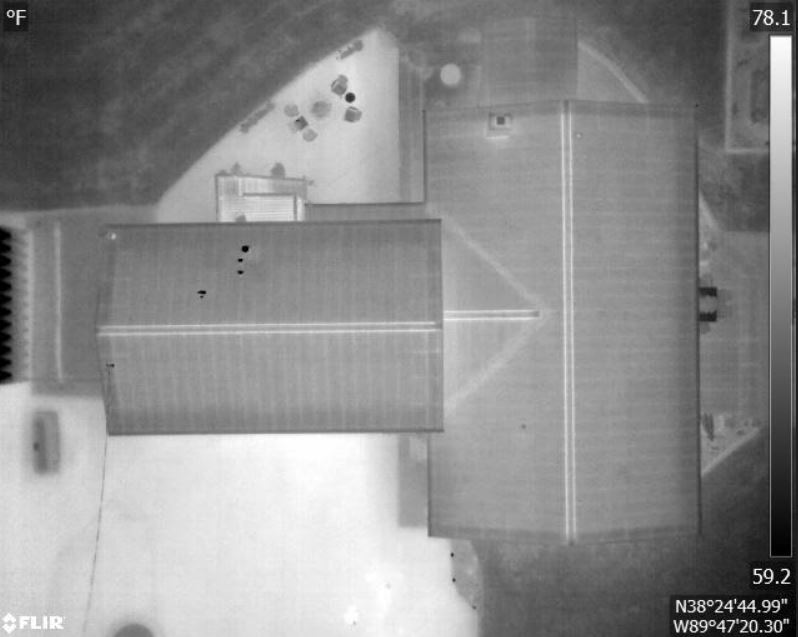
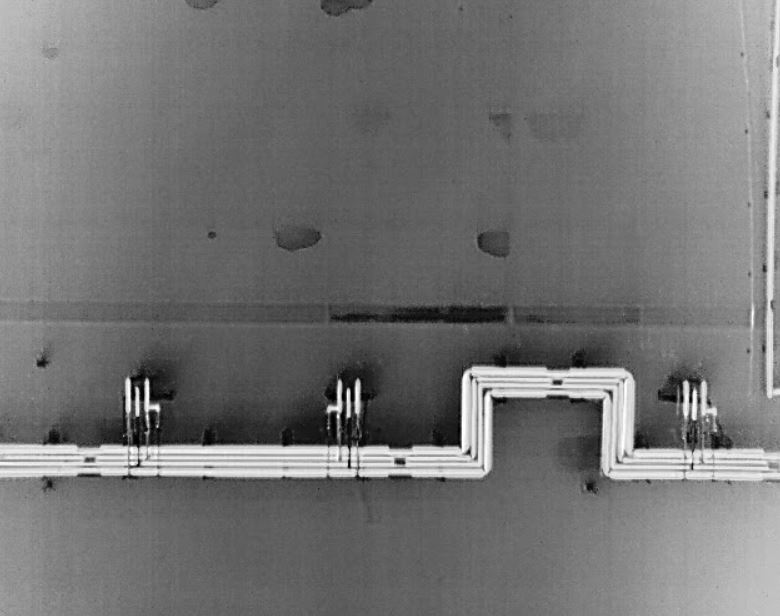
At St. Louis Commercial Photographers, we’re constantly exploring cutting-edge technologies to provide our clients with superior imaging solutions that translate into tangible business advantages. One such innovation that has revolutionized preventative maintenance, especially for large commercial and industrial properties, is the deployment of FLIR (Forward-Looking Infrared) thermal imaging via drones to detect potential roof leaks.

The Invisible Threat: Understanding Moisture and Heat Signatures

Traditional roof inspections are often reactive, relying on visual cues after a leak has already begun. Even then, pinpointing the exact source of a leak can be a laborious and expensive process, involving invasive methods that can further compromise the roof’s integrity. The challenge lies in the fact that water intrusion often isn’t immediately visible on the surface. It can linger beneath the membrane, saturating insulation and causing hidden damage that only becomes apparent when it’s too late.

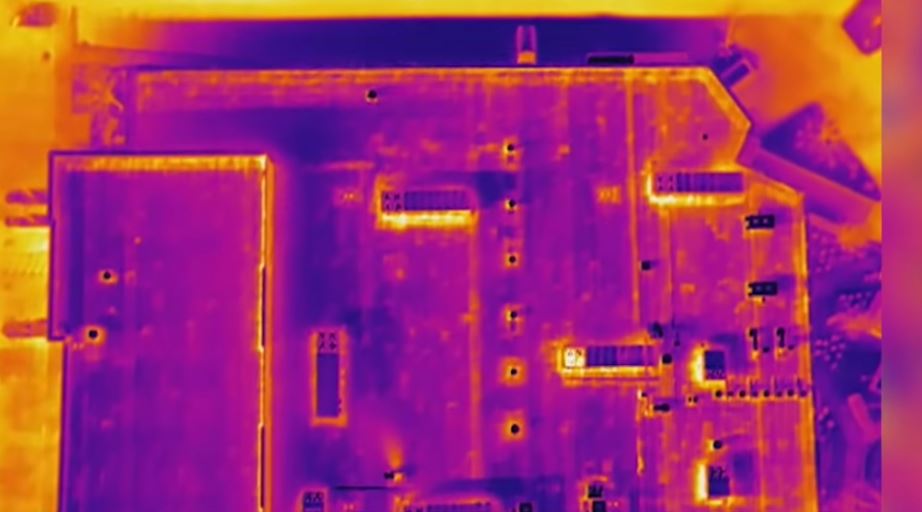
This is where FLIR infrared thermal imaging steps in. FLIR cameras detect infrared energy, or heat, emitted by objects. Different materials absorb and radiate heat at varying rates. When moisture infiltrates a roof system, it significantly alters the thermal properties of the affected areas. During cooler periods (typically after sunset or before sunrise), trapped moisture within the roof’s insulation will retain heat longer than dry areas. Conversely, during warmer periods, saturated areas may appear cooler due to evaporative cooling.

The Drone Advantage: Efficiency, Accuracy, and Safety

Combining FLIR thermal imaging with drone technology offers a powerful and efficient solution for comprehensive roof inspections. Here’s why it’s a game-changer for businesses:

1. Unparalleled Efficiency: Traditional manual roof inspections are time-consuming and often require specialized equipment like lifts or scaffolding. Drones can survey vast roof areas in a fraction of the time, minimizing disruption to your operations. This speed is particularly beneficial for large commercial buildings, warehouses, and industrial complexes with expansive rooflines.

2. Enhanced Accuracy and Early Detection: The sensitivity of FLIR cameras allows for the detection of subtle temperature differentials that are invisible to the naked eye. This means we can identify areas of trapped moisture long before they manifest as visible leaks or structural damage. Early detection allows for targeted repairs, preventing minor issues from escalating into major, costly problems.

3. Improved Safety: Roof inspections can be inherently dangerous, particularly on tall or complex structures. Drones eliminate the need for personnel to directly access hazardous areas, significantly reducing the risk of accidents and injuries. Our specialized drones are even capable of indoor flight, allowing for thorough inspections in challenging environments.

4. Comprehensive Documentation: Drone-captured thermal images and video provide a detailed, objective record of the roof’s condition. This visual documentation is invaluable for insurance claims, repair planning, and demonstrating proactive maintenance to stakeholders. We can pinpoint exact locations of anomalies, allowing your maintenance teams to address specific areas with precision.

5. Non-Invasive Inspection: Unlike traditional methods that might involve cutting into the roof to locate leaks, drone-based FLIR imaging is entirely non-invasive. This preserves the integrity of your roof, preventing further damage during the inspection process.

The St. Louis Commercial Photographers Difference: Your Partner in Proactive Imaging

At St. Louis Commercial Photographers, we understand that successful image acquisition extends far beyond simply taking pictures or shooting video. It’s about leveraging the right tools and expertise to provide actionable insights and tangible value to your business.

Since 1982, St. Louis Commercial Photographers has been a full-service professional commercial photography and video production company, equipped with the right equipment and a creative crew boasting extensive service experience for successful image acquisition. We offer full-service studio and location video and photography, as well as editing, post-production, and licensed drone pilots. We can customize your productions for diverse types of media requirements. Repurposing your photography and video branding to gain more traction is another specialty. We are well-versed in all file types and styles of media and accompanying software, and we use the latest in Artificial Intelligence for all our media services.

Our private studio lighting and visual setup is perfect for small productions and interview scenes, and our studio is large enough to incorporate props to round out your set. We support every aspect of your production—from setting up a private, custom interview studio to supplying professional sound and camera operators, as well as providing the right equipment—ensuring your next video production is seamless and successful. We can fly our specialized drones indoors, providing unparalleled flexibility for your imaging needs. As a full-service video and photography production corporation, St. Louis Commercial Photographers has worked with many businesses, marketing firms, and creative agencies in the St. Louis area for their marketing photography and video needs.

314-913-5626

stlouiscommercialphotographers@gmail.com

Elevate Your Brand: Pro Photography Tips for Service Businesses

In today’s visually-driven marketplace, a strong online presence is non-negotiable for service businesses. While your expertise and exceptional service are paramount, how you visually present those offerings can make all the difference in attracting and retaining clients. At St Louis Commercial Photographers, we understand that for decision-makers in photography, marketing, and video production, every image and every frame tells a story about your brand. This post will delve into professional photography tips designed specifically to elevate service businesses, turning casual browsers into loyal customers.

Beyond the Headshot: Showcasing Your Service in Action

For service businesses, the “product” isn’t always tangible. This makes strategic photography even more critical. It’s not enough to simply show who you are; you need to visually convey what you do and how you do it with excellence.

1. The Power of Authenticity: Real People, Real Interactions Potential clients want to see themselves in your story. Rather than generic stock photos, invest in authentic imagery that features your team members interacting with clients (with consent, of course) or engaged in their work. This humanizes your brand and builds trust.

2. Illustrate the “Before & After” or the “Process”: If your service involves a transformation or a detailed process, show it! This is particularly effective for businesses in home improvement, styling, or consulting. Visualizing the journey can powerfully demonstrate the value you provide. For consulting services, this might be a series of images depicting a collaborative brainstorming session leading to a successful presentation.

3. Highlight Your Environment: More Than Just Four Walls Your workspace, whether it’s an office, a studio, or an on-location setting, can tell a story. A well-lit, organized, and inviting environment reflects professionalism and attention to detail. Consider shots that showcase your unique setup, comfortable client areas, or specialized equipment.

4. Emphasize Expertise and Craftsmanship: For services that require specialized skills, capture the nuances of your work. Close-ups of hands meticulously performing a task, detailed shots of precision equipment in use, or images of team members collaborating on a complex project can all convey a sense of mastery and dedication.

The Strategic Value of Professional Video for Service Businesses

While photography establishes a visual foundation, video adds dynamic storytelling and an unparalleled level of engagement.

1. Explainer Videos: Demystifying Your Service Complex services can be best understood through video. An explainer video can concisely outline your offerings, solve common client pain points, and articulate your unique value proposition in an engaging format.

2. Testimonials and Case Studies: The Voice of Your Satisfied Clients Video testimonials are incredibly powerful. Hearing and seeing real clients rave about your service is far more persuasive than text alone. Combine these with short case study videos that highlight successful projects and the positive outcomes for your clients.

3. “Meet the Team” Videos: Building Connections Allow potential clients to get to know your team beyond their headshots. Short, engaging videos introducing key personnel, their roles, and their passion for what they do can foster a sense of connection and approachability.

4. Behind-the-Scenes: Transparency and Trust Showing glimpses of your daily operations, your team at work, or the meticulous preparation that goes into your service can build trust and demonstrate your commitment to quality. This also provides authentic content for social media and marketing.

Technical Considerations for Impactful Imagery

Regardless of whether you’re focusing on stills or video, professional execution is paramount.

  • Lighting is Key: Good lighting can transform an ordinary scene into something captivating. Proper lighting ensures clarity, mood, and professionalism.
  • Composition Matters: Strategic framing and composition draw the viewer’s eye and effectively communicate your message.
  • High Resolution and Quality: Low-resolution or poorly produced imagery can detract from your brand’s credibility. Always aim for high-quality, sharp, and visually appealing assets.
  • Consistency in Branding: Ensure your visual content aligns with your brand’s aesthetic, color palette, and overall message across all platforms.

Partner with St Louis Commercial Photographers for Unmatched Visual Storytelling

At St Louis Commercial Photographers, we understand that successful image acquisition is about more than just pointing a camera. It’s about vision, expertise, and a deep understanding of your business objectives. Since 1982, we have proudly served businesses, marketing firms, and creative agencies across the St. Louis area, delivering exceptional commercial photography and video production services.

We are a full-service professional commercial photography and video production company, equipped with the right equipment and a creative crew boasting decades of service experience. We offer comprehensive studio and location video and photography services, including meticulous editing, post-production, and the expertise of licensed drone pilots. Whether you need a small production for social media or a large-scale branding campaign, St Louis Commercial Photographers can customize your productions for diverse media requirements.

Repurposing your existing photography and video branding to gain more traction is another one of our specialties. We are well-versed in all file types and styles of media and accompanying software, staying ahead of the curve with the latest in Artificial Intelligence for all our media services. Our private studio offers perfect lighting and visual setups for small productions and interview scenes, with ample space to incorporate props to round out your set.

We support every aspect of your production—from setting up a private, custom interview studio to supplying professional sound and camera operators, as well as providing cutting-edge equipment—ensuring your next video production is seamless and successful. We even possess the unique capability to fly our specialized drones indoors, offering unparalleled creative possibilities. Choose St Louis Commercial Photographers for visual content that not only looks professional but also powerfully conveys the essence and value of your service business.

314-913-5626

stlouiscommercialphotographers@gmail.com

A Step-by-Step Playbook for Product Shots That Sell

As decision-makers in an increasingly visual world, you understand that compelling product photography is no longer a luxury, but a necessity. High-quality imagery directly impacts brand perception, customer engagement, and ultimately, sales. However, simply pointing and shooting rarely yields the impactful results businesses demand. The art of product posing, often overlooked, is the secret weapon in transforming ordinary shots into extraordinary marketing assets.

This comprehensive guide, born from decades of experience in commercial photography and video production, will walk you through the essential steps to strategically pose your products, ensuring every shot communicates value, desirability, and professionalism.

Step 1: Understand Your Product’s Story and Audience

Before even touching a prop or adjusting a light, delve deep into the “why” behind your product. What problem does it solve? What emotion does it evoke? Who is your target demographic? A luxury watch will be posed differently than a children’s toy or an industrial component.

  • Key Consideration: How does your product fit into the lifestyle or workflow of your ideal customer?
  • Actionable Tip: Create a brief creative brief for each product, outlining its unique selling propositions and target audience. This will inform every subsequent posing decision.

Step 2: Choose Your Background Wisely

The background is not merely an empty space; it’s an integral part of your product’s environment. It should complement, not distract from, your star.

  • Clean & Simple: For e-commerce, a pure white or neutral gray background is often ideal. It minimizes distractions and ensures the product stands out.
  • Contextual & Evocative: For lifestyle or branding shots, consider backgrounds that hint at the product’s use case. A gourmet coffee grinder might be placed on a rustic kitchen counter, while a tech gadget could rest on a minimalist desk.
  • Texture & Depth: Introduce subtle textures – wood, concrete, fabric – to add visual interest without overwhelming the product.

Step 3: Master the Art of Angles and Perspectives

The angle from which you photograph your product can drastically alter its perceived size, shape, and even its personality.

  • Eye-Level: Often the most natural and relatable perspective, mimicking how a customer would see the product in person.
  • High Angle (Bird’s Eye): Can make a product appear smaller or more approachable. Useful for showcasing the top surface or arrangement of multiple items.
  • Low Angle: Can lend a sense of grandeur, power, or importance to a product. Effective for showcasing height or intricate details from below.
  • Close-Up (Macro): Essential for highlighting textures, intricate craftsmanship, or specific features that differentiate your product.
  • Action Shot: If your product is dynamic, show it in use. A running shoe in motion, a blender mid-blend, or a tool performing its function.

Step 4: Leverage Props with Purpose

Props are powerful storytelling tools, but they must be used judiciously. Every prop should serve a clear purpose, whether it’s to provide scale, add context, enhance aesthetics, or suggest a lifestyle.

  • Complementary Colors & Textures: Choose props that harmoniously blend with your product’s design and color palette.
  • Scale & Proportion: Use props to give viewers a sense of the product’s actual size. A small coin next to a piece of jewelry, or a hand holding a device.
  • Lifestyle & Context: A book next to a reading lamp, a cup of coffee beside a laptop – these props paint a picture of how the product enhances life.
  • Subtlety is Key: Avoid clutter. A few well-chosen props are far more effective than a busy, distracting arrangement.

Step 5: The Power of Arrangement and Grouping

When photographing multiple products or components, their arrangement is critical.

  • Rule of Thirds: Position your main product or key elements along the intersecting lines or points of an imaginary tic-tac-toe grid for a more dynamic composition.
  • Leading Lines: Use elements within your shot to create visual paths that guide the viewer’s eye towards your product.
  • Symmetry vs. Asymmetry: Symmetrical arrangements can convey balance and formality, while asymmetrical layouts often feel more natural and dynamic.
  • Depth of Field: Utilize shallow depth of field to isolate your product and create a pleasing, professional blur in the foreground and background. This draws attention directly to your hero product.

Step 6: Light It Right

While not strictly “posing,” lighting is inextricably linked to how your product’s form, texture, and details are revealed. Strategic lighting can sculpt your product, eliminate harsh shadows, and create mood.

  • Soft, Diffused Light: Often the most flattering for products, minimizing harsh reflections and revealing details evenly. Think large softboxes or natural light from a window.
  • Directional Light: Use harder light sources to emphasize texture, create dramatic shadows, and add depth.
  • Fill Light: Use reflectors or a secondary light source to lift shadows and ensure all aspects of the product are visible.
  • Backlighting/Rim Lighting: Can create a beautiful halo effect around your product, separating it from the background and adding dimension.

Step 7: Iterate and Refine

Product photography is an iterative process. Don’t settle for the first good shot.

  • Shoot from multiple angles.
  • Experiment with different prop arrangements.
  • Adjust lighting subtly.
  • Review your shots critically. What works? What doesn’t? How can you improve?

By meticulously following these steps, you will transform your product photography from mere documentation into compelling visual narratives that resonate with your audience and drive business results.


At St Louis Commercial Photographers, we understand that successful image acquisition is about more than just a camera and a click. With decades of experience since 1982, we are a full-service professional commercial photography and video production company, equipped with the right equipment and a creative crew dedicated to your success.

We offer comprehensive studio and location video and photography services, alongside expert editing, post-production, and even licensed drone pilots for captivating aerial perspectives. St Louis Commercial Photographers excels at customizing productions for diverse media requirements, and we specialize in repurposing your photography and video branding to gain maximum traction across all platforms. We are well-versed in all file types, media styles, and accompanying software, staying ahead of the curve by utilizing the latest in Artificial Intelligence for all our media services.

Our private studio provides the perfect controlled environment with specialized lighting and visual setups for small productions and interview scenes. It’s spacious enough to incorporate a variety of props to perfectly round out your set. We support every aspect of your production—from setting up a private, custom interview studio to supplying professional sound and camera operators, as well as providing the right equipment—ensuring your next video production is seamless and successful. Unique to our capabilities, we can even fly our specialized drones indoors for dynamic and controlled shots.

Having worked with countless businesses, marketing firms, and creative agencies in the St. Louis area for their marketing photography and video needs, St Louis Commercial Photographers is your trusted partner for visual excellence.

314-913-5626

stlouiscommercialphotographers@gmail.com

AI Photography for Brands

AI doesn’t replace commercial photography—it upgrades it. The best results come from hybrid workflows that start with great capture (lighting, lenses, set design) and then use AI for speed, consistency, repurposing, and compliance. Choose vendors who show you how they apply AI (and when they explicitly don’t), preserve provenance, and deliver assets ready for every channel.

What “AI Photography” Actually Means (In Practice)

AI is not one thing. In commercial production, it spans three buckets:

  1. AI-assisted capture: autofocus, noise handling, subject detection, and on-set look matching; helps crews work faster in difficult spaces (factories, hospitals, showrooms).
  2. AI-accelerated post: precise masking, cleanup (dust, wrinkles, flyaway hair), background replacement/extension, product colorways, plate cleanups, and upscaling for large prints—while keeping skin tones and materials accurate.
  3. Generative elements: props, skies, and set extensions that are supplements to real photography, used when it reduces risk or cost (for example, a winter scene for a summer shoot), with clear disclosure when the scene materially changes.

Bottom line: You still need experienced producers, photographers, controlled lighting, and a well-run set. AI makes the pipeline faster and more repeatable—but it can’t fix a poorly planned shoot.

Where AI Delivers ROI for Brands

• Speed and predictability: faster selects and retouching cycles, fewer reshoots, reliable turnaround for product drops or time-sensitive campaigns.
• Consistency across SKUs and locations: AI look-matching keeps backgrounds, angles, and finishes uniform across dozens of items or multiple facilities.
• Repurposing at scale: automated crops, aspect ratios, captions, and short social cutdowns derived from a master campaign to fit web, print, email, retail screens, and paid social.
• Risk reduction: virtual set extension beats last-minute location changes; smart cleanup eliminates safety hazards or confidential info captured on-site.
• Budget leverage: reusable lighting plans, scene templates, and prompt libraries compound value on recurrent shoots (quarterly headshots, ongoing product lines, event series).

Guardrails: Authenticity, Rights, and Compliance

Executives should expect transparent chain-of-custody for images—especially when AI is in the mix. Two helpful reference points:
• C2PA and Content Credentials: embed verifiable provenance (who created what, when, and how the media was edited).
• Content Authenticity Initiative (CAI): promotes adoption of Content Credentials and provides open tools and best practices.

What to require in your statement of work:
• Disclosure when any generative elements materially alter a scene.
• Retention of EXIF/IPTC/XMP and, where supported, C2PA Content Credentials in deliverables.
• Warranties that no third-party IP, logos, or likenesses were introduced without rights clearance.
• Storage and deletion terms for any client data used to train or guide AI outputs.
• A rubric for authenticity-critical shots (for example, regulated industries) where generative tools are not used.

Quality Control Still Matters (And Always Will)

• Color management: define spaces and deliverables up front (web often sRGB; premium print may need Adobe RGB or CMYK conversions).
• Resolution and scale: use native capture for hero imagery; apply AI super-resolution only when tests confirm no artifacts in fabric, hair, or type.
• Skin fidelity: establish a retouching policy (texture preserved, pores intact, no “plastic skin”).
• Material accuracy: metal, glass, and textiles require honest speculars; avoid AI hallucinations that change surface physics.
• Text and logos: prefer real capture for packaging with small type or legal marks; AI tends to distort micro-details.

When To Use What: A Simple Decision Framework

• Pure photographic capture: compliance-sensitive product claims; medical or financial contexts; case-study scenes; anything with fine legal copy.
• Hybrid (best default): people, places, products captured for real; AI for cleanup, background extension, sky replacement, and social repurposing.
• Selective generative: environmental set extension, crowd fills, or weather when live capture is impractical—paired with disclosure and internal logging.

RFP Criteria You Can Paste

  1. Capture plan: lighting diagram, lens selection, and sample frames that match brand guidelines.
  2. AI usage policy: which tools are used at pre, on-set, and post stages; where AI is not used; disclosure practices.
  3. Provenance: whether C2PA/Content Credentials will be embedded in finals where supported.
  4. Deliverables matrix: exact crops/ratios (web, paid, OOH, retail), color spaces, file types, and compression targets.
  5. Repurposing plan: how assets will be versioned into social, email, and landing-page variants.
  6. Data governance: retention period, access controls, and policy on training any models with your content.
  7. Crew and facilities: studio specs, sound isolation for interviews, on-site power, and safety plans for drone or overhead rigs.
  8. Indoor drone capability (if needed): licensing/insurance and indoor flight experience.

How We Run AI—Without the Shortcuts

At St Louis Commercial Photographers, we combine disciplined production with modern AI to deliver assets you can trust. We offer:
• Studio and on-location production with advanced lighting, full set design, location permits, and seasoned crew.
• Full-service photo and video (interviews, brand stories, product demos) with FAA-licensed drone pilots and professional editing and post-production.
• AI-enhanced post focused on quality, not gimmicks—cleanup, consistency, and repurposing across platforms.
• Decades of experience, trusted by businesses, marketing firms, and agencies throughout St. Louis since 1982.
• A private studio optimized for small productions and interviews, with space for props and custom sets; we also support specialized indoor drone flight when the brief calls for it.

A Quick Procurement Checklist

[ ] SOW calls out where AI may be used and preserved in metadata
[ ] Authenticity-critical shots flagged as no-gen
[ ] File-format and color-space table finalized up front
[ ] Repurposing deliverables listed (social, email, web, print)
[ ] Indoor and outdoor drone safety plan approved (if applicable)
[ ] Model, property, and brand releases collected and archived
[ ] Content Credentials embedded where supported

Closing: Why St Louis Commercial Photographers

St Louis Commercial Photographers is a full-service professional commercial photography and video production company with the right equipment and creative crew service experience for successful image acquisition. We offer full-service studio and location video and photography, as well as editing, post-production and licensed drone pilots. St Louis Commercial Photographers can customize your productions for diverse types of media requirements. Repurposing your photography and video branding to gain more traction is another specialty. We are well-versed in all file types and styles of media and accompanying software. We use the latest in Artificial Intelligence for all our media services. Our private studio lighting and visual setup is perfect for small productions and interview scenes, and our studio is large enough to incorporate props to round out your set. We support every aspect of your production—from setting up a private, custom interview studio to supplying professional sound and camera operators, as well as providing the right equipment—ensuring your next video production is seamless and successful. We can fly our specialized drones indoors. As a full-service video and photography production corporation, since 1982, St Louis Commercial Photographers has worked with many businesses, marketing firms and creative agencies in the St. Louis area for their marketing photography and video.

314-913-5626

stlouiscommercialphotographers@gmail.com

Most common questions about St Louis Commercial Photographers.

1. What types of commercial photography services does St Louis Commercial Photographers offer?

St Louis Commercial Photographers provides professional commercial photography in St Louis for businesses, organizations, and agencies. Our services include corporate headshots, business portraits, product photography, architectural photography, real estate photography, advertising and marketing images, and event photography. We also specialize in licensed drone photography for aerial views that elevate your visual marketing.


2. Do you offer both studio and on-location commercial photography?

Yes. Our St Louis photography studio is equipped with advanced lighting, backdrops, and space for full set design—perfect for portraits, products, and controlled shoots. For on-location photography in St Louis, we bring our equipment to your office, commercial space, or outdoor setting. We handle location scouting, permits, and professional lighting setups to ensure stunning results in any environment.


3. Can St Louis Commercial Photographers also provide video production services?

Absolutely. We are more than just a photography studio—we’re a full-service commercial photography and video production company in St Louis. We produce corporate videos, brand storytelling pieces, product demonstrations, interview videos, and event coverage. Our team also includes FAA-licensed drone pilots for dynamic aerial video and photography, plus professional editing and post-production to give your visuals a polished, market-ready look.


4. How do you make sure the photography matches my company’s brand and marketing goals?

Before the shoot, we conduct a branding consultation to understand your company’s style, message, and audience. We tailor everything—from lighting and composition to background choices and posing—to align with your brand identity. Our expertise in repurposing photography and video content means your visuals will work seamlessly across print, digital, and social media platforms.


5. What makes St Louis Commercial Photographers the best choice for businesses?

Since 1982, St Louis Commercial Photographers has been trusted by businesses, marketing firms, and advertising agencies for our creativity, technical expertise, and reliability. We use cutting-edge photography technology, AI-enhanced editing tools, and custom production setups to ensure every project is exceptional. Whether you need studio portraits, location photography, or full-scale video production, we deliver results that help your brand stand out in a competitive market.

314-913-5626

stlouiscommercialphotographers@gmail.com

Use Photography to Highlight Your Business’s Unique Value

Every business has something that sets it apart—whether it’s a specialized service, a team with uncommon expertise, or a brand story no competitor can replicate. But the real challenge isn’t just being different—it’s showing that difference in a way your audience instantly understands.

In a marketplace saturated with visuals, standing out starts with the right images. At St Louis Commercial Photographers, we help businesses communicate what makes them exceptional by turning brand strengths into strategic visuals. In this article, we explore how decision-makers in marketing and branding can use professional photography to spotlight their company’s unique identity—and why it matters.


1. Let Your People Shine

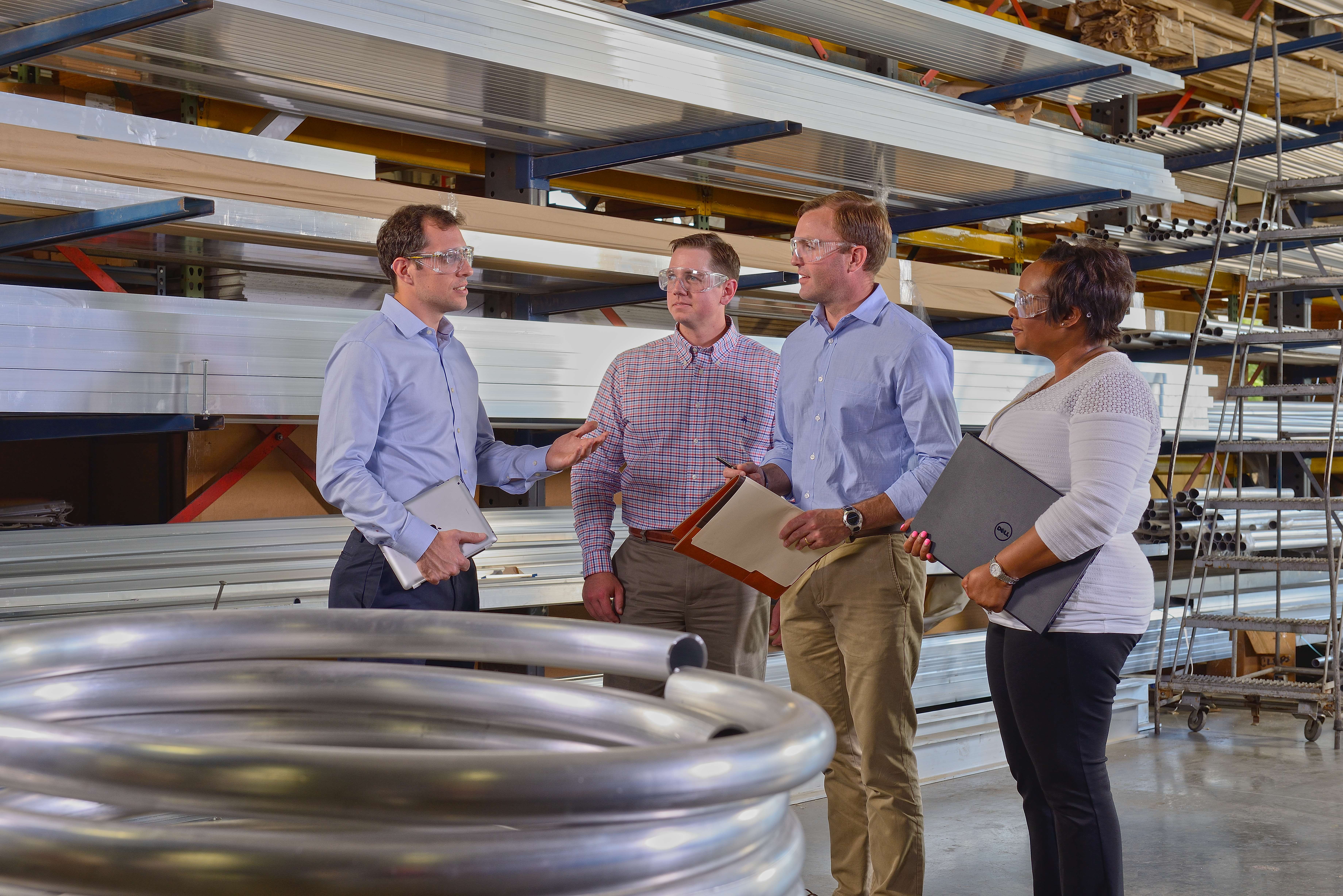
Your team is the heartbeat of your business. Whether it’s your leadership, customer-facing staff, or skilled labor force, people create trust. And no stock photo can substitute for that.

Strategy:
Capture real staff at work in their environment—interacting, solving problems, collaborating. These images show clients the kind of people they’ll be working with and reinforce your team’s credibility and character.

Why it works:
Authentic photos humanize your brand and help clients feel like they already know you before picking up the phone.


2. Document Your Process

One of the most powerful ways to differentiate your business is to show how you work—not just what you deliver. Your systems, tools, craftsmanship, and attention to detail are worth showcasing.

Strategy:
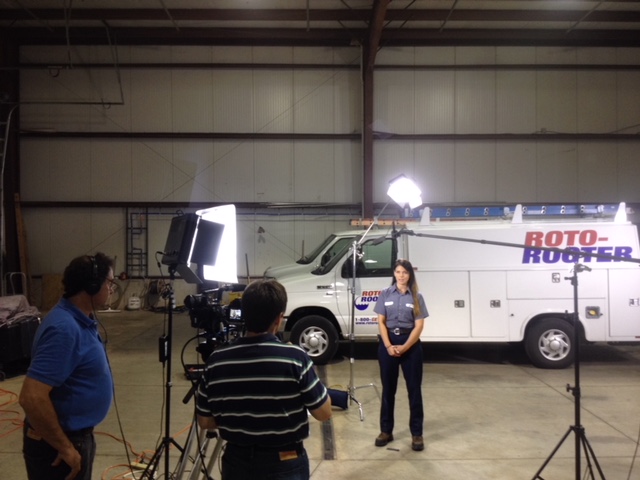
Create a visual narrative of your process from start to finish. This might include behind-the-scenes photos of your team setting up, performing specialized services, or completing quality checks.

Why it works:
When potential clients see your methodical, professional workflow, they’re more likely to trust the quality and reliability of your final product.


3. Highlight Custom Work or Specialized Equipment

Have proprietary technology, tools, or setups that give you a competitive edge? Show them off. Unique gear, customized rigs, or industry-specific technology are visual proof of expertise.

Strategy:
Use close-ups, action shots, and staged studio photography to emphasize equipment or techniques that competitors can’t claim.

Why it works:
Clients looking for high-end, niche, or specialized service providers want to see evidence of your capability—especially if they’re unfamiliar with the technical side of what you do.


4. Feature Unique Projects or Signature Products

Don’t let your best work disappear after delivery. Use photography to document standout jobs, notable clients, or your most innovative projects.

Strategy:
Schedule a professional shoot at project completion or during a live activation. Capture wide shots, details, interactions, and context.

Why it works:
Visual case studies double as portfolio pieces and testimonials. They tell your brand story in a way that words alone can’t match.


5. Use Visual Branding to Reinforce Identity

Color palettes, uniforms, signage, office decor, and branded materials all contribute to your business’s personality. Photography that integrates these elements creates a strong visual identity.

Strategy:
Ensure your brand’s aesthetic appears consistently across all your visual assets—from website hero images to internal marketing decks.

Why it works:
Consistency in visual branding increases recognition and strengthens your position in the market.


6. Include Environment and Culture

Whether it’s a sleek corporate office, a collaborative team lunch, or a dynamic production space, the environments your business operates in say a lot about your culture and values.

Strategy:
Photograph authentic moments that showcase your workplace energy, culture, and client interactions.

Why it works:
Today’s clients care about who they’re working with, not just what they’re buying. Environment shots add dimension to your brand.


Commercial Photography That Tells Your Story

At St Louis Commercial Photographers, we specialize in helping businesses like yours show what makes them unique. We don’t just point and shoot—we plan, craft, and capture visuals that align with your brand story and drive your marketing forward.

Since 1982, we’ve worked with companies, marketing firms, and creative agencies across the St. Louis region to develop targeted visual content for websites, advertising, social media, and internal communications.

We provide:

  • Studio and on-location commercial photography and video production
  • Licensed drone pilots for interior and aerial visuals that expand your storytelling scope
  • Expert editing, post-production, and retouching including AI-powered workflows
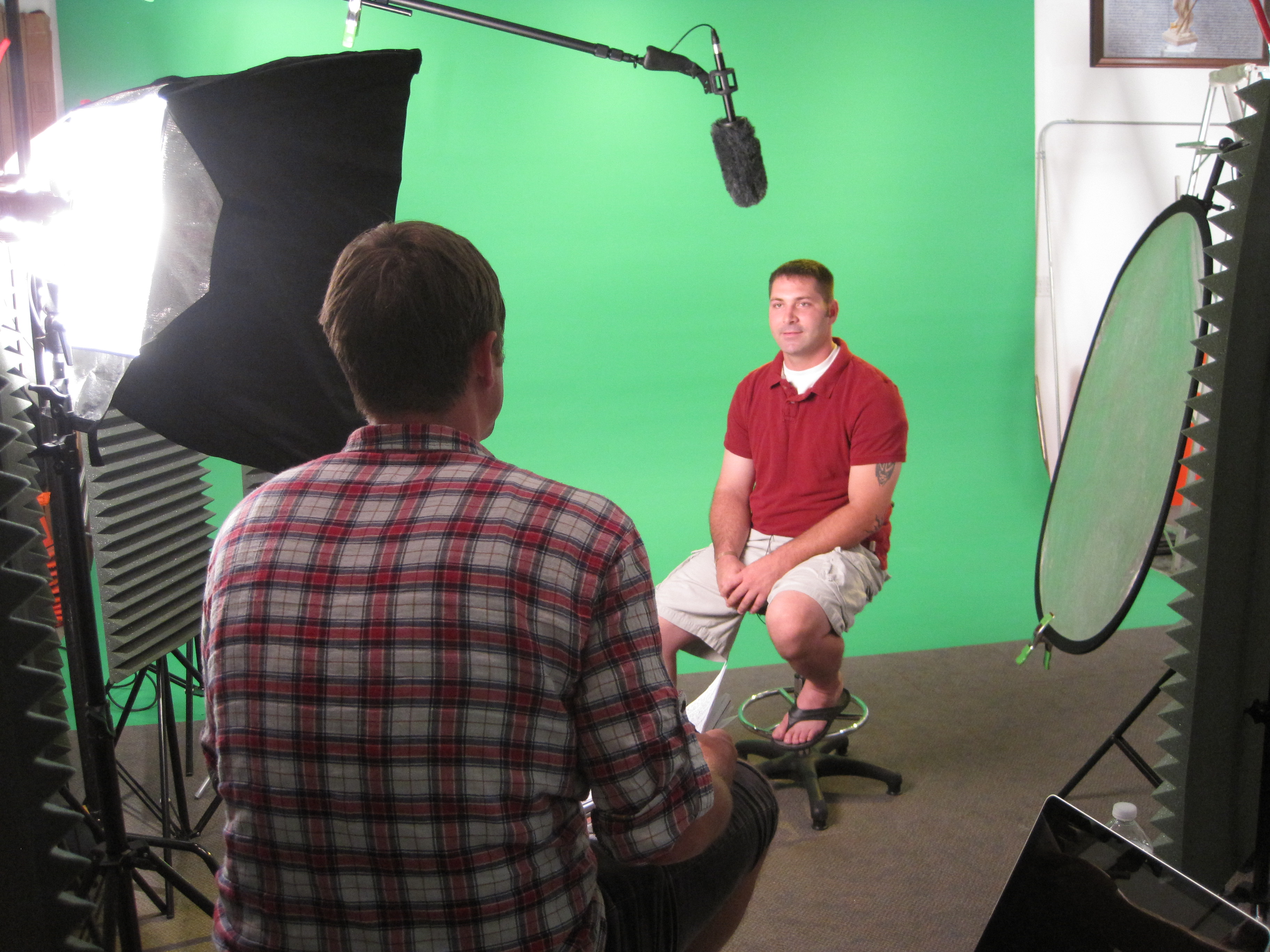
  • Custom interview studio setups for corporate storytelling and testimonials
  • Professional lighting, sound, and camera crew services for seamless productions
  • Repurposing services to adapt your imagery across multiple formats and platforms

Our private studio is designed to accommodate small productions with full lighting control and prop integration, and our team can assist with everything from location planning to delivering optimized file types for every application.

If you’re ready to make your business stand out visually—and make that difference matter to your audience—St Louis Commercial Photographers has the experience, creativity, and tools to get it done right.

Let’s showcase what makes your business different—and better.

314-913-5626

stlouiscommercialphotographers@gmail.com

How to Make Your Service Business Photos Look More Professional (and Why It Matters)

In today’s visually driven marketplace, your photos are often the first impression customers have of your service business. Whether you’re a law firm, construction contractor, medical provider, or consultant, the quality of your imagery reflects the quality of your services. Professional-looking photos can help establish trust, attract more business, and set you apart from competitors—especially in digital spaces where imagery dominates.

Here’s how you can make your service business photos look more professional—and why partnering with the right production team can make all the difference.


1. Start with Strategy, Not the Shutter

Before a single photo is taken, define the purpose of your shoot. Are the photos for a website, brochure, email campaign, or social media? Different platforms require different compositions, file types, and orientations. Professional photographers will collaborate with you to determine the messaging and style that fits your brand identity and target audience.

Tip: Use a mood board or visual reference examples to help communicate the tone you want—whether polished and corporate, warm and welcoming, or rugged and industrious.


2. Invest in Location and Lighting

Lighting is the most critical element in creating high-end imagery. Natural light can be beautiful but inconsistent, while fluorescent office lighting can make even the best setting feel dull and washed out.

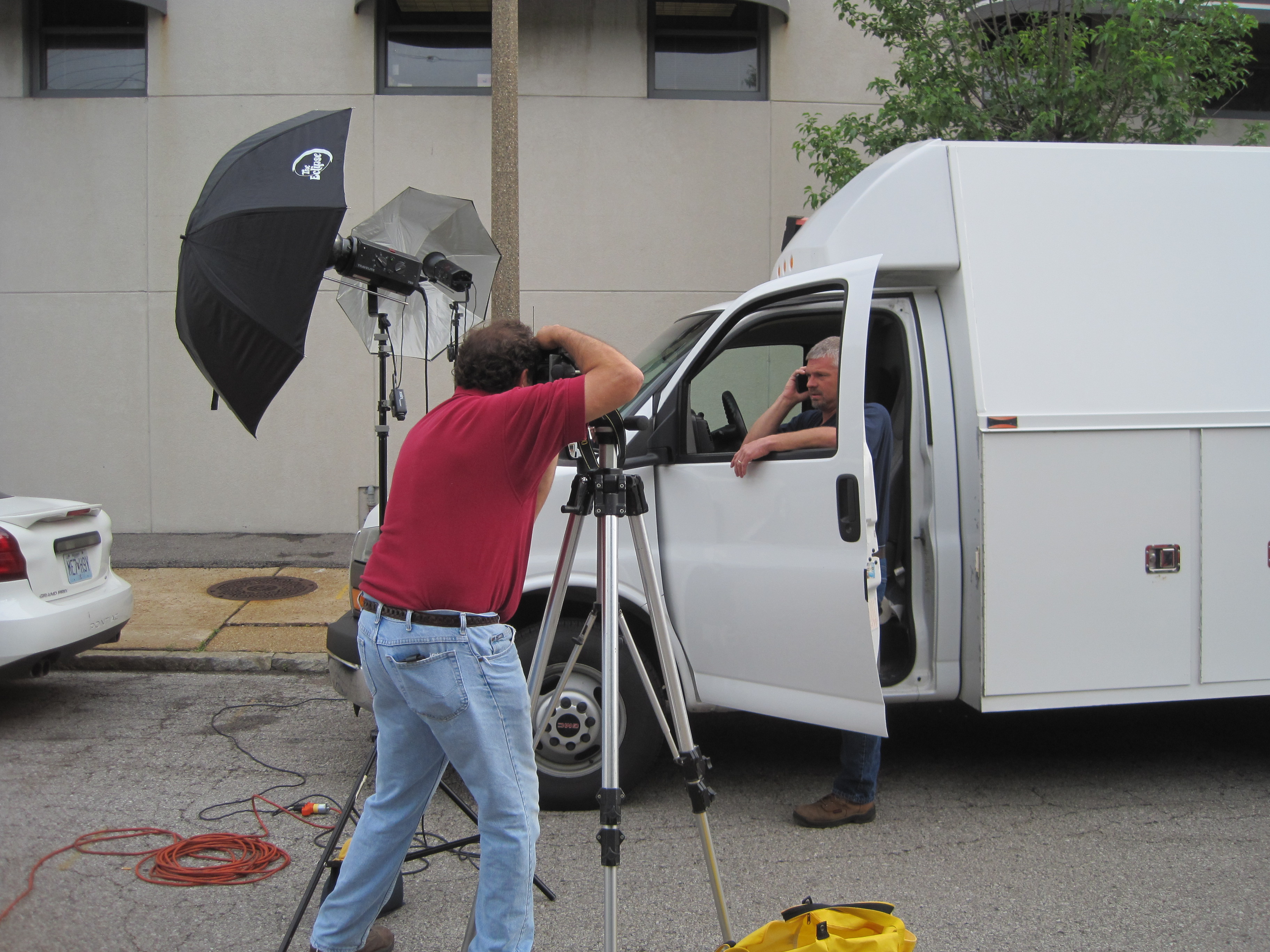
Professional photographers will use lighting modifiers, strobes, or continuous lights to enhance your environment—whether that’s a modern office, a job site, or a manufacturing floor. If you’re capturing team portraits or action shots, even lighting ensures every detail is sharp and every face is evenly lit.

Bonus: A professional studio setting can provide a clean, branded backdrop for headshots or testimonials, lending consistency across your marketing visuals.


3. Use People Authentically

Stock images of anonymous models shaking hands are no longer effective. Audiences want real people and real places. Show your team in action—greeting customers, working with equipment, or solving problems.

If your staff is camera-shy, an experienced photographer can help them relax and look natural. Direction on posture, facial expression, and body language is essential for photos that feel candid but polished.


4. Composition Matters

The difference between amateur and professional photography often lies in composition. Professional photographers understand framing, leading lines, depth of field, and how to use space to tell a visual story.

For example, wide shots can showcase your environment, while tight shots emphasize the craftsmanship or detail of your work. A good photographer will compose images that highlight your brand’s strengths visually—without clutter, distractions, or unflattering angles.


5. Retouching and Post-Production Polish

Even the best photos can benefit from thoughtful retouching. Color grading, exposure balancing, background cleanup, and cropping help ensure your images look consistent across platforms. Professional editing also includes file optimization for web, print, and mobile formats—so your brand looks its best everywhere.


6. Use AI and Technology to Your Advantage

AI is revolutionizing photography by enabling faster background replacements, smart object removal, and enhanced resolution scaling. At St Louis Commercial Photographers, we incorporate AI tools to deliver consistent, professional-grade results—without compromising authenticity.


Why Choose St Louis Commercial Photographers?

At St Louis Commercial Photographers, we specialize in making service businesses look exceptional through strategic, high-quality visual storytelling. We are a full-service professional commercial photography and video production company, equipped with the right technology, lighting setups, and creative crew to handle every production detail. From studio and location photography to editing, post-production, and licensed drone operations—including specialized indoor drone flight—we tailor each shoot to meet your media needs.

Whether you’re creating a company overview video, executive portraits, action shots, or promotional visuals, we support every stage of your production. Our private studio can be customized with props and branded elements for one-of-a-kind results. We also excel in repurposing your photography and video branding for multiple platforms to gain more marketing traction.

Since 1982, we’ve worked with businesses, marketing firms, and agencies across the St. Louis region. Our deep understanding of professional image acquisition and modern AI-powered tools ensures your next campaign is both stunning and successful.

Let us elevate your brand—one expertly crafted image at a time.


Ready to upgrade your service business visuals?
Contact St Louis Commercial Photographers today to start planning your next impactful photo or video project.

314-913-5626

stlouiscommercialphotographers@gmail.com