Tag Archives: art

A Step-by-Step Playbook for Product Shots That Sell

As decision-makers in an increasingly visual world, you understand that compelling product photography is no longer a luxury, but a necessity. High-quality imagery directly impacts brand perception, customer engagement, and ultimately, sales. However, simply pointing and shooting rarely yields the impactful results businesses demand. The art of product posing, often overlooked, is the secret weapon in transforming ordinary shots into extraordinary marketing assets.

This comprehensive guide, born from decades of experience in commercial photography and video production, will walk you through the essential steps to strategically pose your products, ensuring every shot communicates value, desirability, and professionalism.

Step 1: Understand Your Product’s Story and Audience

Before even touching a prop or adjusting a light, delve deep into the “why” behind your product. What problem does it solve? What emotion does it evoke? Who is your target demographic? A luxury watch will be posed differently than a children’s toy or an industrial component.

  • Key Consideration: How does your product fit into the lifestyle or workflow of your ideal customer?
  • Actionable Tip: Create a brief creative brief for each product, outlining its unique selling propositions and target audience. This will inform every subsequent posing decision.

Step 2: Choose Your Background Wisely

The background is not merely an empty space; it’s an integral part of your product’s environment. It should complement, not distract from, your star.

  • Clean & Simple: For e-commerce, a pure white or neutral gray background is often ideal. It minimizes distractions and ensures the product stands out.
  • Contextual & Evocative: For lifestyle or branding shots, consider backgrounds that hint at the product’s use case. A gourmet coffee grinder might be placed on a rustic kitchen counter, while a tech gadget could rest on a minimalist desk.
  • Texture & Depth: Introduce subtle textures – wood, concrete, fabric – to add visual interest without overwhelming the product.

Step 3: Master the Art of Angles and Perspectives

The angle from which you photograph your product can drastically alter its perceived size, shape, and even its personality.

  • Eye-Level: Often the most natural and relatable perspective, mimicking how a customer would see the product in person.
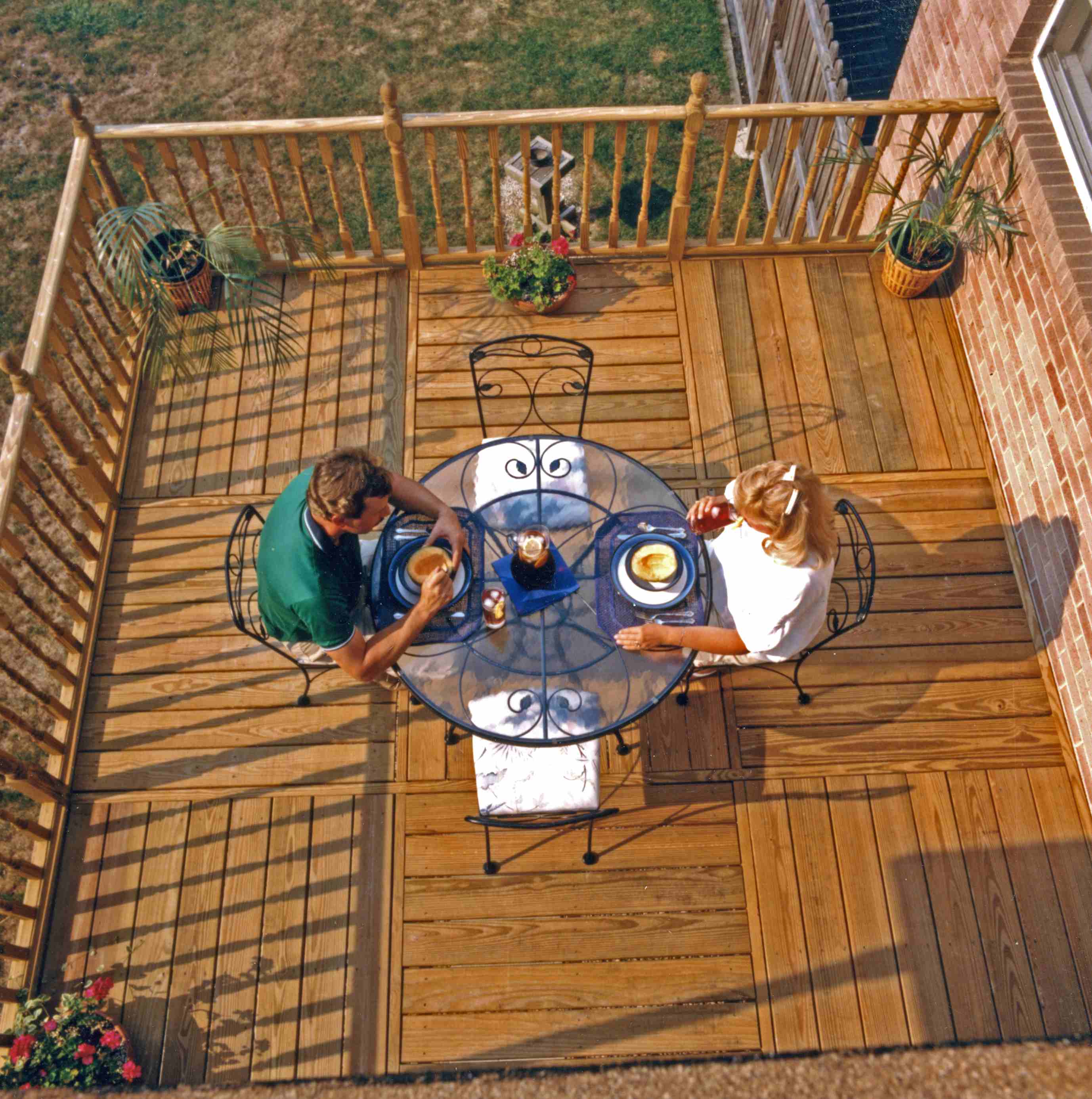
  • High Angle (Bird’s Eye): Can make a product appear smaller or more approachable. Useful for showcasing the top surface or arrangement of multiple items.
  • Low Angle: Can lend a sense of grandeur, power, or importance to a product. Effective for showcasing height or intricate details from below.
  • Close-Up (Macro): Essential for highlighting textures, intricate craftsmanship, or specific features that differentiate your product.
  • Action Shot: If your product is dynamic, show it in use. A running shoe in motion, a blender mid-blend, or a tool performing its function.

Step 4: Leverage Props with Purpose

Props are powerful storytelling tools, but they must be used judiciously. Every prop should serve a clear purpose, whether it’s to provide scale, add context, enhance aesthetics, or suggest a lifestyle.

  • Complementary Colors & Textures: Choose props that harmoniously blend with your product’s design and color palette.
  • Scale & Proportion: Use props to give viewers a sense of the product’s actual size. A small coin next to a piece of jewelry, or a hand holding a device.
  • Lifestyle & Context: A book next to a reading lamp, a cup of coffee beside a laptop – these props paint a picture of how the product enhances life.
  • Subtlety is Key: Avoid clutter. A few well-chosen props are far more effective than a busy, distracting arrangement.

Step 5: The Power of Arrangement and Grouping

When photographing multiple products or components, their arrangement is critical.

  • Rule of Thirds: Position your main product or key elements along the intersecting lines or points of an imaginary tic-tac-toe grid for a more dynamic composition.
  • Leading Lines: Use elements within your shot to create visual paths that guide the viewer’s eye towards your product.
  • Symmetry vs. Asymmetry: Symmetrical arrangements can convey balance and formality, while asymmetrical layouts often feel more natural and dynamic.
  • Depth of Field: Utilize shallow depth of field to isolate your product and create a pleasing, professional blur in the foreground and background. This draws attention directly to your hero product.

Step 6: Light It Right

While not strictly “posing,” lighting is inextricably linked to how your product’s form, texture, and details are revealed. Strategic lighting can sculpt your product, eliminate harsh shadows, and create mood.

  • Soft, Diffused Light: Often the most flattering for products, minimizing harsh reflections and revealing details evenly. Think large softboxes or natural light from a window.
  • Directional Light: Use harder light sources to emphasize texture, create dramatic shadows, and add depth.
  • Fill Light: Use reflectors or a secondary light source to lift shadows and ensure all aspects of the product are visible.
  • Backlighting/Rim Lighting: Can create a beautiful halo effect around your product, separating it from the background and adding dimension.

Step 7: Iterate and Refine

Product photography is an iterative process. Don’t settle for the first good shot.

  • Shoot from multiple angles.
  • Experiment with different prop arrangements.
  • Adjust lighting subtly.
  • Review your shots critically. What works? What doesn’t? How can you improve?

By meticulously following these steps, you will transform your product photography from mere documentation into compelling visual narratives that resonate with your audience and drive business results.


At St Louis Commercial Photographers, we understand that successful image acquisition is about more than just a camera and a click. With decades of experience since 1982, we are a full-service professional commercial photography and video production company, equipped with the right equipment and a creative crew dedicated to your success.

We offer comprehensive studio and location video and photography services, alongside expert editing, post-production, and even licensed drone pilots for captivating aerial perspectives. St Louis Commercial Photographers excels at customizing productions for diverse media requirements, and we specialize in repurposing your photography and video branding to gain maximum traction across all platforms. We are well-versed in all file types, media styles, and accompanying software, staying ahead of the curve by utilizing the latest in Artificial Intelligence for all our media services.

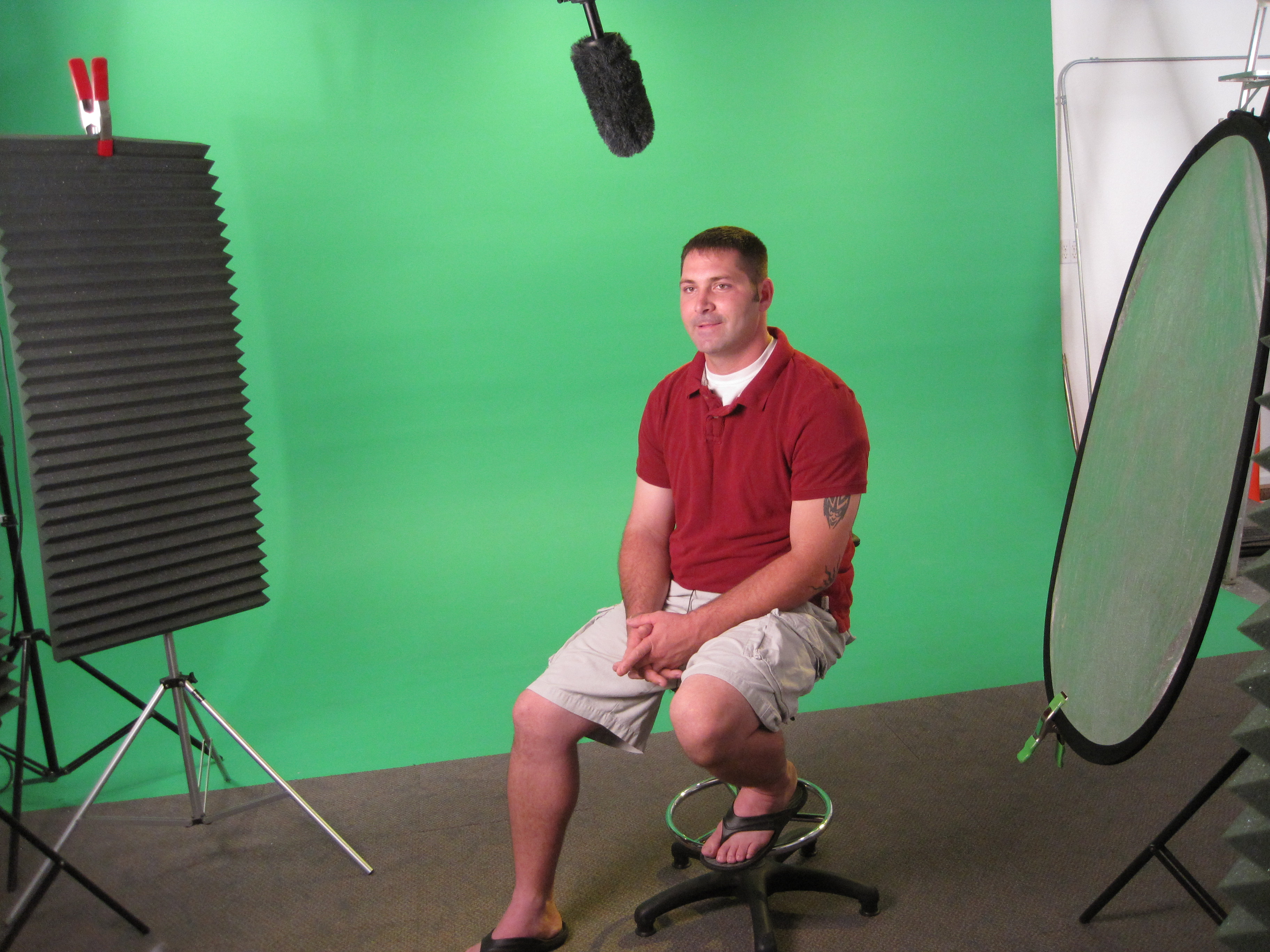
Our private studio provides the perfect controlled environment with specialized lighting and visual setups for small productions and interview scenes. It’s spacious enough to incorporate a variety of props to perfectly round out your set. We support every aspect of your production—from setting up a private, custom interview studio to supplying professional sound and camera operators, as well as providing the right equipment—ensuring your next video production is seamless and successful. Unique to our capabilities, we can even fly our specialized drones indoors for dynamic and controlled shots.

Having worked with countless businesses, marketing firms, and creative agencies in the St. Louis area for their marketing photography and video needs, St Louis Commercial Photographers is your trusted partner for visual excellence.

314-913-5626

stlouiscommercialphotographers@gmail.com

AI Photography for Brands

AI doesn’t replace commercial photography—it upgrades it. The best results come from hybrid workflows that start with great capture (lighting, lenses, set design) and then use AI for speed, consistency, repurposing, and compliance. Choose vendors who show you how they apply AI (and when they explicitly don’t), preserve provenance, and deliver assets ready for every channel.

What “AI Photography” Actually Means (In Practice)

AI is not one thing. In commercial production, it spans three buckets:

  1. AI-assisted capture: autofocus, noise handling, subject detection, and on-set look matching; helps crews work faster in difficult spaces (factories, hospitals, showrooms).
  2. AI-accelerated post: precise masking, cleanup (dust, wrinkles, flyaway hair), background replacement/extension, product colorways, plate cleanups, and upscaling for large prints—while keeping skin tones and materials accurate.
  3. Generative elements: props, skies, and set extensions that are supplements to real photography, used when it reduces risk or cost (for example, a winter scene for a summer shoot), with clear disclosure when the scene materially changes.

Bottom line: You still need experienced producers, photographers, controlled lighting, and a well-run set. AI makes the pipeline faster and more repeatable—but it can’t fix a poorly planned shoot.

Where AI Delivers ROI for Brands

• Speed and predictability: faster selects and retouching cycles, fewer reshoots, reliable turnaround for product drops or time-sensitive campaigns.
• Consistency across SKUs and locations: AI look-matching keeps backgrounds, angles, and finishes uniform across dozens of items or multiple facilities.
• Repurposing at scale: automated crops, aspect ratios, captions, and short social cutdowns derived from a master campaign to fit web, print, email, retail screens, and paid social.
• Risk reduction: virtual set extension beats last-minute location changes; smart cleanup eliminates safety hazards or confidential info captured on-site.
• Budget leverage: reusable lighting plans, scene templates, and prompt libraries compound value on recurrent shoots (quarterly headshots, ongoing product lines, event series).

Guardrails: Authenticity, Rights, and Compliance

Executives should expect transparent chain-of-custody for images—especially when AI is in the mix. Two helpful reference points:
• C2PA and Content Credentials: embed verifiable provenance (who created what, when, and how the media was edited).
• Content Authenticity Initiative (CAI): promotes adoption of Content Credentials and provides open tools and best practices.

What to require in your statement of work:
• Disclosure when any generative elements materially alter a scene.
• Retention of EXIF/IPTC/XMP and, where supported, C2PA Content Credentials in deliverables.
• Warranties that no third-party IP, logos, or likenesses were introduced without rights clearance.
• Storage and deletion terms for any client data used to train or guide AI outputs.
• A rubric for authenticity-critical shots (for example, regulated industries) where generative tools are not used.

Quality Control Still Matters (And Always Will)

• Color management: define spaces and deliverables up front (web often sRGB; premium print may need Adobe RGB or CMYK conversions).
• Resolution and scale: use native capture for hero imagery; apply AI super-resolution only when tests confirm no artifacts in fabric, hair, or type.
• Skin fidelity: establish a retouching policy (texture preserved, pores intact, no “plastic skin”).
• Material accuracy: metal, glass, and textiles require honest speculars; avoid AI hallucinations that change surface physics.
• Text and logos: prefer real capture for packaging with small type or legal marks; AI tends to distort micro-details.

When To Use What: A Simple Decision Framework

• Pure photographic capture: compliance-sensitive product claims; medical or financial contexts; case-study scenes; anything with fine legal copy.
• Hybrid (best default): people, places, products captured for real; AI for cleanup, background extension, sky replacement, and social repurposing.
• Selective generative: environmental set extension, crowd fills, or weather when live capture is impractical—paired with disclosure and internal logging.

RFP Criteria You Can Paste

  1. Capture plan: lighting diagram, lens selection, and sample frames that match brand guidelines.
  2. AI usage policy: which tools are used at pre, on-set, and post stages; where AI is not used; disclosure practices.
  3. Provenance: whether C2PA/Content Credentials will be embedded in finals where supported.
  4. Deliverables matrix: exact crops/ratios (web, paid, OOH, retail), color spaces, file types, and compression targets.
  5. Repurposing plan: how assets will be versioned into social, email, and landing-page variants.
  6. Data governance: retention period, access controls, and policy on training any models with your content.
  7. Crew and facilities: studio specs, sound isolation for interviews, on-site power, and safety plans for drone or overhead rigs.
  8. Indoor drone capability (if needed): licensing/insurance and indoor flight experience.

How We Run AI—Without the Shortcuts

At St Louis Commercial Photographers, we combine disciplined production with modern AI to deliver assets you can trust. We offer:
• Studio and on-location production with advanced lighting, full set design, location permits, and seasoned crew.
• Full-service photo and video (interviews, brand stories, product demos) with FAA-licensed drone pilots and professional editing and post-production.
• AI-enhanced post focused on quality, not gimmicks—cleanup, consistency, and repurposing across platforms.
• Decades of experience, trusted by businesses, marketing firms, and agencies throughout St. Louis since 1982.
• A private studio optimized for small productions and interviews, with space for props and custom sets; we also support specialized indoor drone flight when the brief calls for it.

A Quick Procurement Checklist

[ ] SOW calls out where AI may be used and preserved in metadata
[ ] Authenticity-critical shots flagged as no-gen
[ ] File-format and color-space table finalized up front
[ ] Repurposing deliverables listed (social, email, web, print)
[ ] Indoor and outdoor drone safety plan approved (if applicable)
[ ] Model, property, and brand releases collected and archived
[ ] Content Credentials embedded where supported

Closing: Why St Louis Commercial Photographers

St Louis Commercial Photographers is a full-service professional commercial photography and video production company with the right equipment and creative crew service experience for successful image acquisition. We offer full-service studio and location video and photography, as well as editing, post-production and licensed drone pilots. St Louis Commercial Photographers can customize your productions for diverse types of media requirements. Repurposing your photography and video branding to gain more traction is another specialty. We are well-versed in all file types and styles of media and accompanying software. We use the latest in Artificial Intelligence for all our media services. Our private studio lighting and visual setup is perfect for small productions and interview scenes, and our studio is large enough to incorporate props to round out your set. We support every aspect of your production—from setting up a private, custom interview studio to supplying professional sound and camera operators, as well as providing the right equipment—ensuring your next video production is seamless and successful. We can fly our specialized drones indoors. As a full-service video and photography production corporation, since 1982, St Louis Commercial Photographers has worked with many businesses, marketing firms and creative agencies in the St. Louis area for their marketing photography and video.

314-913-5626

stlouiscommercialphotographers@gmail.com

Most common questions about St Louis Commercial Photographers.

1. What types of commercial photography services does St Louis Commercial Photographers offer?

St Louis Commercial Photographers provides professional commercial photography in St Louis for businesses, organizations, and agencies. Our services include corporate headshots, business portraits, product photography, architectural photography, real estate photography, advertising and marketing images, and event photography. We also specialize in licensed drone photography for aerial views that elevate your visual marketing.


2. Do you offer both studio and on-location commercial photography?

Yes. Our St Louis photography studio is equipped with advanced lighting, backdrops, and space for full set design—perfect for portraits, products, and controlled shoots. For on-location photography in St Louis, we bring our equipment to your office, commercial space, or outdoor setting. We handle location scouting, permits, and professional lighting setups to ensure stunning results in any environment.


3. Can St Louis Commercial Photographers also provide video production services?

Absolutely. We are more than just a photography studio—we’re a full-service commercial photography and video production company in St Louis. We produce corporate videos, brand storytelling pieces, product demonstrations, interview videos, and event coverage. Our team also includes FAA-licensed drone pilots for dynamic aerial video and photography, plus professional editing and post-production to give your visuals a polished, market-ready look.


4. How do you make sure the photography matches my company’s brand and marketing goals?

Before the shoot, we conduct a branding consultation to understand your company’s style, message, and audience. We tailor everything—from lighting and composition to background choices and posing—to align with your brand identity. Our expertise in repurposing photography and video content means your visuals will work seamlessly across print, digital, and social media platforms.


5. What makes St Louis Commercial Photographers the best choice for businesses?

Since 1982, St Louis Commercial Photographers has been trusted by businesses, marketing firms, and advertising agencies for our creativity, technical expertise, and reliability. We use cutting-edge photography technology, AI-enhanced editing tools, and custom production setups to ensure every project is exceptional. Whether you need studio portraits, location photography, or full-scale video production, we deliver results that help your brand stand out in a competitive market.

314-913-5626

stlouiscommercialphotographers@gmail.com

How to Make Your Service Business Photos Look More Professional (and Why It Matters)

In today’s visually driven marketplace, your photos are often the first impression customers have of your service business. Whether you’re a law firm, construction contractor, medical provider, or consultant, the quality of your imagery reflects the quality of your services. Professional-looking photos can help establish trust, attract more business, and set you apart from competitors—especially in digital spaces where imagery dominates.

Here’s how you can make your service business photos look more professional—and why partnering with the right production team can make all the difference.


1. Start with Strategy, Not the Shutter

Before a single photo is taken, define the purpose of your shoot. Are the photos for a website, brochure, email campaign, or social media? Different platforms require different compositions, file types, and orientations. Professional photographers will collaborate with you to determine the messaging and style that fits your brand identity and target audience.

Tip: Use a mood board or visual reference examples to help communicate the tone you want—whether polished and corporate, warm and welcoming, or rugged and industrious.


2. Invest in Location and Lighting

Lighting is the most critical element in creating high-end imagery. Natural light can be beautiful but inconsistent, while fluorescent office lighting can make even the best setting feel dull and washed out.

Professional photographers will use lighting modifiers, strobes, or continuous lights to enhance your environment—whether that’s a modern office, a job site, or a manufacturing floor. If you’re capturing team portraits or action shots, even lighting ensures every detail is sharp and every face is evenly lit.

Bonus: A professional studio setting can provide a clean, branded backdrop for headshots or testimonials, lending consistency across your marketing visuals.


3. Use People Authentically

Stock images of anonymous models shaking hands are no longer effective. Audiences want real people and real places. Show your team in action—greeting customers, working with equipment, or solving problems.

If your staff is camera-shy, an experienced photographer can help them relax and look natural. Direction on posture, facial expression, and body language is essential for photos that feel candid but polished.


4. Composition Matters

The difference between amateur and professional photography often lies in composition. Professional photographers understand framing, leading lines, depth of field, and how to use space to tell a visual story.

For example, wide shots can showcase your environment, while tight shots emphasize the craftsmanship or detail of your work. A good photographer will compose images that highlight your brand’s strengths visually—without clutter, distractions, or unflattering angles.


5. Retouching and Post-Production Polish

Even the best photos can benefit from thoughtful retouching. Color grading, exposure balancing, background cleanup, and cropping help ensure your images look consistent across platforms. Professional editing also includes file optimization for web, print, and mobile formats—so your brand looks its best everywhere.


6. Use AI and Technology to Your Advantage

AI is revolutionizing photography by enabling faster background replacements, smart object removal, and enhanced resolution scaling. At St Louis Commercial Photographers, we incorporate AI tools to deliver consistent, professional-grade results—without compromising authenticity.


Why Choose St Louis Commercial Photographers?

At St Louis Commercial Photographers, we specialize in making service businesses look exceptional through strategic, high-quality visual storytelling. We are a full-service professional commercial photography and video production company, equipped with the right technology, lighting setups, and creative crew to handle every production detail. From studio and location photography to editing, post-production, and licensed drone operations—including specialized indoor drone flight—we tailor each shoot to meet your media needs.

Whether you’re creating a company overview video, executive portraits, action shots, or promotional visuals, we support every stage of your production. Our private studio can be customized with props and branded elements for one-of-a-kind results. We also excel in repurposing your photography and video branding for multiple platforms to gain more marketing traction.

Since 1982, we’ve worked with businesses, marketing firms, and agencies across the St. Louis region. Our deep understanding of professional image acquisition and modern AI-powered tools ensures your next campaign is both stunning and successful.

Let us elevate your brand—one expertly crafted image at a time.


Ready to upgrade your service business visuals?
Contact St Louis Commercial Photographers today to start planning your next impactful photo or video project.

314-913-5626

stlouiscommercialphotographers@gmail.com

How to Prep for Event Photos: Pro Tips for Success

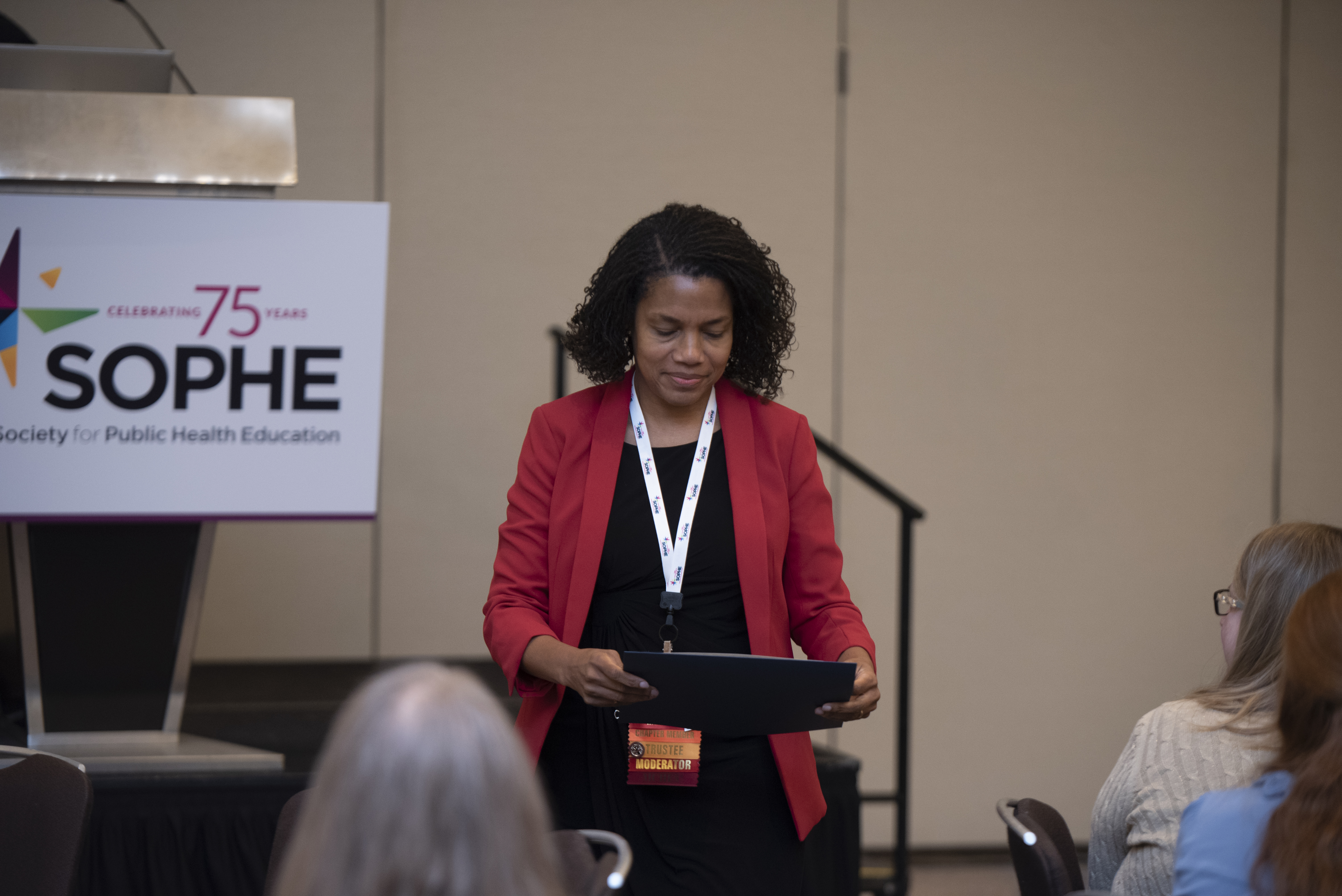
In the fast-paced world of business, events play a critical role in networking, branding, and engagement. Whether it’s a corporate gala, product launch, conference, or team-building retreat, capturing high-quality images ensures you get the most value out of your event. Professional event photography not only documents the occasion but also serves as powerful marketing material for future promotions. To get the best results, proper preparation is essential. Here’s how to set your event up for photographic success.

A pre-event visit allows the photographer to assess lighting conditions, best vantage points, and potential challenges.

1. Define Your Photography Goals

Before the event, take the time to identify what you want to achieve with the photos. Are you looking for formal posed shots, candid interactions, or detailed images of the event setup? Knowing your objectives will help guide your photographer and ensure they capture the most important moments.

Consider:

  • Branding and sponsor visibility
  • Keynote speakers and VIPs
  • Audience engagement and networking
  • Event ambiance and decor
  • Team moments and behind-the-scenes interactions

2. Choose the Right Photographer

Not all photographers are created equal. Event photography requires experience, the ability to anticipate moments, and adaptability to various lighting and space constraints. A professional commercial photographer, like those at St Louis Commercial Photographers, has the technical skills, equipment, and expertise to deliver outstanding results.

3. Scout the Venue in Advance

A pre-event visit allows the photographer to assess lighting conditions, best vantage points, and potential challenges. If a venue walkthrough isn’t possible, providing a detailed layout or past event images can be helpful.

Consider:

  • Natural and artificial lighting sources
  • Venue restrictions on photography or flash usage
  • Best spots for group photos and brand placements

4. Plan for Lighting

Lighting is one of the most crucial factors in event photography. While many venues provide ambient lighting, it may not always be ideal for professional-quality images. Work with your photographer to determine if additional lighting, such as softboxes or reflectors, is needed.

5. Schedule Key Shots

A shot list helps ensure no critical moment is missed. Work with your photographer to create a list of must-have photos, including:

  • Speaker introductions
  • Award presentations
  • Attendee reactions
  • Candid networking moments
  • Group team photos

6. Coordinate with Event Staff

Clear communication between the event planners, AV team, and photographers is essential for smooth operations. Make sure photographers have access to key areas and can move around freely without interrupting the event flow.

7. Inform Attendees About Photography

Let your guests know that photography will be taking place, either through event signage or an announcement. This ensures guests are prepared and can opt out if necessary.

8. Leverage Post-Event Content

Your event images should serve more than just a one-time purpose. High-quality event photography can be repurposed for social media, website content, press releases, and marketing campaigns. Having a strategy for how and where you will use these images maximizes their impact.

Why Choose St Louis Commercial Photographers for Your Event Photography?

At St Louis Commercial Photographers, we bring decades of expertise to professional event photography. As a full-service commercial photography and video production company, we provide studio and on-location photography, video services, editing, and post-production. Our team of licensed drone pilots can capture unique aerial shots, and we specialize in repurposing content for multi-platform branding. Whether it’s an intimate private gathering or a large-scale corporate event, we have the experience, equipment, and creative eye to ensure your visuals stand out.

Since 1982, we’ve worked with businesses, marketing firms, and creative agencies across St. Louis, delivering premium imagery that enhances brand storytelling. With expertise in all file types, media styles, and post-production techniques, we ensure that your event photography aligns perfectly with your marketing goals.

Looking to capture your next event with professional, high-quality visuals? Contact St Louis Commercial Photographers today.

314-913-5626

stlouiscommercialphotographers@gmail.com

How to Edit Video and Photos Together for a Cohesive Look: A Comprehensive Guide for Corporate Photography and Video Productions

In the world of corporate content, achieving a unified look across video and photography is essential to maintaining your brand’s identity. Whether you’re working on a promotional video, a testimonial series, or a corporate video presentation, combining both mediums in a way that feels seamless requires careful planning, skillful editing, and a strong understanding of your brand’s visual style.

Adding a subtle texture or gradient overlay to a photo before transitioning into a video clip can help tie the two together visually, especially in moments where one medium fades into the other.

Understanding the Need for a Cohesive Look

When editing photos and video together, it’s essential to remember that these two mediums often serve different purposes. Videos convey movement, sound, and emotion, while photographs freeze a moment in time, showcasing static visual details. However, when brought together effectively, they can amplify each other, creating a cohesive and engaging narrative that elevates the overall production.

Here’s how to ensure your video and photo edits align for a seamless and visually appealing end result:

1. Start with a Unified Color Palette

One of the easiest ways to create a cohesive look between video and photography is to start with a consistent color palette. Color grading and color correction in video editing are key to ensuring that the video’s colors match the still photos. For instance, if your photographs have a warmer tone, you should aim to adjust your video’s color grading to reflect this tone.

When using a color palette, it’s crucial to consider both the background elements and the subject matter in the shots. Color harmony between the two mediums will help them feel part of the same visual language, making transitions smoother and the narrative more impactful.

2. Consistent Lighting Is Key

Lighting is one of the most fundamental components in both photography and video production. To achieve a cohesive look between video and photos, ensure that the lighting setup used for both mediums is consistent. For example, if your photos are lit with soft, diffused lighting, it’s essential to recreate the same effect in your video.

At St Louis Commercial Photographers, we offer a private studio lighting and visual setup that’s perfect for small productions and interview scenes. Our lighting setup can be easily adjusted to match the look of your photos, ensuring consistency across all visuals.

3. Matching Framing and Composition

While photography and video offer different creative opportunities, keeping similar framing and composition is crucial for maintaining visual continuity. If you shoot a portrait photo of an executive in a tight frame, and then use a wide shot in your video, it may create a disjointed feel.

Consider framing your shots in both video and photo production with the same or similar focal lengths, camera angles, and framing styles. By doing so, you’re ensuring that both mediums appear to come from the same visual world, avoiding abrupt changes in style that could distract the audience.

4. Use of Motion and Static Elements

The way you incorporate motion into your video footage can also impact how it blends with still images. For instance, if you’re working on an interview-style video, you may want to edit your video in a way that incorporates subtle movements—like a slight zoom or slow panning—to keep the visual interest.

When combining photographs with these types of video clips, you’ll want to carefully place the images to complement the pacing and rhythm of the video. Using photographs as static cutaways during slower parts of the video can give a seamless visual experience without disrupting the overall flow.

5. Textures and Overlays to Enhance Transitions

Another effective way to integrate video and photos is by using texture overlays or custom transitions between shots. Adding a subtle texture or gradient overlay to a photo before transitioning into a video clip can help tie the two together visually, especially in moments where one medium fades into the other.

These kinds of visual tricks can also be used to enhance corporate branding. By using your brand’s logo or color scheme subtly throughout your production, you can create a polished and professional look that’s unmistakably yours.

6. Audio Consistency

Though this is not a direct visual element, audio plays a vital role in creating a unified look between video and photo content. If your video features background music or sound effects, ensure that these elements blend seamlessly with the pace and tone of your still images. For instance, if your photos are serious and corporate, the background music in your video should reflect that same tone to keep everything cohesive.

7. Post-Production Editing: Combining Both Media

Once you’ve captured both the video and photography content, the real magic happens in post-production. This is where you can fine-tune colors, lighting, and framing to achieve the perfect balance between your video clips and photos.

When working with mixed media, video editing software allows you to layer photos over video footage, adjust their opacity, apply filters, and align them with video timing. For example, you can have a photo fade in and out of the video as the camera pans, or use stills as overlays during text-driven transitions.

At St Louis Commercial Photographers, we specialize in full-service editing and post-production. Whether you need to repurpose your photography and video branding or integrate both mediums flawlessly, our team is well-equipped to handle all aspects of the editing process.


Why Choose St Louis Commercial Photographers for Your Corporate Video and Photography Needs

At St Louis Commercial Photographers, we understand the art and science of combining video and photography to create a unified, compelling narrative. Since 1982, we’ve been delivering top-tier commercial photography and video production services to businesses, marketing firms, and agencies throughout the St. Louis area.

Our team is made up of experienced professionals who are well-versed in all media types, file formats, and editing software to ensure that your visuals are perfect. Whether you need full-service studio and location video and photography, expert editing and post-production, or specialized drone services, we have everything you need to make your production a success.

We also specialize in repurposing your existing video and photo assets to gain more traction for your brand. With our private studio setup, we can create custom interview environments, offer sound and camera operators, and provide equipment that’s perfect for any production.

Let us help bring your corporate content to life with professional, cohesive visuals that tell your brand’s story.


By following these guidelines and working with a skilled team, you can ensure that your video and photography work together to create a seamless and compelling experience for your audience. Reach out to St Louis Commercial Photographers today to get started on your next project!

314-913-5626

stlouiscommercialphotographers@gmail.com

Why Construction Site Photography Matters for Your Projects

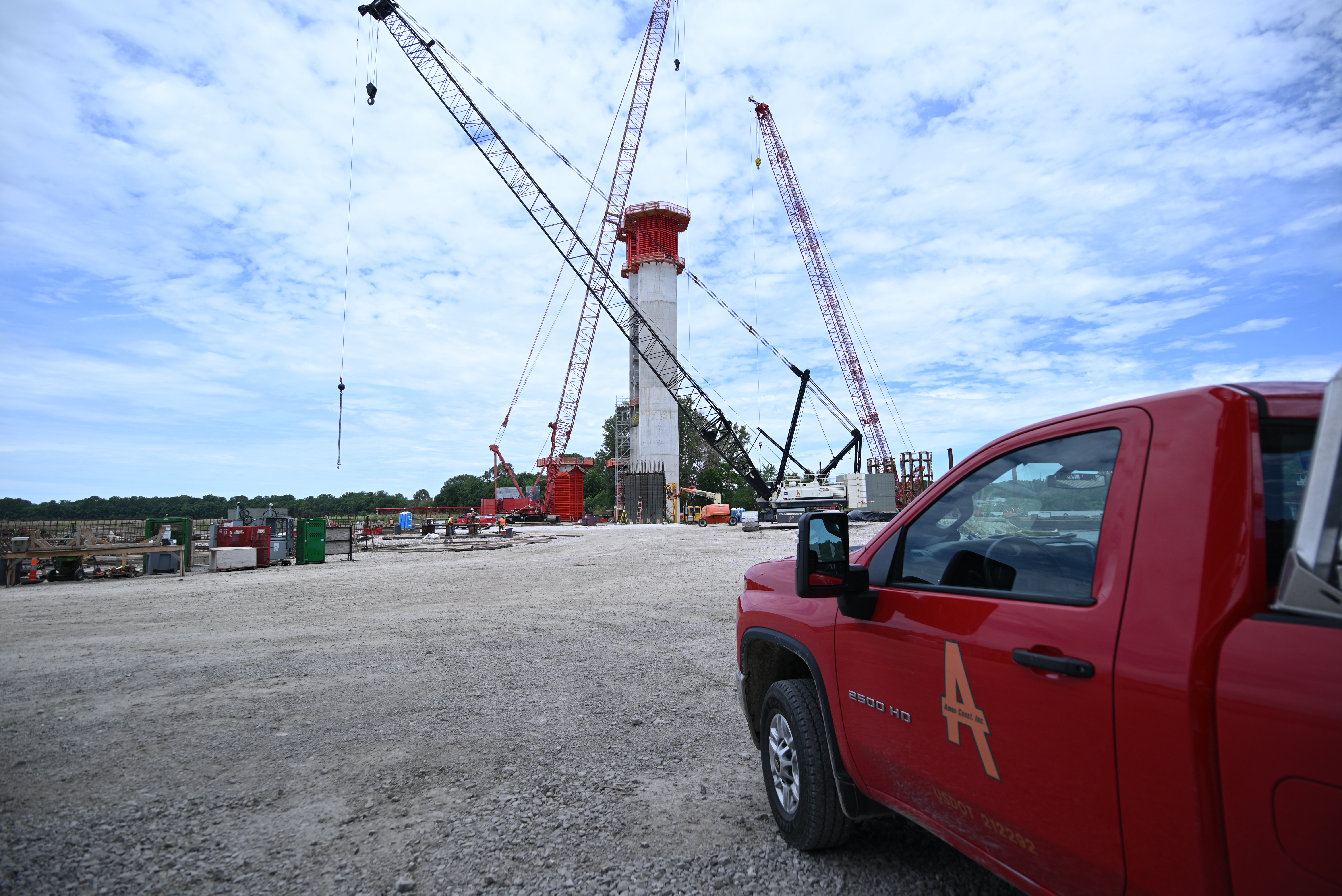
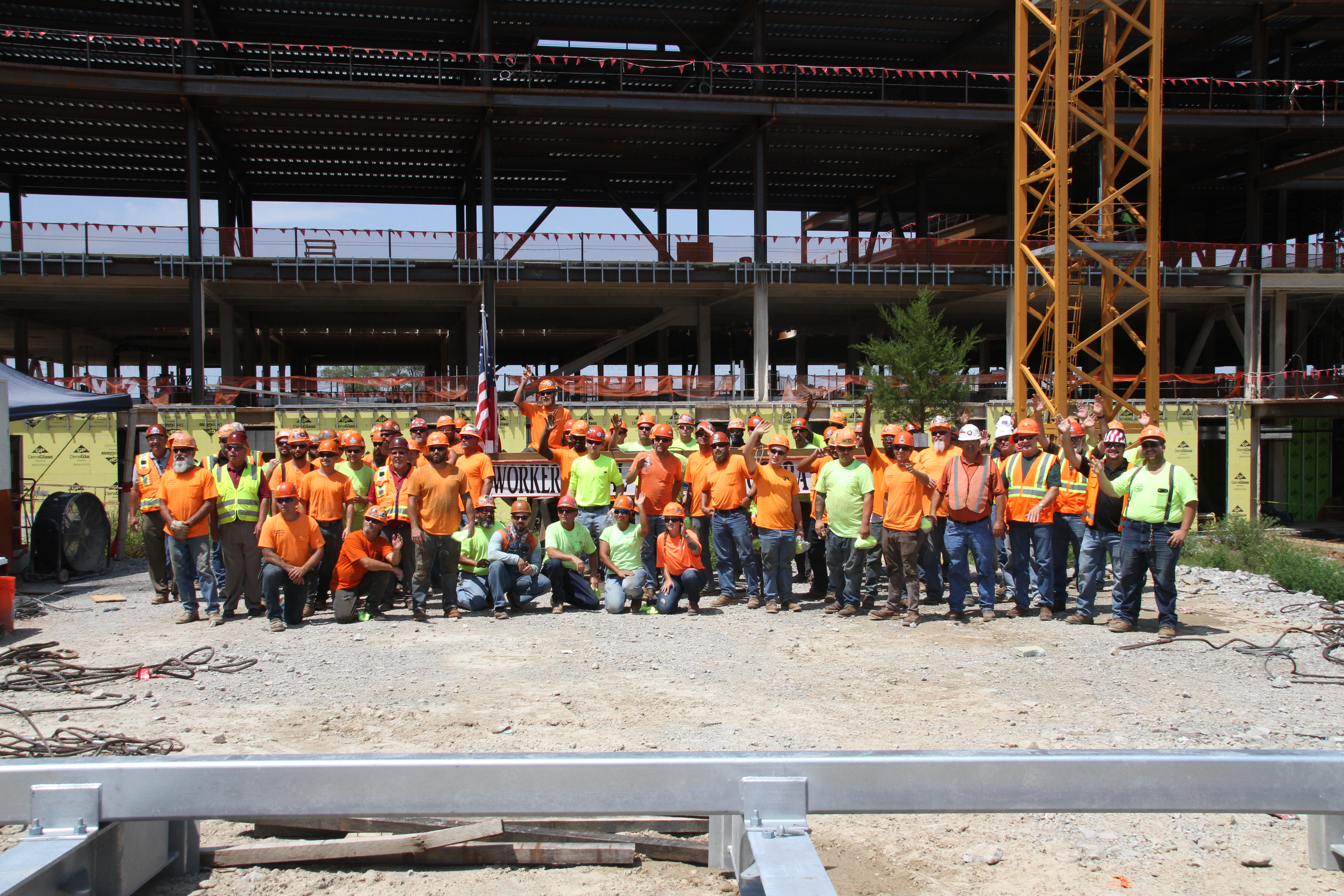
In the construction industry, visual documentation plays a critical role in capturing the progress, details, and overall essence of a project. High-quality construction site photography not only offers an accurate representation of the work but also enhances project management, marketing, and client relations. Here’s why construction site photography should be a central component of your next project, and how professional photographers and videographers can make a difference.

From initial site preparation to final finishes, professional construction photography captures each phase, providing visual records that can be referenced by both contractors and clients.

1. Documenting Project Progress

Construction projects are dynamic, with timelines that span months, if not years. Regular photography ensures that progress is well-documented and can be reviewed at any time. From initial site preparation to final finishes, professional construction photography captures each phase, providing visual records that can be referenced by both contractors and clients.

Regularly updated photos help construction managers assess the progress of the project, identify potential problems early, and ensure that work is proceeding according to schedule. When these photos are taken with high-quality equipment, they can also serve as useful references for resolving disputes or verifying milestones.

2. Marketing and Branding Your Project

High-quality images of a construction site can be a powerful marketing tool for both contractors and developers. These photos can be used for websites, brochures, social media, and investor presentations, providing a polished and professional image of your work.

Professional photographers and videographers have the expertise to create compelling visuals that tell the story of a construction project from start to finish. They know how to highlight your project’s key features while ensuring the quality of the image reflects your commitment to excellence.

3. Enhancing Client Relationships

A visual record of a construction project is a great way to keep your clients engaged throughout the duration of the project. Regular updates can be provided through photo reports, which keep clients informed about the project’s development. This transparency fosters trust, improves communication, and strengthens your relationship with the client.

Additionally, documenting the quality and craftsmanship of each stage of the build can be an excellent way to showcase your company’s work to potential clients. It provides tangible evidence of your abilities and helps differentiate you from competitors.

4. Insurance and Liability Protection

Construction site photography can also serve as a crucial safeguard when it comes to insurance and liability. By taking high-resolution images of the construction site before, during, and after the project, you create an official record that can be invaluable in case of disputes, accidents, or insurance claims.

Documenting the site in great detail helps protect both your business and your client, offering a clear understanding of the site’s condition at every stage. It’s a proactive way to avoid any misunderstandings that might arise later.

5. Meeting Legal and Regulatory Requirements

In many cases, local regulations or building codes require visual documentation of certain stages of construction. Whether it’s a permit inspection or ensuring compliance with environmental regulations, construction site photography can be used to meet these requirements.

Having professional photos taken ensures that all visual records comply with necessary standards, while also providing a historical reference should you need to prove adherence to safety or building codes.

6. Aerial Photography for Wider Context

In some construction projects, aerial photography can give a unique perspective that ground-level photos can’t capture. Using specialized drones, professional photographers can capture wide-angle shots of the entire construction site, providing a detailed view of the entire layout, surrounding area, and project scope.

Aerial imagery can be especially useful for large-scale projects, helping stakeholders visualize the site’s context in relation to its surroundings, or for tracking progress over a longer time frame.

How St. Louis Commercial Photographers Can Help

At St Louis Commercial Photographers, we have over 40 years of experience in commercial photography and video production. Our team is equipped with the right tools and expertise to deliver exceptional construction site photography that meets your needs. Whether you need on-site photography for project updates, marketing materials, or insurance documentation, we have you covered.

We offer full-service studio and location video and photography, as well as editing, post-production, and licensed drone pilots. Our experienced creative crew can customize your productions for diverse media requirements, ensuring that every shot aligns with your vision. Whether you need to repurpose your photography and video branding for wider traction or simply require detailed site documentation, we can handle it.

Our private studio offers a versatile space for small productions and interview scenes, while our large-scale setup can accommodate props to complete your set. We can also handle full-scale productions, from setting up custom interview studios to providing sound and camera operators. We are well-versed in all media styles, file types, and the latest software tools to ensure a smooth production process.

With St Louis Commercial Photographers, you can count on us to help you every step of the way—from capturing the finest details of your construction site to creating high-quality images that showcase the essence of your work. As a full-service commercial photography and video production company, we’ve worked with countless businesses, marketing firms, and agencies in the St. Louis area since 1982, and we’re ready to bring that expertise to your next project.

Let us help you capture the visual story of your next construction project and turn it into a powerful asset for your business.

314-913-5626

stlouiscommercialphotographers@gmail.com

Exploring Different Creative Lighting Trends in Product Photography

In the world of commercial photography, product photography is a unique and specialized field. It requires a deep understanding of lighting, composition, and the ability to highlight the features of a product effectively. As an experienced product photographer at St. Louis Commercial Photographers, I’m here to take you on a journey through the fascinating world of creative lighting trends in product photography.

Color gels can be used creatively to match a product’s branding or to add a touch of drama to the image.

Product photography is all about showcasing products in the best possible way, making them look appealing and enticing to potential customers. The right lighting can make all the difference, transforming a mundane product into a work of art. In this article, we will explore some of the latest creative lighting trends that can help you achieve stunning product shots.

The Importance of Creative Lighting in Product Photography

Before diving into the trends, let’s first understand why creative lighting is crucial in product photography. Lighting plays a pivotal role in setting the mood, creating depth, and emphasizing the product’s features. It can evoke emotions and tell a story about the product, making it more relatable to the audience.

Poorly lit product images can make even the most exceptional products look dull and unattractive. On the other hand, strategically applied creative lighting can make a product pop, emphasizing its texture, shape, and color. It can make a viewer feel like they can reach out and touch the product.

Now, let’s explore some of the innovative lighting techniques that professional product photographers are using today.

1. Natural Light Photography

Natural light is one of the most sought-after lighting sources in product photography. It offers a soft, even illumination that can beautifully highlight the product’s details without harsh shadows. Photographers often use diffusers or reflectors to control and enhance natural light.

One popular approach is to shoot near a large window or in an outdoor setting during the golden hour—the period shortly after sunrise or before sunset—when the light is warm and flattering. This soft, warm light can make products look inviting and cozy.

2. Studio Lighting with Softboxes

In a controlled studio environment, softboxes are widely used to create soft, diffused lighting. These large, rectangular or square boxes emit uniform light, minimizing harsh shadows and reflections. They are especially effective for photographing reflective or glossy products like jewelry or glassware.

By strategically positioning softboxes at different angles, photographers can achieve the desired level of illumination and shadow definition, giving products a three-dimensional look.

3. Rim Lighting for Drama

Rim lighting is a technique that involves placing a light source behind the product, creating a halo or outline around its edges. This technique adds depth and drama to the image, making the product stand out from the background.

Rim lighting is often used for products with interesting contours or textures, such as electronics or cosmetics packaging. It creates a striking contrast between the product and its surroundings.

4. Light Painting

Light painting is a highly creative technique where photographers use handheld light sources, such as flashlights or LED panels, to selectively illuminate different parts of the product. By carefully controlling the direction and intensity of the light, photographers can emphasize specific details or create unique visual effects.

This technique is particularly popular for photographing products with intricate designs or textures, as it allows for precise control over which areas are illuminated.

5. Color Gels for Mood Enhancement

Color gels are translucent sheets placed in front of light sources to add a colored tint to the lighting. This technique is used to create mood and atmosphere in product photography. Different colors can evoke various emotions and associations.

For example, warm colors like red and orange can convey a sense of warmth and comfort, while cooler colors like blue and green can create a calm and serene atmosphere. Color gels can be used creatively to match a product’s branding or to add a touch of drama to the image.

6. High-Key and Low-Key Lighting

High-key lighting involves using predominantly bright, even lighting to create a clean and minimalist look. It’s often used for products that require a fresh and airy aesthetic, such as beauty products or high-end fashion items.

Conversely, low-key lighting relies on strong contrasts between light and shadow, resulting in a more dramatic and moody atmosphere. This technique is suitable for products that want to convey a sense of mystery or luxury, like high-end watches or perfumes.

7. Multiple Light Sources for Texture

To highlight texture and surface details, photographers often employ multiple light sources. By carefully positioning and adjusting these sources, they can create interesting highlights and shadows that bring out the product’s tactile qualities.

This technique is commonly used for products like clothing, accessories, or textiles, where texture is a key selling point. It can make fabrics appear soft and inviting or emphasize the intricate patterns and weaves.

8. Practical Lighting Props

Sometimes, using practical props like candles, lanterns, or string lights can add a unique touch to product photography. These props not only provide additional sources of illumination but also create a cozy and inviting ambiance.

For instance, using string lights to create a warm, twinkling background can make a product feel festive and celebratory, perfect for holiday-themed marketing campaigns.

9. Focus Stacking for Maximum Sharpness

Focus stacking is a technique that involves taking multiple images of the same product at different focus points and then merging them in post-production. This results in a final image with exceptional depth of field and sharpness throughout.

Focus stacking is particularly useful for products with intricate details or those shot at close distances, such as macro photography of jewelry or small electronics.

10. Subtractive Lighting Techniques

In some cases, photographers use subtractive lighting techniques to create dramatic effects. This involves strategically blocking or reducing the amount of light reaching certain areas of the product, creating shadows and enhancing contrast.

Subtractive lighting can be used to create striking silhouettes or to draw attention to specific parts of the product, such as a logo or a unique feature.

Conclusion

In the world of product photography, creative lighting is an indispensable tool for creating compelling and visually appealing images. Each of the lighting techniques mentioned above has its own unique characteristics and can be applied to different types of products based on their features, branding, and target audience.

As a full-service photographer, St. Louis Commercial Photographers has extensive experience in harnessing these creative lighting trends to capture stunning product shots that resonate with your audience. Our team possesses the right equipment and the creative expertise needed to bring out the best in your products. Whether you require studio or location photography, image editing and retouching, or customized product images for various media requirements, we have you covered.
With a proven track record of working with businesses and agencies in the St. Louis area, St. Louis Commercial Photographers understands the unique photography needs of our local clients. We are proficient in handling various file types and styles of media, along with the accompanying software to ensure your branding images are optimized for maximum impact.

If you’re ready to elevate your product photography and showcase your products in the best light possible, reach out to St. Louis Commercial Photographers today. Let us bring our wealth of experience and creative vision to your next project, ensuring your products shine and captivate your audience.

Contact us now to discuss your product photography needs and experience the St. Louis Commercial Photographers difference.

314-913-5626

stlouiscommercialphotographers@gmail.com