Tag Archives: blog

How to Make Your Service Business Photos Look More Professional (and Why It Matters)

In today’s visually driven marketplace, your photos are often the first impression customers have of your service business. Whether you’re a law firm, construction contractor, medical provider, or consultant, the quality of your imagery reflects the quality of your services. Professional-looking photos can help establish trust, attract more business, and set you apart from competitors—especially in digital spaces where imagery dominates.

Here’s how you can make your service business photos look more professional—and why partnering with the right production team can make all the difference.


1. Start with Strategy, Not the Shutter

Before a single photo is taken, define the purpose of your shoot. Are the photos for a website, brochure, email campaign, or social media? Different platforms require different compositions, file types, and orientations. Professional photographers will collaborate with you to determine the messaging and style that fits your brand identity and target audience.

Tip: Use a mood board or visual reference examples to help communicate the tone you want—whether polished and corporate, warm and welcoming, or rugged and industrious.


2. Invest in Location and Lighting

Lighting is the most critical element in creating high-end imagery. Natural light can be beautiful but inconsistent, while fluorescent office lighting can make even the best setting feel dull and washed out.

Professional photographers will use lighting modifiers, strobes, or continuous lights to enhance your environment—whether that’s a modern office, a job site, or a manufacturing floor. If you’re capturing team portraits or action shots, even lighting ensures every detail is sharp and every face is evenly lit.

Bonus: A professional studio setting can provide a clean, branded backdrop for headshots or testimonials, lending consistency across your marketing visuals.

3. Use People Authentically

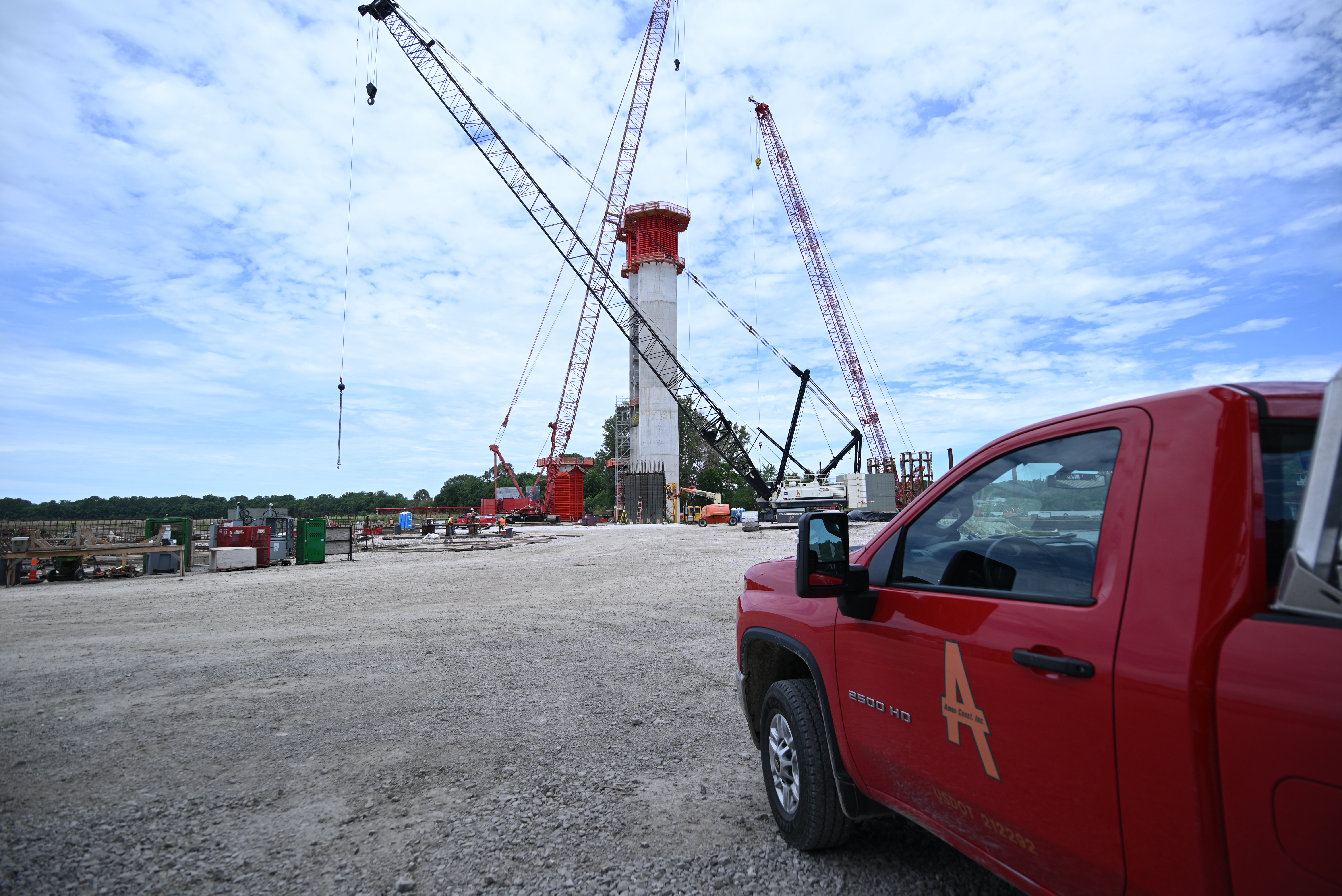
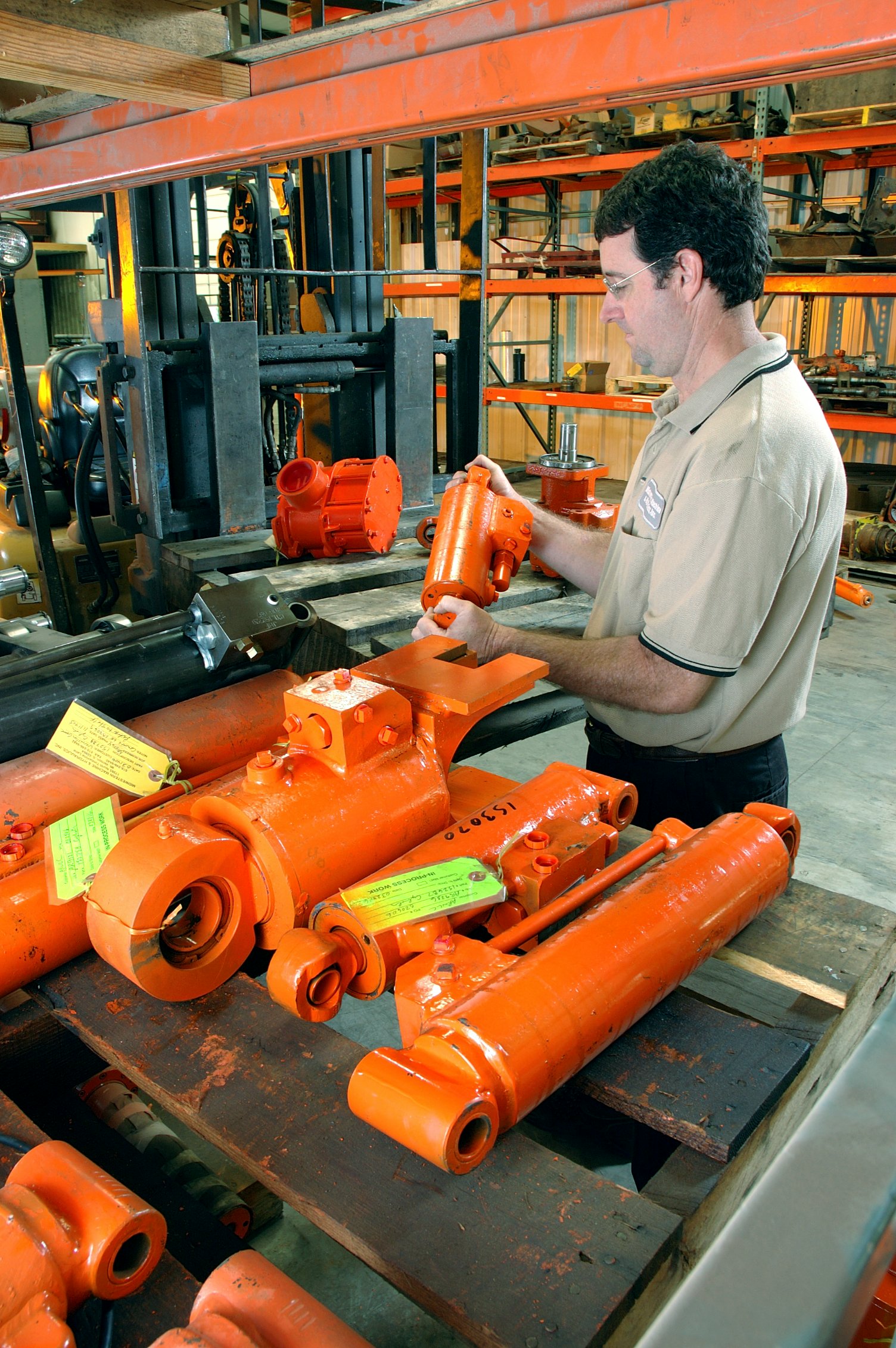
Stock images of anonymous models shaking hands are no longer effective. Audiences want real people and real places. Show your team in action—greeting customers, working with equipment, or solving problems.

If your staff is camera-shy, an experienced photographer can help them relax and look natural. Direction on posture, facial expression, and body language is essential for photos that feel candid but polished.


4. Composition Matters

The difference between amateur and professional photography often lies in composition. Professional photographers understand framing, leading lines, depth of field, and how to use space to tell a visual story.

For example, wide shots can showcase your environment, while tight shots emphasize the craftsmanship or detail of your work. A good photographer will compose images that highlight your brand’s strengths visually—without clutter, distractions, or unflattering angles.


5. Retouching and Post-Production Polish

Even the best photos can benefit from thoughtful retouching. Color grading, exposure balancing, background cleanup, and cropping help ensure your images look consistent across platforms. Professional editing also includes file optimization for web, print, and mobile formats—so your brand looks its best everywhere.


6. Use AI and Technology to Your Advantage

AI is revolutionizing photography by enabling faster background replacements, smart object removal, and enhanced resolution scaling. At St Louis Commercial Photographers, we incorporate AI tools to deliver consistent, professional-grade results—without compromising authenticity.


Why Choose St Louis Commercial Photographers?

At St Louis Commercial Photographers, we specialize in making service businesses look exceptional through strategic, high-quality visual storytelling. We are a full-service professional commercial photography and video production company, equipped with the right technology, lighting setups, and creative crew to handle every production detail. From studio and location photography to editing, post-production, and licensed drone operations—including specialized indoor drone flight—we tailor each shoot to meet your media needs.

Whether you’re creating a company overview video, executive portraits, action shots, or promotional visuals, we support every stage of your production. Our private studio can be customized with props and branded elements for one-of-a-kind results. We also excel in repurposing your photography and video branding for multiple platforms to gain more marketing traction.

Since 1982, we’ve worked with businesses, marketing firms, and agencies across the St. Louis region. Our deep understanding of professional image acquisition and modern AI-powered tools ensures your next campaign is both stunning and successful.

Let us elevate your brand—one expertly crafted image at a time.


Ready to upgrade your service business visuals?
Contact St Louis Commercial Photographers today to start planning your next impactful photo or video project.

314-913-5626

stlouiscommercialphotographers@gmail.com

Simple Ways to Organize Your Event Photos After the Day: A Guide for Businesses and Organizations

Planning and executing a major event—whether a conference, product launch, gala, or corporate retreat—is a massive undertaking. But once the applause dies down and the guests have gone home, you’re left with something just as valuable as the event itself: your professional event photos.

However, for many marketing directors, project managers, and business owners, the real challenge begins after the event—figuring out how to efficiently organize, categorize, and use hundreds (sometimes thousands) of images to maximize your return on investment.

At St Louis Commercial Photographers, we understand that the right system for post-event photo organization can save time, boost marketing opportunities, and make every event more impactful. Here’s a practical guide to keeping your event images organized and ready for use.


1. Create a Centralized Storage Location

Immediately after your event, create a master folder on your company server or a secure cloud storage platform (such as Dropbox, Google Drive, or OneDrive).
Tip: Always label the folder clearly using the event name and date. Example:
“2025_ProductLaunch_May07”

Keep raw files, edited images, and web-ready versions in subfolders. This reduces clutter and ensures you can quickly find the right version of any image later.


2. Use a Consistent Naming System

When event photos come in, the first instinct is often to leave them as is (e.g., IMG_1234.jpg). Resist the urge. Rename your files using a simple, logical naming convention like:
EventName_Description_Number.jpg
Example: ProductLaunch_SpeakerOnStage_001.jpg

Batch renaming software like Adobe Bridge or NameChanger can make this quick and painless.


3. Sort Images by Category or Moment

For maximum efficiency and marketing flexibility, sort photos into logical folders, such as:

  • Speakers and Panels
  • Attendee Engagement
  • Branding and Signage
  • Candid Networking Shots
  • Award Ceremonies
  • Product Displays
  • VIP Guests

Organizing by scene or theme makes it easier to repurpose images for marketing, social media, or internal reporting down the line.


4. Select and Flag “Hero” Images

Every event has a handful of standout images—those “hero” shots that define the mood, energy, and success of the day.
Select a small group of these (usually 20–30) and tag or move them to a special “Highlights” folder. These photos should be your go-tos for press releases, case studies, website updates, and promotional use.


5. Tag Images with Metadata

Adding metadata (descriptive keywords) makes it easier to search through your library later.
Use keywords like:

  • Event Name
  • Year
  • Location
  • Type of Event
  • Notable Names (speakers, award winners, special guests)

Many photo editing programs like Adobe Lightroom allow batch metadata entry, making this step efficient.


6. Back Up Your Files—Immediately

Redundancy is key. Always back up your organized photos in at least two separate locations:

  • A secure cloud storage platform
  • An external hard drive or local server

Losing your event photos could mean losing valuable marketing assets forever.


7. Prepare a Ready-to-Go Image Kit

Once everything is organized, create a small “Event Image Kit” folder that includes:

  • A few hero images (high resolution and web-ready versions)
  • A short caption file for each
  • Brand logo files
  • Press release drafts (if applicable)

This makes it fast and simple for your marketing team, media contacts, or internal stakeholders to access professional, branded content when they need it.


8. Review and Archive Periodically

Set a recurring calendar reminder—perhaps once every quarter—to review your image archive. Remove duplicates, update keywords, and make sure backup systems are still functioning. Keeping your archive clean ensures it remains a valuable resource year after year.


Why Professional Post-Event Organization Matters

Well-organized event photography isn’t just about good housekeeping—it’s about unlocking the full marketing potential of your investment. Properly curated photos extend the life of your event well beyond a single day, providing ready-to-use visual assets for:

  • Social media campaigns
  • Annual reports
  • Internal newsletters
  • Website updates
  • Recruitment materials
  • Future event promotions

A little strategic organization goes a long way.


Why Trust St Louis Commercial Photographers for Your Event Photography and Production Needs?

At St Louis Commercial Photographers, we are more than just photographers — we are your creative production partners. As a full-service professional commercial photography and video production company, we bring the right equipment, expert crew, and decades of experience to every project to ensure successful image acquisition every time.

We offer full-service studio and location video and photography, including editing, post-production, and licensed drone pilots for aerial imagery. We customize every production to meet diverse media requirements, from traditional commercial photography to cutting-edge video productions.

We also specialize in repurposing your photography and video branding to help you gain greater traction across platforms. Our team is well-versed in all file types, styles of media, and professional software. We leverage the latest Artificial Intelligence technologies to enhance all our media services, ensuring you receive efficient, cutting-edge results.

Our private studio lighting and visual setups are perfect for small productions and interview scenes, and our large studio space allows us to integrate props and custom set designs when needed. We offer full production support, including private custom interview setups, sound and camera operators, and complete equipment packages to make your next project seamless. Plus, we can even fly our specialized drones indoors for unique, dynamic shots.

Since 1982, St Louis Commercial Photographers has proudly served businesses, marketing firms, and creative agencies across the St. Louis area, consistently delivering top-tier marketing photography and video content.

When you need expertise you can count on—and results that drive engagement and brand success—trust St Louis Commercial Photographers to bring your vision to life.

314-913-5626

stlouiscommercialphotographers@gmail.com

Location Photos: How to Get Permission — A Guide for Marketing and Media Decision Makers

When planning a commercial photo or video shoot outside of a studio, obtaining the right permissions is crucial. Whether you’re producing a brand campaign, a corporate video, or social media content, location imagery adds authenticity and visual interest—but shooting without proper clearance can derail your entire project.

As experienced professionals at St Louis Commercial Photographers, we’ve helped clients navigate the logistics of location photography for decades. In this guide, we’ll walk you through how to get permission to shoot at your desired location, key legal and logistical considerations, and why having an experienced production partner makes all the difference.


Why Permission Matters for Commercial Photography and Video

Location permission isn’t just a formality—it’s a legal and creative necessity. Using private or public property without proper consent can result in:

  • Fines or legal action
  • Production delays or forced cancellations
  • Post-production complications, especially if location release documentation is requested by distributors, broadcasters, or digital platforms

Even more, failure to secure the correct permissions can damage your brand’s reputation. That’s why proactive planning and location management are integral to a smooth and professional shoot.


Types of Locations and What’s Required

Let’s break down common location types and the typical permissions required:

1. Private Property (Offices, Retail Stores, Homes, Warehouses)

You’ll need:

  • Location release form signed by the property owner or manager
  • Proof of liability insurance, often required by property managers
  • Sometimes, a usage fee or rental agreement may apply

2. Public Spaces (Parks, Streets, Government Buildings)

You’ll need:

  • Permit from the local municipality or park district
  • Possible special event insurance coverage
  • Coordination with local authorities, especially for large crews or street closures

3. Corporate and Institutional Locations (Hospitals, Schools, Libraries)

You’ll need:

  • Administrative approval (often from legal or marketing departments)
  • Written consent forms
  • In some cases, proof of background checks or NDAs for crew members

Key Steps to Securing Permission

Step 1: Scout Early and Research Ownership

Use city GIS maps, property records, or your production partner to determine who owns the location. This will inform who you need to approach for permission.

Step 2: Draft and Present a Location Release Form

This document should include:

  • Shoot date(s) and time(s)
  • Number of crew members
  • Type of equipment being used (cameras, lights, drones, etc.)
  • Intended media usage (TV, web, social, internal, etc.)

Step 3: Obtain Insurance Certificates

Most property owners will require you to carry and present a certificate of insurance (COI) listing them as additionally insured for the day(s) of the shoot.

Step 4: Communicate Respectfully

A professional tone goes a long way. Explain the scope of the project, how you plan to respect the property, and how your team will clean up and restore the location.

Step 5: Follow Up in Writing

Once permission is granted, get it in writing. A signed location agreement protects you if ownership changes or questions arise after the shoot.


Bonus Consideration: Drone Flights on Location

Using drones for aerial or interior shots adds dynamic range to your content. However, you’ll need:

  • FAA approval (if flying outdoors)
  • Indoor flight clearance from the property owner
  • Certified and insured drone operators

Our team at St Louis Commercial Photographers includes licensed drone pilots experienced in both exterior and indoor drone photography, eliminating this burden from your workflow.


Why Work With St Louis Commercial Photographers?

Securing the right locations and handling permissions is just one part of a successful commercial shoot. At St Louis Commercial Photographers, we provide a complete, worry-free experience:

  • We’re a full-service professional commercial photography and video production company with the right equipment and creative crew to deliver effective image acquisition every time.
  • Our services include studio and location video and photography, editing, post-production, and licensed drone operation—all customizable for your unique media needs.
  • We specialize in repurposing your photo and video branding for maximum reach across various platforms.
  • With deep expertise in all media file types, styles, and software, we ensure smooth delivery and future-proof assets.
  • Our private studio setup is ideal for interviews, with enough room for props and custom sets.
  • From sound and camera operators to studio and drone equipment, we offer everything required for your next successful production.
  • We’ve proudly served the St. Louis business and creative community since 1982, partnering with marketing firms, agencies, and businesses across industries.

Ready to book a location shoot?
Let St Louis Commercial Photographers manage every step—from obtaining permissions to capturing stunning, usable media that elevates your brand. Contact us today to discuss your vision and schedule your production.

314-913-5626

stlouiscommercialphotographers@gmail.com

How to Prep for Event Photos: Pro Tips for Success

In the fast-paced world of business, events play a critical role in networking, branding, and engagement. Whether it’s a corporate gala, product launch, conference, or team-building retreat, capturing high-quality images ensures you get the most value out of your event. Professional event photography not only documents the occasion but also serves as powerful marketing material for future promotions. To get the best results, proper preparation is essential. Here’s how to set your event up for photographic success.

A pre-event visit allows the photographer to assess lighting conditions, best vantage points, and potential challenges.

1. Define Your Photography Goals

Before the event, take the time to identify what you want to achieve with the photos. Are you looking for formal posed shots, candid interactions, or detailed images of the event setup? Knowing your objectives will help guide your photographer and ensure they capture the most important moments.

Consider:

  • Branding and sponsor visibility
  • Keynote speakers and VIPs
  • Audience engagement and networking
  • Event ambiance and decor
  • Team moments and behind-the-scenes interactions

2. Choose the Right Photographer

Not all photographers are created equal. Event photography requires experience, the ability to anticipate moments, and adaptability to various lighting and space constraints. A professional commercial photographer, like those at St Louis Commercial Photographers, has the technical skills, equipment, and expertise to deliver outstanding results.

3. Scout the Venue in Advance

A pre-event visit allows the photographer to assess lighting conditions, best vantage points, and potential challenges. If a venue walkthrough isn’t possible, providing a detailed layout or past event images can be helpful.

Consider:

  • Natural and artificial lighting sources
  • Venue restrictions on photography or flash usage
  • Best spots for group photos and brand placements

4. Plan for Lighting

Lighting is one of the most crucial factors in event photography. While many venues provide ambient lighting, it may not always be ideal for professional-quality images. Work with your photographer to determine if additional lighting, such as softboxes or reflectors, is needed.

5. Schedule Key Shots

A shot list helps ensure no critical moment is missed. Work with your photographer to create a list of must-have photos, including:

  • Speaker introductions
  • Award presentations
  • Attendee reactions
  • Candid networking moments
  • Group team photos

6. Coordinate with Event Staff

Clear communication between the event planners, AV team, and photographers is essential for smooth operations. Make sure photographers have access to key areas and can move around freely without interrupting the event flow.

7. Inform Attendees About Photography

Let your guests know that photography will be taking place, either through event signage or an announcement. This ensures guests are prepared and can opt out if necessary.

8. Leverage Post-Event Content

Your event images should serve more than just a one-time purpose. High-quality event photography can be repurposed for social media, website content, press releases, and marketing campaigns. Having a strategy for how and where you will use these images maximizes their impact.

Why Choose St Louis Commercial Photographers for Your Event Photography?

At St Louis Commercial Photographers, we bring decades of expertise to professional event photography. As a full-service commercial photography and video production company, we provide studio and on-location photography, video services, editing, and post-production. Our team of licensed drone pilots can capture unique aerial shots, and we specialize in repurposing content for multi-platform branding. Whether it’s an intimate private gathering or a large-scale corporate event, we have the experience, equipment, and creative eye to ensure your visuals stand out.

Since 1982, we’ve worked with businesses, marketing firms, and creative agencies across St. Louis, delivering premium imagery that enhances brand storytelling. With expertise in all file types, media styles, and post-production techniques, we ensure that your event photography aligns perfectly with your marketing goals.

Looking to capture your next event with professional, high-quality visuals? Contact St Louis Commercial Photographers today.

314-913-5626

stlouiscommercialphotographers@gmail.com

How to Edit Video and Photos Together for a Cohesive Look: A Comprehensive Guide for Corporate Photography and Video Productions

In the world of corporate content, achieving a unified look across video and photography is essential to maintaining your brand’s identity. Whether you’re working on a promotional video, a testimonial series, or a corporate video presentation, combining both mediums in a way that feels seamless requires careful planning, skillful editing, and a strong understanding of your brand’s visual style.

Adding a subtle texture or gradient overlay to a photo before transitioning into a video clip can help tie the two together visually, especially in moments where one medium fades into the other.

Understanding the Need for a Cohesive Look

When editing photos and video together, it’s essential to remember that these two mediums often serve different purposes. Videos convey movement, sound, and emotion, while photographs freeze a moment in time, showcasing static visual details. However, when brought together effectively, they can amplify each other, creating a cohesive and engaging narrative that elevates the overall production.

Here’s how to ensure your video and photo edits align for a seamless and visually appealing end result:

1. Start with a Unified Color Palette

One of the easiest ways to create a cohesive look between video and photography is to start with a consistent color palette. Color grading and color correction in video editing are key to ensuring that the video’s colors match the still photos. For instance, if your photographs have a warmer tone, you should aim to adjust your video’s color grading to reflect this tone.

When using a color palette, it’s crucial to consider both the background elements and the subject matter in the shots. Color harmony between the two mediums will help them feel part of the same visual language, making transitions smoother and the narrative more impactful.

2. Consistent Lighting Is Key

Lighting is one of the most fundamental components in both photography and video production. To achieve a cohesive look between video and photos, ensure that the lighting setup used for both mediums is consistent. For example, if your photos are lit with soft, diffused lighting, it’s essential to recreate the same effect in your video.

At St Louis Commercial Photographers, we offer a private studio lighting and visual setup that’s perfect for small productions and interview scenes. Our lighting setup can be easily adjusted to match the look of your photos, ensuring consistency across all visuals.

3. Matching Framing and Composition

While photography and video offer different creative opportunities, keeping similar framing and composition is crucial for maintaining visual continuity. If you shoot a portrait photo of an executive in a tight frame, and then use a wide shot in your video, it may create a disjointed feel.

Consider framing your shots in both video and photo production with the same or similar focal lengths, camera angles, and framing styles. By doing so, you’re ensuring that both mediums appear to come from the same visual world, avoiding abrupt changes in style that could distract the audience.

4. Use of Motion and Static Elements

The way you incorporate motion into your video footage can also impact how it blends with still images. For instance, if you’re working on an interview-style video, you may want to edit your video in a way that incorporates subtle movements—like a slight zoom or slow panning—to keep the visual interest.

When combining photographs with these types of video clips, you’ll want to carefully place the images to complement the pacing and rhythm of the video. Using photographs as static cutaways during slower parts of the video can give a seamless visual experience without disrupting the overall flow.

5. Textures and Overlays to Enhance Transitions

Another effective way to integrate video and photos is by using texture overlays or custom transitions between shots. Adding a subtle texture or gradient overlay to a photo before transitioning into a video clip can help tie the two together visually, especially in moments where one medium fades into the other.

These kinds of visual tricks can also be used to enhance corporate branding. By using your brand’s logo or color scheme subtly throughout your production, you can create a polished and professional look that’s unmistakably yours.

6. Audio Consistency

Though this is not a direct visual element, audio plays a vital role in creating a unified look between video and photo content. If your video features background music or sound effects, ensure that these elements blend seamlessly with the pace and tone of your still images. For instance, if your photos are serious and corporate, the background music in your video should reflect that same tone to keep everything cohesive.

7. Post-Production Editing: Combining Both Media

Once you’ve captured both the video and photography content, the real magic happens in post-production. This is where you can fine-tune colors, lighting, and framing to achieve the perfect balance between your video clips and photos.

When working with mixed media, video editing software allows you to layer photos over video footage, adjust their opacity, apply filters, and align them with video timing. For example, you can have a photo fade in and out of the video as the camera pans, or use stills as overlays during text-driven transitions.

At St Louis Commercial Photographers, we specialize in full-service editing and post-production. Whether you need to repurpose your photography and video branding or integrate both mediums flawlessly, our team is well-equipped to handle all aspects of the editing process.


Why Choose St Louis Commercial Photographers for Your Corporate Video and Photography Needs

At St Louis Commercial Photographers, we understand the art and science of combining video and photography to create a unified, compelling narrative. Since 1982, we’ve been delivering top-tier commercial photography and video production services to businesses, marketing firms, and agencies throughout the St. Louis area.

Our team is made up of experienced professionals who are well-versed in all media types, file formats, and editing software to ensure that your visuals are perfect. Whether you need full-service studio and location video and photography, expert editing and post-production, or specialized drone services, we have everything you need to make your production a success.

We also specialize in repurposing your existing video and photo assets to gain more traction for your brand. With our private studio setup, we can create custom interview environments, offer sound and camera operators, and provide equipment that’s perfect for any production.

Let us help bring your corporate content to life with professional, cohesive visuals that tell your brand’s story.


By following these guidelines and working with a skilled team, you can ensure that your video and photography work together to create a seamless and compelling experience for your audience. Reach out to St Louis Commercial Photographers today to get started on your next project!

314-913-5626

stlouiscommercialphotographers@gmail.com

Why Construction Site Photography Matters for Your Projects

In the construction industry, visual documentation plays a critical role in capturing the progress, details, and overall essence of a project. High-quality construction site photography not only offers an accurate representation of the work but also enhances project management, marketing, and client relations. Here’s why construction site photography should be a central component of your next project, and how professional photographers and videographers can make a difference.
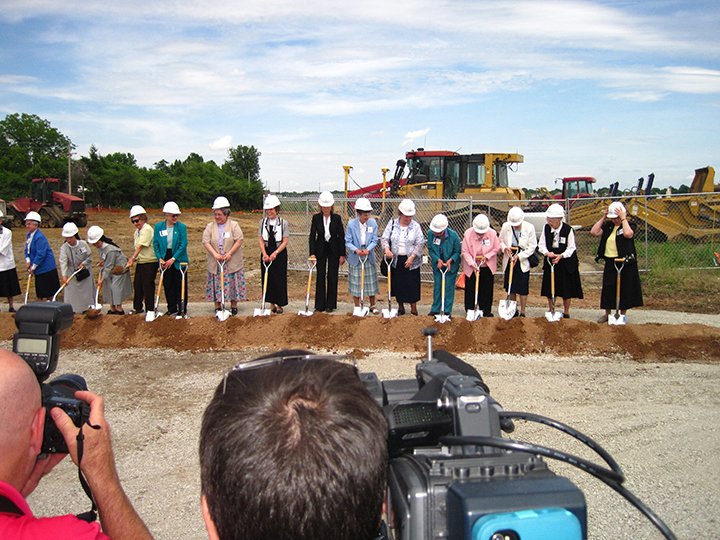
From initial site preparation to final finishes, professional construction photography captures each phase, providing visual records that can be referenced by both contractors and clients.

1. Documenting Project Progress

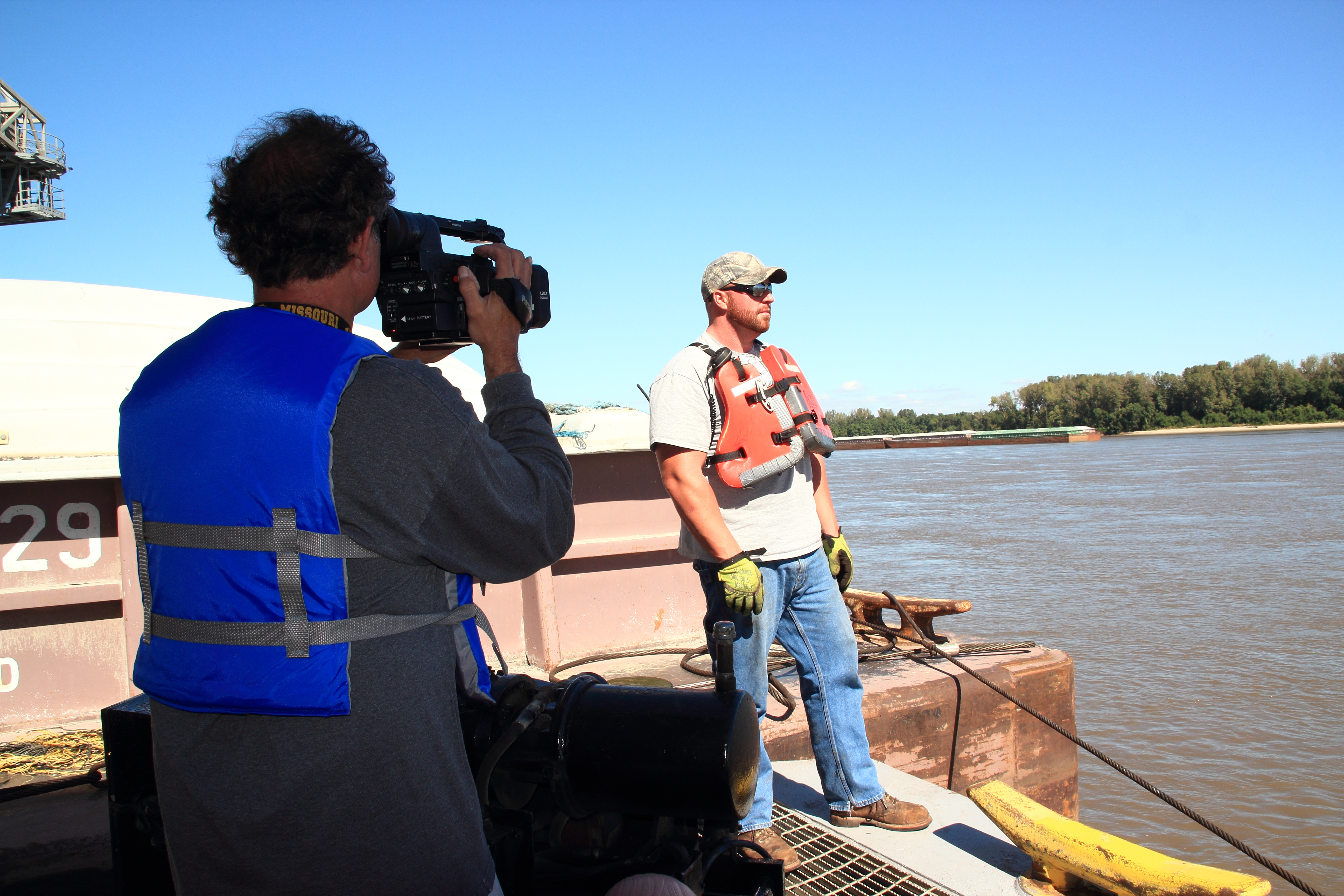
Construction projects are dynamic, with timelines that span months, if not years. Regular photography ensures that progress is well-documented and can be reviewed at any time. From initial site preparation to final finishes, professional construction photography captures each phase, providing visual records that can be referenced by both contractors and clients.

Regularly updated photos help construction managers assess the progress of the project, identify potential problems early, and ensure that work is proceeding according to schedule. When these photos are taken with high-quality equipment, they can also serve as useful references for resolving disputes or verifying milestones.

2. Marketing and Branding Your Project

High-quality images of a construction site can be a powerful marketing tool for both contractors and developers. These photos can be used for websites, brochures, social media, and investor presentations, providing a polished and professional image of your work.

Professional photographers and videographers have the expertise to create compelling visuals that tell the story of a construction project from start to finish. They know how to highlight your project’s key features while ensuring the quality of the image reflects your commitment to excellence.

3. Enhancing Client Relationships

A visual record of a construction project is a great way to keep your clients engaged throughout the duration of the project. Regular updates can be provided through photo reports, which keep clients informed about the project’s development. This transparency fosters trust, improves communication, and strengthens your relationship with the client.

Additionally, documenting the quality and craftsmanship of each stage of the build can be an excellent way to showcase your company’s work to potential clients. It provides tangible evidence of your abilities and helps differentiate you from competitors.

4. Insurance and Liability Protection

Construction site photography can also serve as a crucial safeguard when it comes to insurance and liability. By taking high-resolution images of the construction site before, during, and after the project, you create an official record that can be invaluable in case of disputes, accidents, or insurance claims.

Documenting the site in great detail helps protect both your business and your client, offering a clear understanding of the site’s condition at every stage. It’s a proactive way to avoid any misunderstandings that might arise later.

5. Meeting Legal and Regulatory Requirements

In many cases, local regulations or building codes require visual documentation of certain stages of construction. Whether it’s a permit inspection or ensuring compliance with environmental regulations, construction site photography can be used to meet these requirements.

Having professional photos taken ensures that all visual records comply with necessary standards, while also providing a historical reference should you need to prove adherence to safety or building codes.

6. Aerial Photography for Wider Context

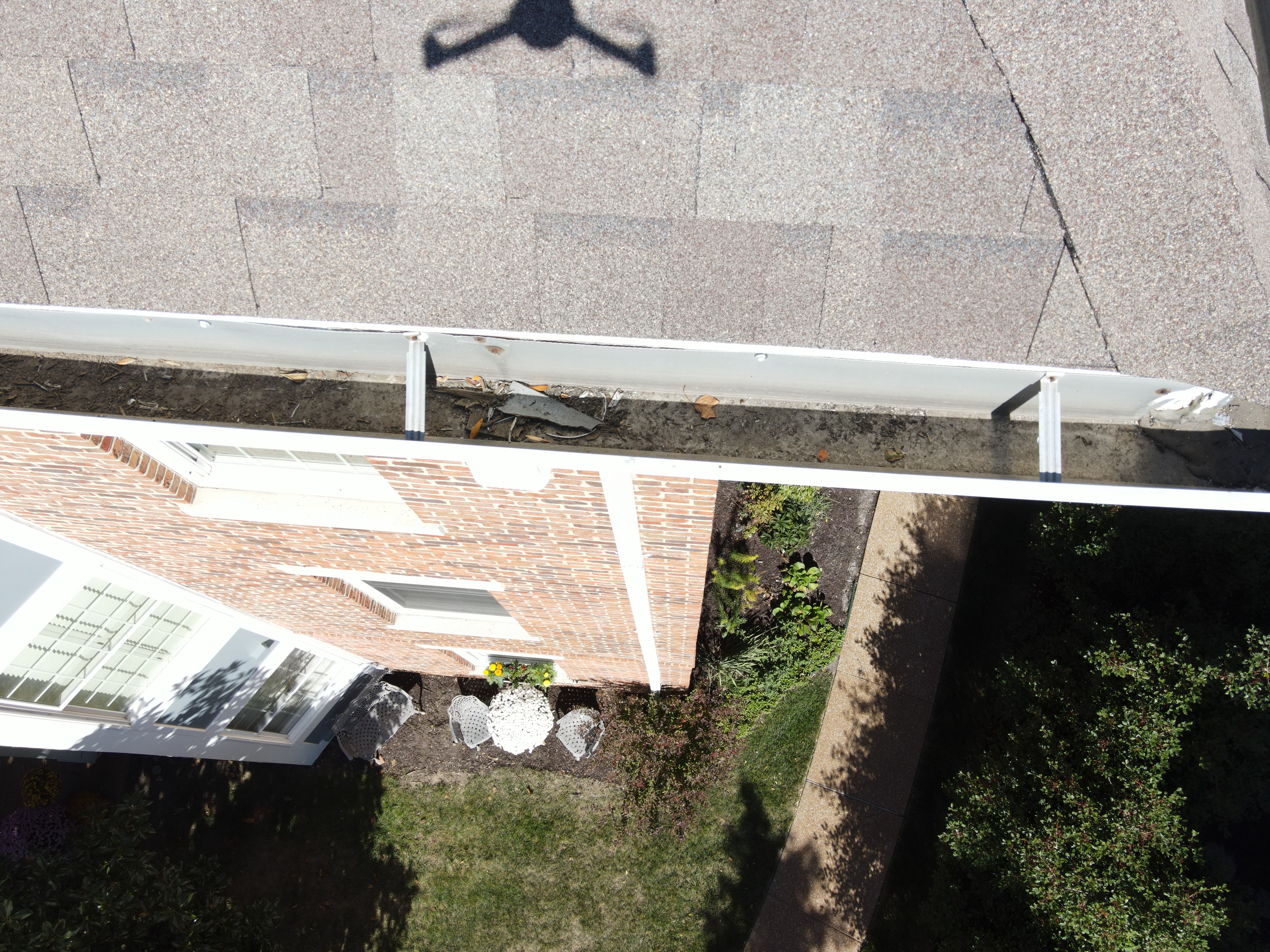
In some construction projects, aerial photography can give a unique perspective that ground-level photos can’t capture. Using specialized drones, professional photographers can capture wide-angle shots of the entire construction site, providing a detailed view of the entire layout, surrounding area, and project scope.

Aerial imagery can be especially useful for large-scale projects, helping stakeholders visualize the site’s context in relation to its surroundings, or for tracking progress over a longer time frame.

How St. Louis Commercial Photographers Can Help

At St Louis Commercial Photographers, we have over 40 years of experience in commercial photography and video production. Our team is equipped with the right tools and expertise to deliver exceptional construction site photography that meets your needs. Whether you need on-site photography for project updates, marketing materials, or insurance documentation, we have you covered.

We offer full-service studio and location video and photography, as well as editing, post-production, and licensed drone pilots. Our experienced creative crew can customize your productions for diverse media requirements, ensuring that every shot aligns with your vision. Whether you need to repurpose your photography and video branding for wider traction or simply require detailed site documentation, we can handle it.

Our private studio offers a versatile space for small productions and interview scenes, while our large-scale setup can accommodate props to complete your set. We can also handle full-scale productions, from setting up custom interview studios to providing sound and camera operators. We are well-versed in all media styles, file types, and the latest software tools to ensure a smooth production process.

With St Louis Commercial Photographers, you can count on us to help you every step of the way—from capturing the finest details of your construction site to creating high-quality images that showcase the essence of your work. As a full-service commercial photography and video production company, we’ve worked with countless businesses, marketing firms, and agencies in the St. Louis area since 1982, and we’re ready to bring that expertise to your next project.
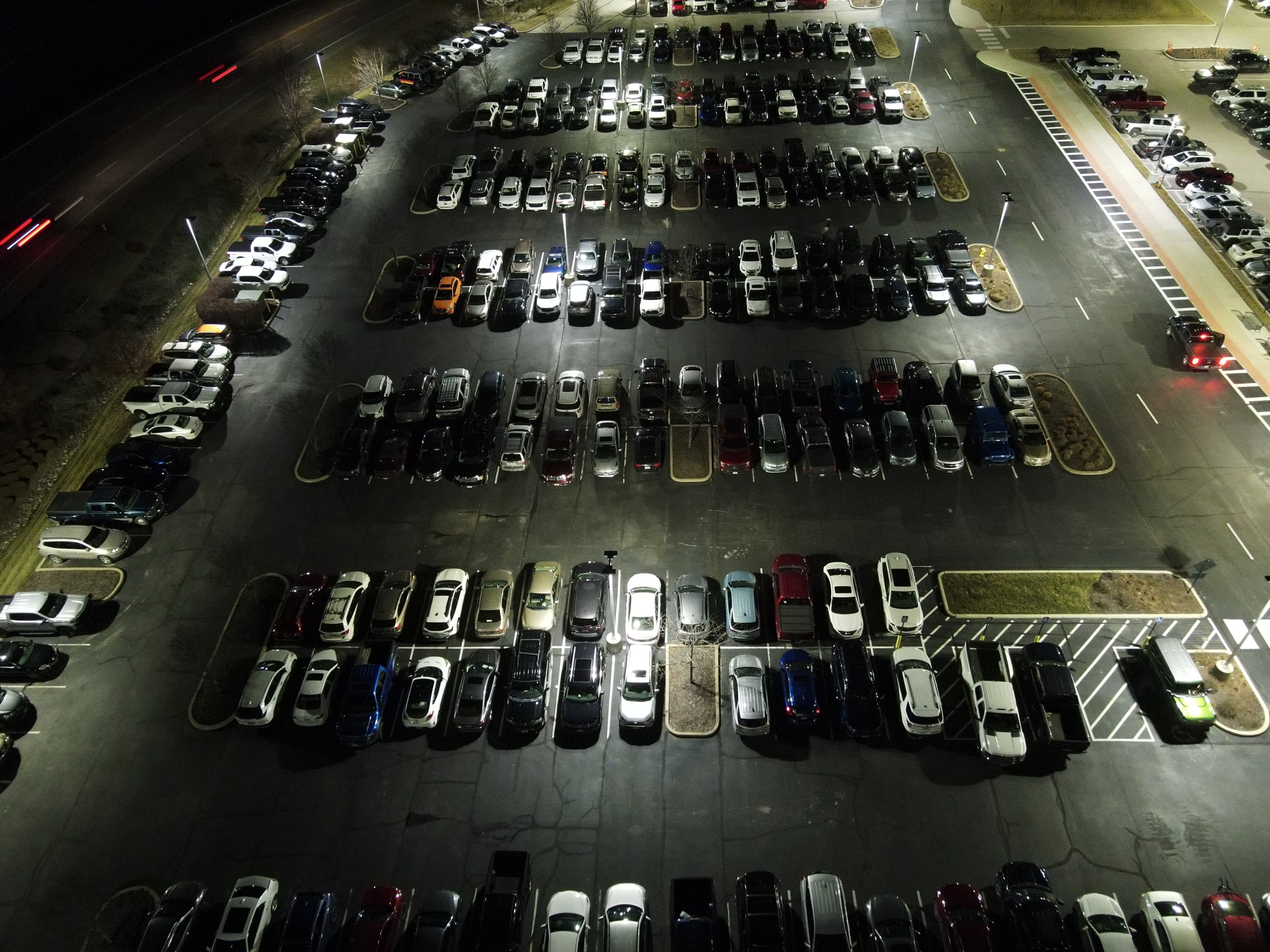
Let us help you capture the visual story of your next construction project and turn it into a powerful asset for your business.

314-913-5626

stlouiscommercialphotographers@gmail.com

Showcasing Your Service Business in Action

St Louis Commercial Photographers offers a comprehensive range of photography services essential for service businesses to effectively market their offerings and engage with clients. Here are the detailed types of photography most common in the industry:

Before the session, we discuss your goals, preferred style, and any specific requirements. This ensures we capture images that align with your brand’s vision.

1. Commercial Photography

  • Product Photography: Capturing high-quality, detailed images of products for catalogs, e-commerce websites, and promotional materials. This includes studio shots with controlled lighting and styling to highlight the product’s features.
  • Lifestyle Photography: Showcasing products in real-life settings to help customers envision how they fit into their daily lives. This often involves models using the products in various scenarios.

2. Corporate Photography

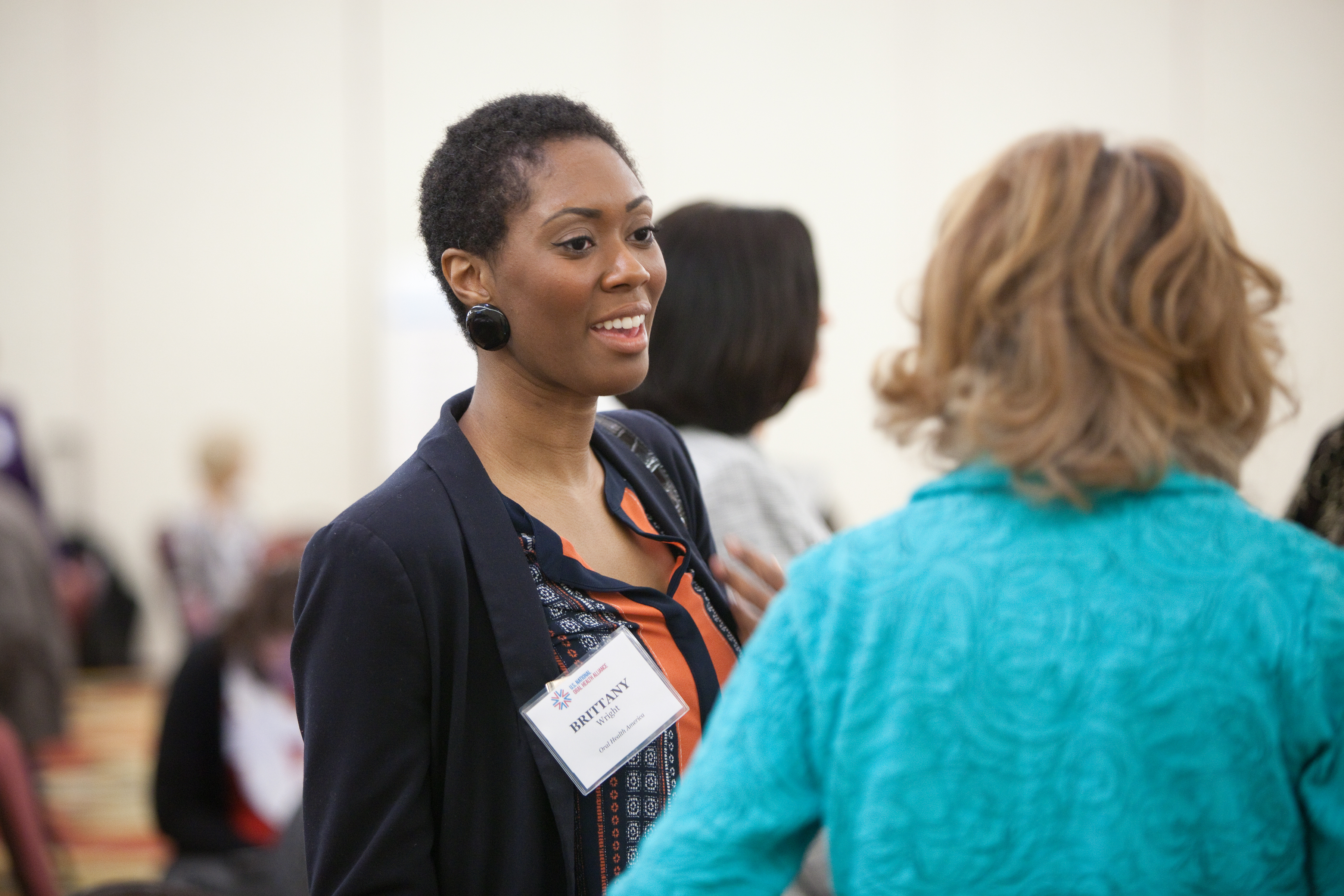
  • Headshots: Professional, polished portraits of employees and executives for corporate websites, LinkedIn profiles, and internal communications. These headshots can be taken in-studio or on-location with appropriate background settings.
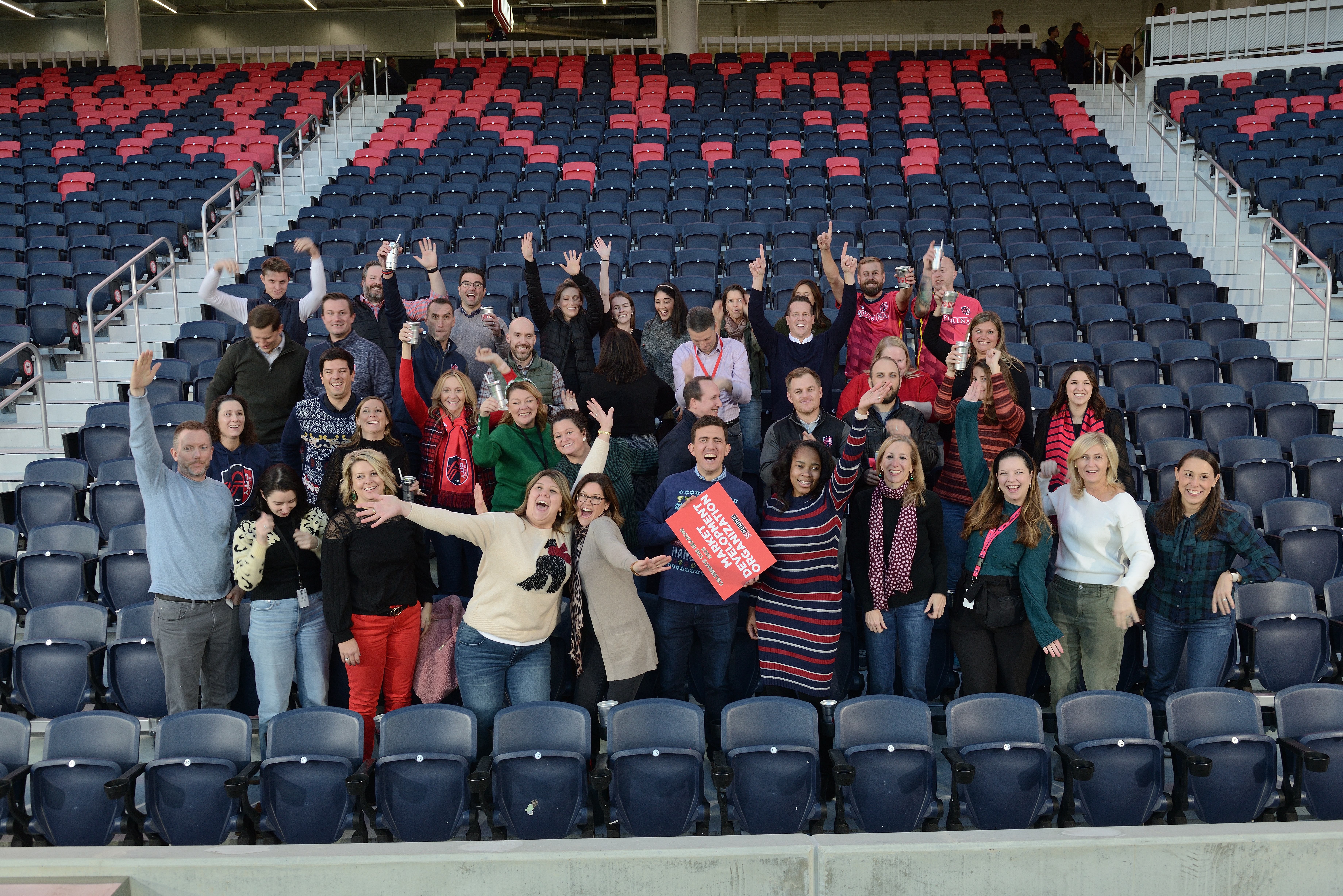
  • Team Photos: Group photographs of teams or entire departments to represent company culture and teamwork. These images are often used on company websites, annual reports, and marketing materials.
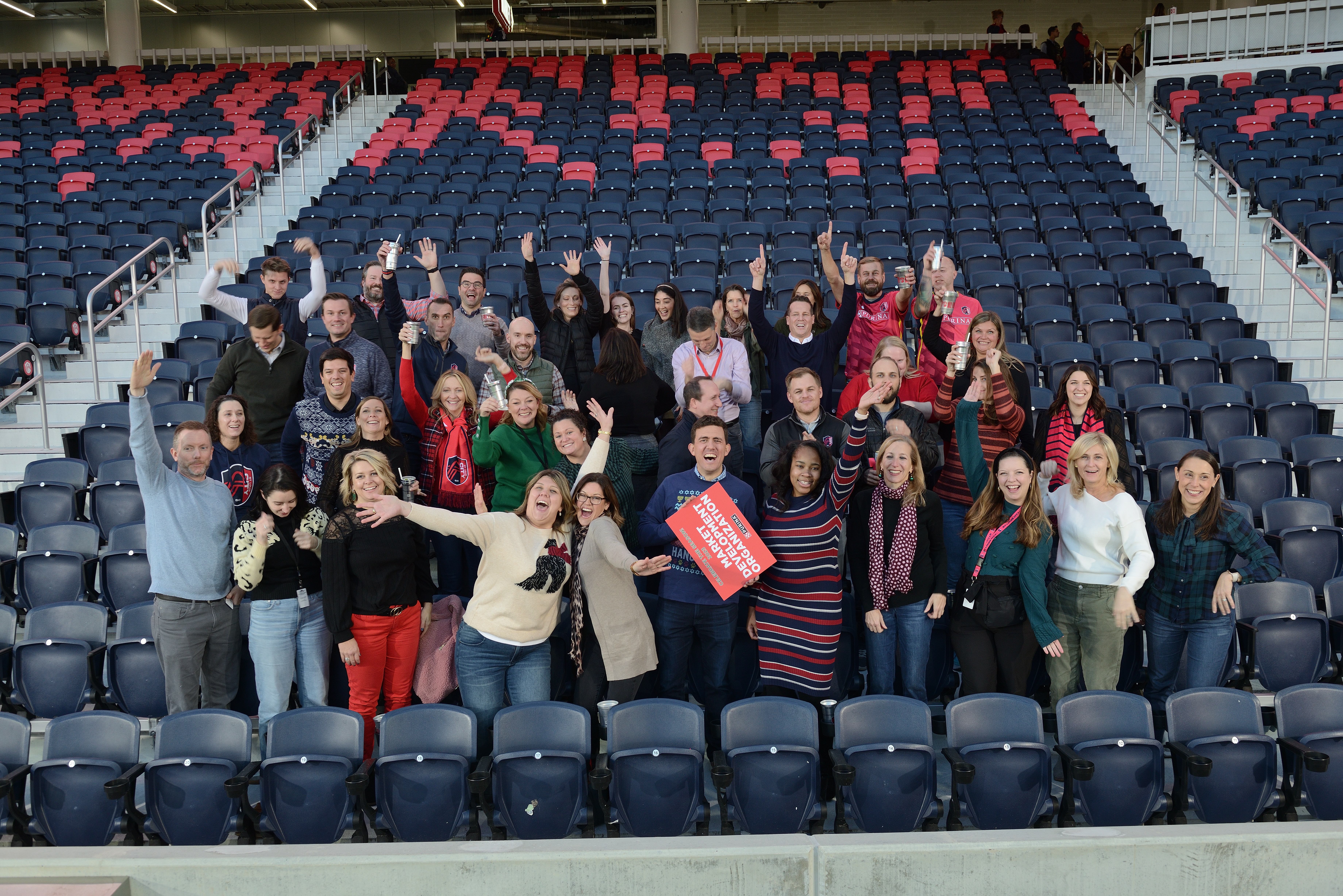
  • Event Photography: Documenting corporate events such as conferences, trade shows, seminars, and company parties. This involves capturing candid moments, key speakers, and overall event ambiance.

3. Architectural and Interior Photography

  • Office Spaces: High-quality images of office interiors to showcase the workplace environment, including workstations, common areas, and meeting rooms. This helps in highlighting the company’s infrastructure and facilities.
  • Facilities: Photographs of the business’s facilities, including both interior and exterior views. These images are crucial for real estate listings, company brochures, and marketing collateral.

4. Industrial Photography

  • Manufacturing Processes: Detailed documentation of production lines, machinery, and industrial processes. These images are used in trade publications, marketing materials, and on the company’s website.
  • Equipment: Capturing detailed images of specialized equipment and tools used in operations. This helps in showcasing the company’s technical capabilities and industry expertise.

5. Drone Photography

  • Aerial Shots: High-resolution overhead images of properties, facilities, and large-scale projects. These are particularly useful for real estate, construction, and event planning.
  • Construction Progress: Monitoring and documenting the progress of construction projects from an aerial perspective. This provides a comprehensive view of the site development over time.

6. Marketing and Advertising Photography

  • Promotional Images: Creating compelling and visually appealing photos for use in marketing campaigns, advertisements, and promotional materials. This includes everything from product shots to lifestyle images.
  • Social Media Content: Producing engaging images specifically tailored for social media platforms. These images are designed to attract attention and drive engagement.

7. Editorial Photography

  • Storytelling: Capturing images that tell a story about the business, its people, and its services. These photos are often used in feature articles, blogs, and company newsletters.
  • Content for Publications: Providing images for use in industry publications, magazines, and online articles. This includes portraits, action shots, and candid moments.

8. Training and Educational Photography

  • Instructional Photos: Creating step-by-step images for training manuals, guides, and educational materials. These photos help in clearly communicating instructions and procedures.
  • Workshops and Seminars: Documenting training sessions, workshops, and seminars conducted by the business. This includes capturing speakers, participants, and key moments of interaction.

9. Customer Testimonial Photography

  • Client Portraits: Capturing portraits of satisfied clients and customers, often used alongside testimonials. These images add credibility and personal touch to client endorsements.
  • Case Studies: Providing photos that complement case studies showcasing successful projects and client collaborations. This includes before-and-after images, process shots, and final results.

10. Specialty Photography

  • Food Photography: For businesses in the food service industry, capturing appetizing images of dishes and culinary creations. This involves careful styling and lighting to highlight textures and colors.
  • Fashion Photography: For businesses in the fashion industry, showcasing clothing and accessories in the best possible light. This includes studio shoots, runway shows, and lifestyle settings.
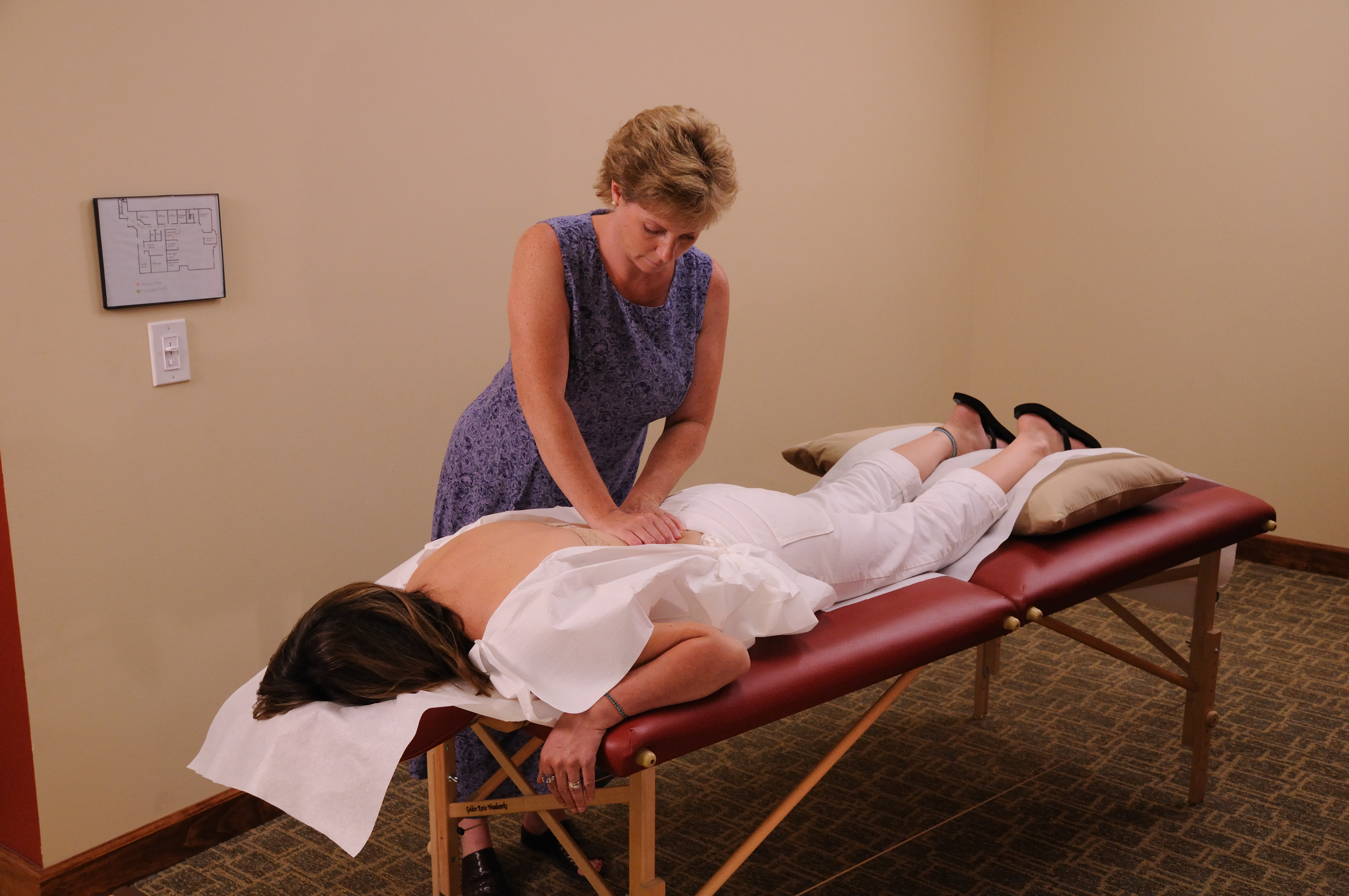
  • Healthcare Photography: Documenting healthcare services, facilities, medical staff, and patient interactions. These images help in communicating the quality of care and the human side of healthcare services.

St Louis Commercial Photographers is dedicated to providing these specialized services, ensuring that each client receives tailored photography solutions that meet their unique business needs.

314-913-5626

stlouiscommercialphotographers@gmail.com