Tag Archives: photography

Business photography services most in demand.

several types of business photography services are experiencing high demand due to various factors such as the need for visual storytelling, marketing, branding, and online presence. Here are the most sought-after business photography services:

Event photographers capture candid moments, keynote speakers, networking interactions, and branding elements to create lasting memories and promotional materials.
  1. Product Photography: E-commerce businesses, retailers, and brands require high-quality product photography to showcase their products effectively online. Product photographers specialize in capturing images that highlight the features, details, and aesthetics of various products, ranging from consumer goods to luxury items.
  2. Commercial Advertising Photography: Advertising agencies, marketing firms, and businesses across industries rely on commercial advertising photography to create compelling visual campaigns for print ads, digital advertisements, billboards, and social media platforms. Commercial photographers excel in creating visually striking images that convey brand messages and attract target audiences.
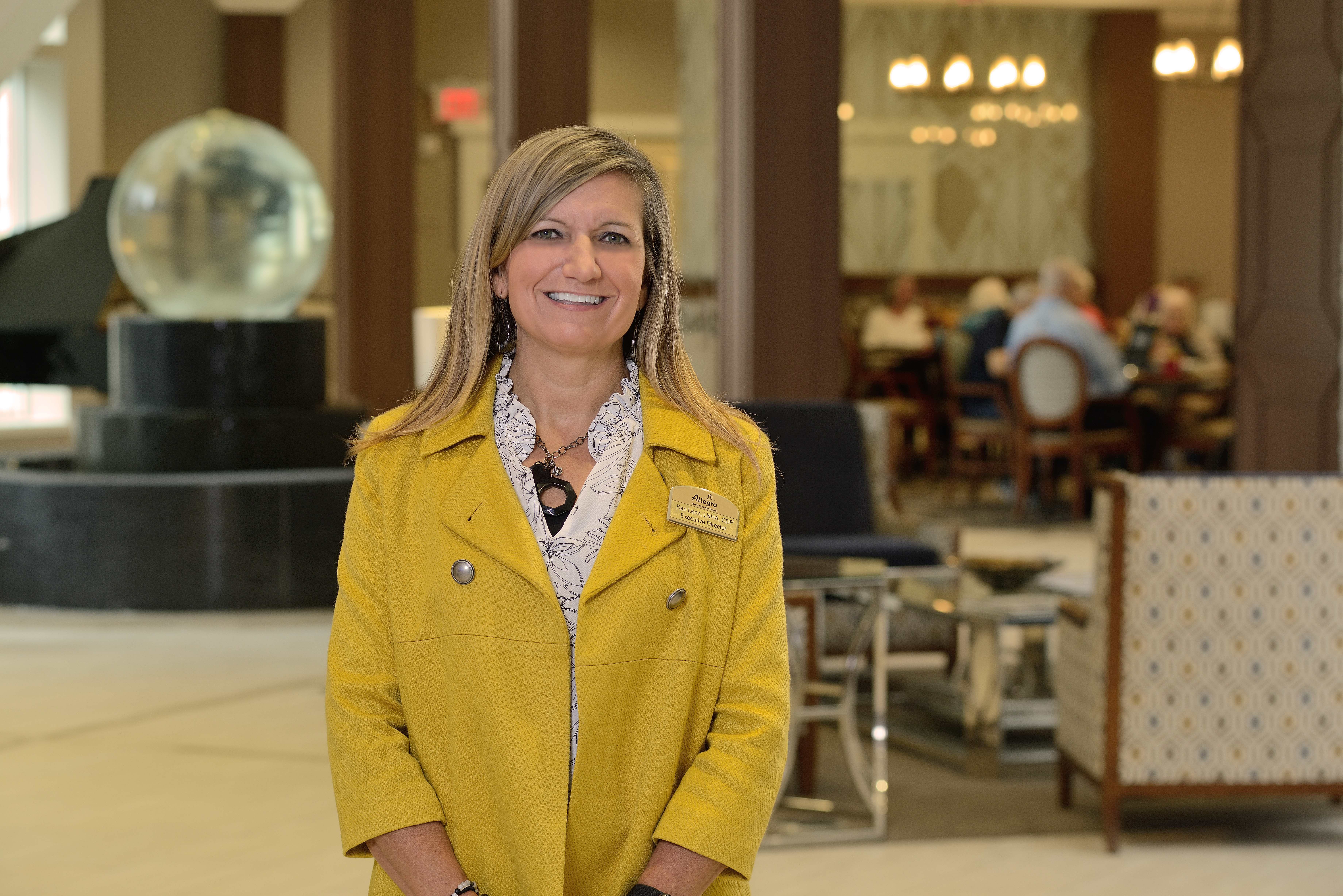
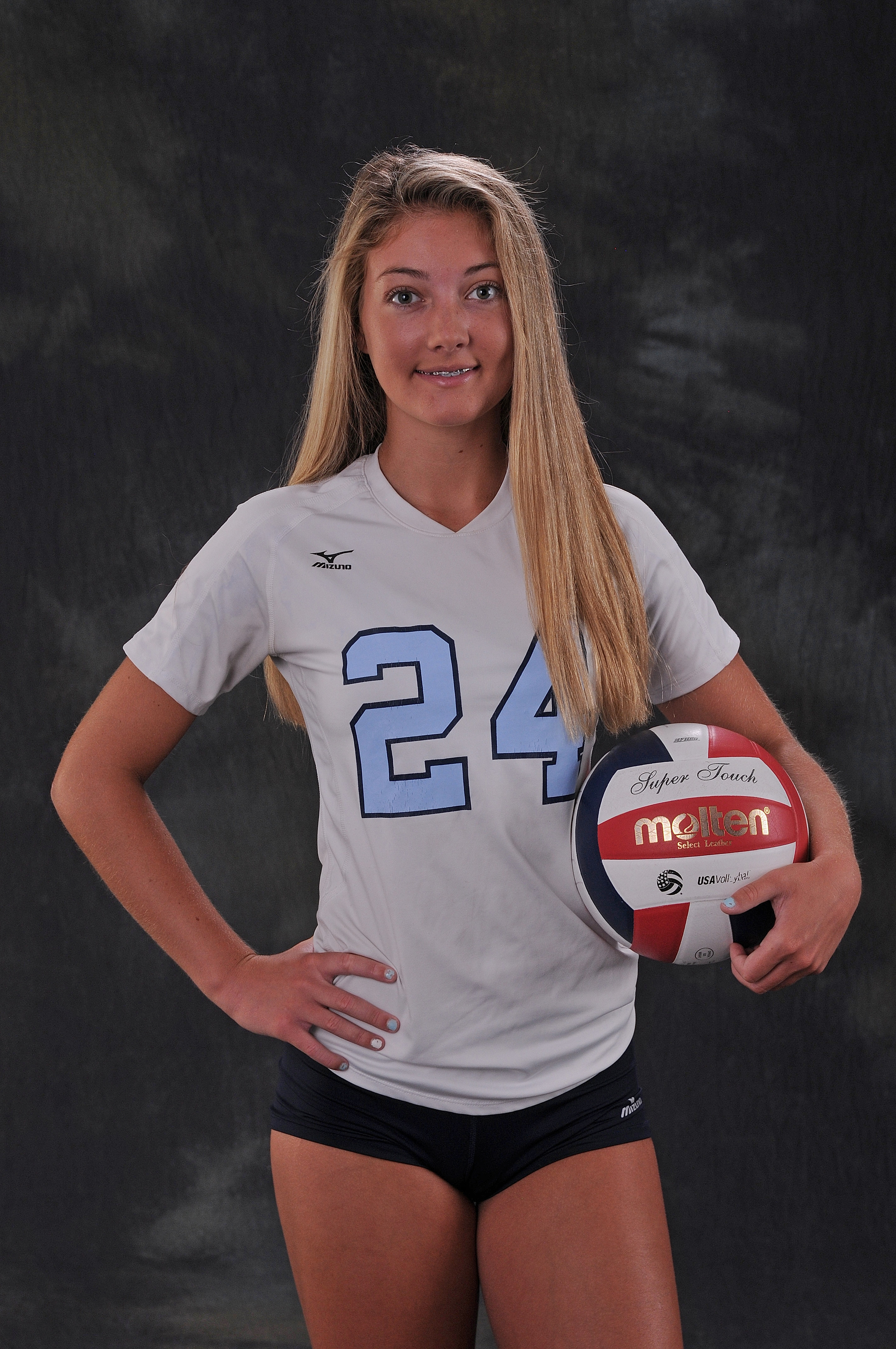
  3. Corporate Headshots and Portraits: Professional headshots and corporate portraits are essential for establishing credibility, building trust, and making a strong first impression in the business world. Corporate photographers provide executive portraits, team photos, and LinkedIn headshots for professionals, executives, and employees.
  4. Architectural and Real Estate Photography: Architects, real estate agents, property developers, and interior designers utilize architectural and real estate photography to showcase properties, buildings, and interior spaces. Photographers specializing in architectural photography capture the design, aesthetics, and unique features of residential and commercial properties.
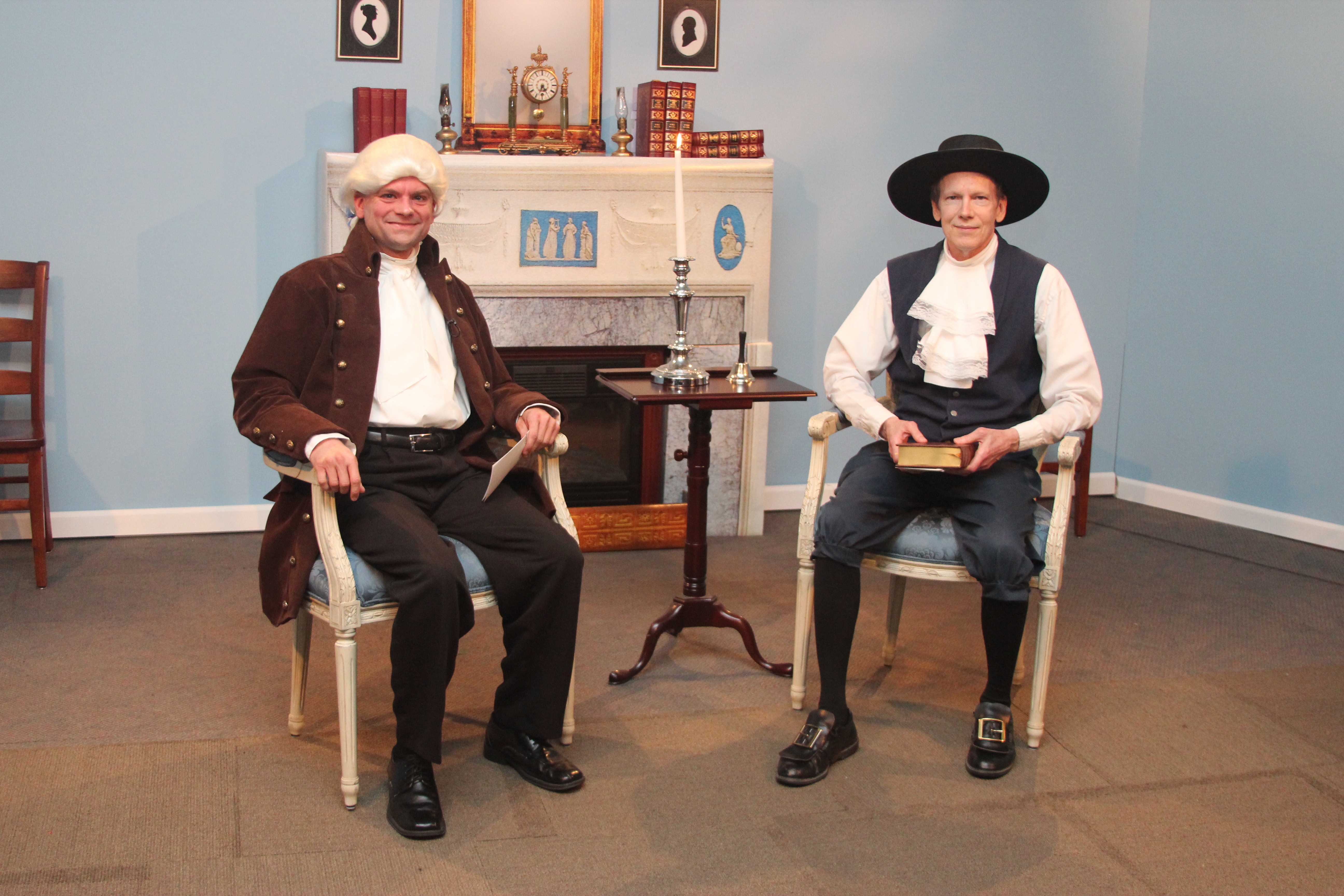
  5. Event Photography: Businesses, organizations, and event planners require event photography services to document corporate events, conferences, trade shows, product launches, and social gatherings. Event photographers capture candid moments, keynote speakers, networking interactions, and branding elements to create lasting memories and promotional materials.
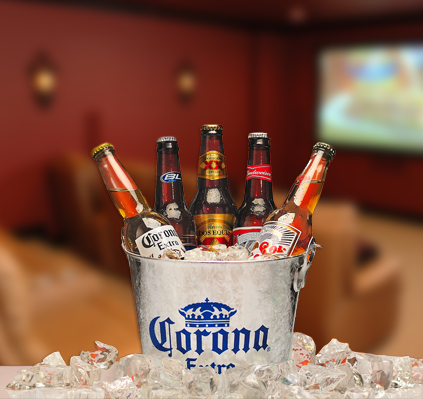
  6. Food and Beverage Photography: Restaurants, cafes, food brands, and culinary professionals rely on food and beverage photography to showcase their menu items, culinary creations, and beverage offerings. Food photographers specialize in capturing mouth-watering images that highlight the presentation, textures, and flavors of food and drinks.
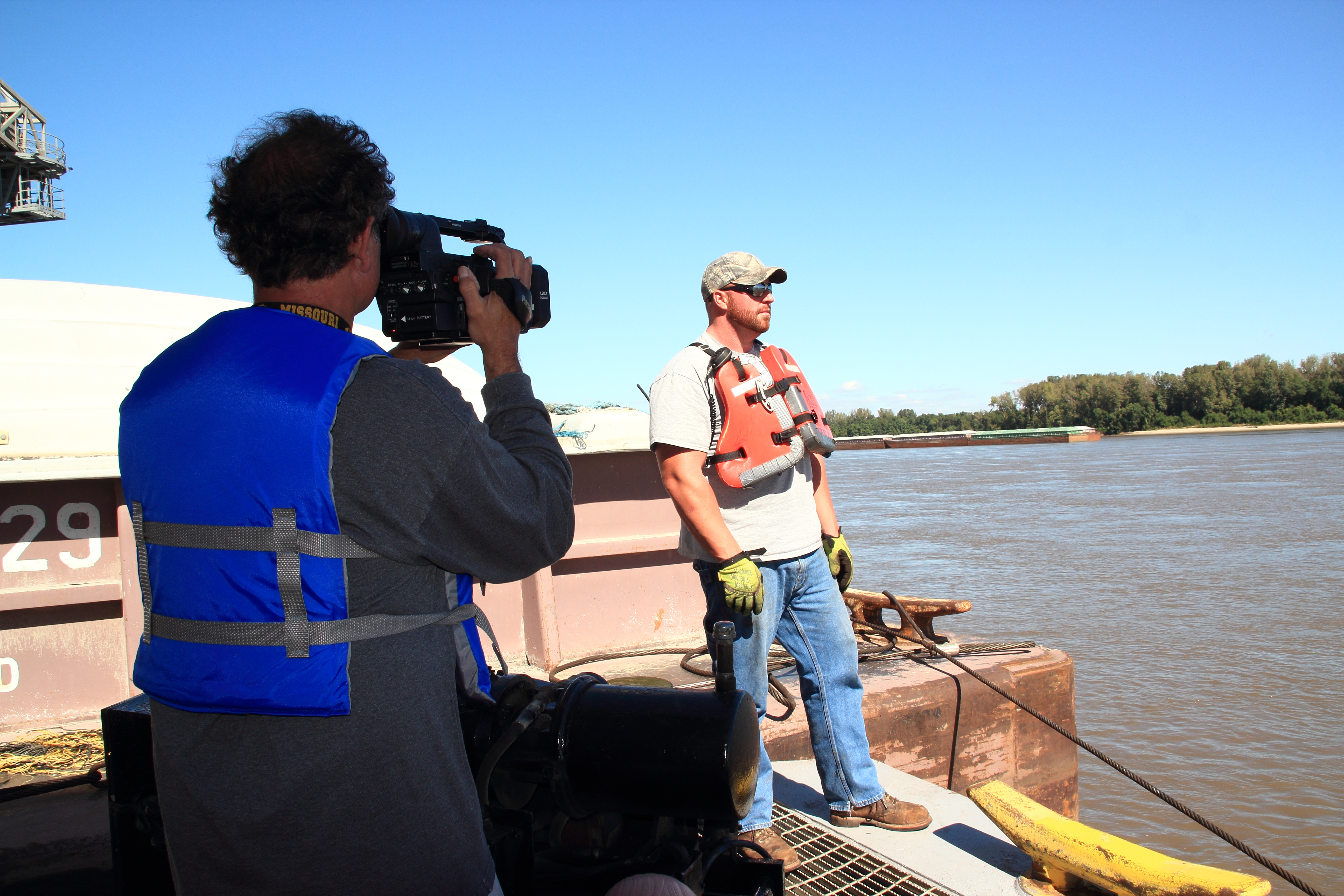
  7. Corporate Event Coverage: Companies often hire photographers to cover corporate events such as annual meetings, employee conferences, awards ceremonies, and corporate retreats. Corporate event photographers document the proceedings, keynote presentations, networking sessions, and employee interactions for internal use and marketing purposes.
  8. Interior Design Photography: Interior designers, decorators, architects, and furniture retailers utilize interior design photography to showcase their design projects, home decor products, and furnishings. Interior photographers focus on capturing the aesthetics, spatial layout, lighting, and design elements of interior spaces.
  9. Stock Photography and Image Licensing: Businesses and creative professionals access stock photography libraries and image licensing platforms to find high-quality images for marketing materials, websites, presentations, and publications. Stock photographers contribute their images to online marketplaces and agencies for commercial use by businesses worldwide.
  10. Virtual Tours and 360° Photography: Businesses in the hospitality, tourism, real estate, and entertainment industries leverage virtual tours and 360° photography to provide immersive experiences for customers and clients. Photographers specializing in virtual tours create interactive panoramic images that allow viewers to explore spaces and destinations remotely.

These business photography services cater to diverse industries and purposes, reflecting the growing demand for visually compelling imagery in today’s competitive business environment.

314-913-5626

stlouiscommercialphotographers@gmail.com

On-Site Office Headshot Photography Checklist

Create a relaxed and enjoyable atmosphere by playing music and maintaining a high-energy level.

Organizing a successful office headshot photography session at your workplace can be a daunting task. Coordinating schedules, selecting a skilled headshot photographer, and ensuring a seamless shoot can sometimes feel like planning a complex event. However, with the right guidance and preparation, you can make the process smooth and efficient. In this comprehensive checklist, we’ll walk you through the essential steps to host a successful on-site office headshot photography session.

Step 1: Schedule Ahead of Time

The key to a successful office headshot session is early planning. Employees often have busy schedules, so providing them with ample notice is crucial. While some organizations have flexible corporate headshot arrangements at a studio, many do not. Therefore, it’s advisable to plan and inform employees about the photo shoot at least three weeks in advance.

Step 2: Ensure an Ideal Photography Area

Creating the perfect backdrop for professional headshots requires attention to detail. Discuss your vision with the photographer and ensure that you have a well-lit, spacious area reserved for the shoot. If you prefer an office view as a backdrop, make sure the windows are clean and that weather conditions won’t interfere with the desired view.

For studio backdrops, you’ll need an open area with limited overhead lighting. Most on-site studio setups require approximately 20 feet by 12 feet of open space, free from hanging light fixtures. If you plan to use a conference room, ensure that any heavy furniture is movable.

Step 3: Implement a Registration Scheduling System

For groups exceeding four people, it’s more efficient to schedule employees for specific time slots in advance. Consider setting up a custom registration page for employees to sign up for their sessions. This approach offers several advantages, including better preparation, reduced wait times, and direct photo delivery to employees.

Step 4: Discuss the Shoot with Property Management

If your shoot takes place in a public office space or co-working environment, obtain permission from the building or office space management. Property managers are often concerned about tenant logos and liability issues. Ensure your photographer has the necessary insurance coverage, or be prepared to assume responsibility for any liability. Inform building security to ensure smooth access for the photographer.

Step 5: Provide Dress Code Guidance

Many employees may not have experience with professional headshots. Offer clear guidelines on what to wear, and share a checklist for preparation. If using a studio backdrop, advise employees not to wear clothing that matches the backdrop color.

Step 6: Send Reminder Communications

In today’s busy world, people can easily forget appointments. Send employees reminder emails or texts the night before the session to ensure they arrive prepared and on time.

Step 7: Create a Comfortable Environment

Photography sessions can be intimidating for some employees. Create a relaxed and enjoyable atmosphere by playing music and maintaining a high-energy level. Encourage participation by providing clear instructions and making the experience feel like a fun challenge rather than a formal photoshoot.

By following these steps, you can plan and execute a successful on-site office headshot photography session that leaves your employees with professional and memorable headshots.

314-913-5626

stlouiscommercialphotographers@gmail.com

Exploring Different Creative Lighting Trends in Product Photography

In the world of commercial photography, product photography is a unique and specialized field. It requires a deep understanding of lighting, composition, and the ability to highlight the features of a product effectively. As an experienced product photographer at St. Louis Commercial Photographers, I’m here to take you on a journey through the fascinating world of creative lighting trends in product photography.

Color gels can be used creatively to match a product’s branding or to add a touch of drama to the image.

Product photography is all about showcasing products in the best possible way, making them look appealing and enticing to potential customers. The right lighting can make all the difference, transforming a mundane product into a work of art. In this article, we will explore some of the latest creative lighting trends that can help you achieve stunning product shots.

The Importance of Creative Lighting in Product Photography

Before diving into the trends, let’s first understand why creative lighting is crucial in product photography. Lighting plays a pivotal role in setting the mood, creating depth, and emphasizing the product’s features. It can evoke emotions and tell a story about the product, making it more relatable to the audience.

Poorly lit product images can make even the most exceptional products look dull and unattractive. On the other hand, strategically applied creative lighting can make a product pop, emphasizing its texture, shape, and color. It can make a viewer feel like they can reach out and touch the product.

Now, let’s explore some of the innovative lighting techniques that professional product photographers are using today.

1. Natural Light Photography

Natural light is one of the most sought-after lighting sources in product photography. It offers a soft, even illumination that can beautifully highlight the product’s details without harsh shadows. Photographers often use diffusers or reflectors to control and enhance natural light.

One popular approach is to shoot near a large window or in an outdoor setting during the golden hour—the period shortly after sunrise or before sunset—when the light is warm and flattering. This soft, warm light can make products look inviting and cozy.

2. Studio Lighting with Softboxes

In a controlled studio environment, softboxes are widely used to create soft, diffused lighting. These large, rectangular or square boxes emit uniform light, minimizing harsh shadows and reflections. They are especially effective for photographing reflective or glossy products like jewelry or glassware.

By strategically positioning softboxes at different angles, photographers can achieve the desired level of illumination and shadow definition, giving products a three-dimensional look.

3. Rim Lighting for Drama

Rim lighting is a technique that involves placing a light source behind the product, creating a halo or outline around its edges. This technique adds depth and drama to the image, making the product stand out from the background.

Rim lighting is often used for products with interesting contours or textures, such as electronics or cosmetics packaging. It creates a striking contrast between the product and its surroundings.

4. Light Painting

Light painting is a highly creative technique where photographers use handheld light sources, such as flashlights or LED panels, to selectively illuminate different parts of the product. By carefully controlling the direction and intensity of the light, photographers can emphasize specific details or create unique visual effects.

This technique is particularly popular for photographing products with intricate designs or textures, as it allows for precise control over which areas are illuminated.

5. Color Gels for Mood Enhancement

Color gels are translucent sheets placed in front of light sources to add a colored tint to the lighting. This technique is used to create mood and atmosphere in product photography. Different colors can evoke various emotions and associations.

For example, warm colors like red and orange can convey a sense of warmth and comfort, while cooler colors like blue and green can create a calm and serene atmosphere. Color gels can be used creatively to match a product’s branding or to add a touch of drama to the image.

6. High-Key and Low-Key Lighting

High-key lighting involves using predominantly bright, even lighting to create a clean and minimalist look. It’s often used for products that require a fresh and airy aesthetic, such as beauty products or high-end fashion items.

Conversely, low-key lighting relies on strong contrasts between light and shadow, resulting in a more dramatic and moody atmosphere. This technique is suitable for products that want to convey a sense of mystery or luxury, like high-end watches or perfumes.

7. Multiple Light Sources for Texture

To highlight texture and surface details, photographers often employ multiple light sources. By carefully positioning and adjusting these sources, they can create interesting highlights and shadows that bring out the product’s tactile qualities.

This technique is commonly used for products like clothing, accessories, or textiles, where texture is a key selling point. It can make fabrics appear soft and inviting or emphasize the intricate patterns and weaves.

8. Practical Lighting Props

Sometimes, using practical props like candles, lanterns, or string lights can add a unique touch to product photography. These props not only provide additional sources of illumination but also create a cozy and inviting ambiance.

For instance, using string lights to create a warm, twinkling background can make a product feel festive and celebratory, perfect for holiday-themed marketing campaigns.

9. Focus Stacking for Maximum Sharpness

Focus stacking is a technique that involves taking multiple images of the same product at different focus points and then merging them in post-production. This results in a final image with exceptional depth of field and sharpness throughout.

Focus stacking is particularly useful for products with intricate details or those shot at close distances, such as macro photography of jewelry or small electronics.

10. Subtractive Lighting Techniques

In some cases, photographers use subtractive lighting techniques to create dramatic effects. This involves strategically blocking or reducing the amount of light reaching certain areas of the product, creating shadows and enhancing contrast.

Subtractive lighting can be used to create striking silhouettes or to draw attention to specific parts of the product, such as a logo or a unique feature.

Conclusion

In the world of product photography, creative lighting is an indispensable tool for creating compelling and visually appealing images. Each of the lighting techniques mentioned above has its own unique characteristics and can be applied to different types of products based on their features, branding, and target audience.

As a full-service photographer, St. Louis Commercial Photographers has extensive experience in harnessing these creative lighting trends to capture stunning product shots that resonate with your audience. Our team possesses the right equipment and the creative expertise needed to bring out the best in your products. Whether you require studio or location photography, image editing and retouching, or customized product images for various media requirements, we have you covered.

With a proven track record of working with businesses and agencies in the St. Louis area, St. Louis Commercial Photographers understands the unique photography needs of our local clients. We are proficient in handling various file types and styles of media, along with the accompanying software to ensure your branding images are optimized for maximum impact.

If you’re ready to elevate your product photography and showcase your products in the best light possible, reach out to St. Louis Commercial Photographers today. Let us bring our wealth of experience and creative vision to your next project, ensuring your products shine and captivate your audience.

Contact us now to discuss your product photography needs and experience the St. Louis Commercial Photographers difference.

314-913-5626

stlouiscommercialphotographers@gmail.com