Tag Archives: st louis live event photographer

A Step-by-Step Playbook for Product Shots That Sell

As decision-makers in an increasingly visual world, you understand that compelling product photography is no longer a luxury, but a necessity. High-quality imagery directly impacts brand perception, customer engagement, and ultimately, sales. However, simply pointing and shooting rarely yields the impactful results businesses demand. The art of product posing, often overlooked, is the secret weapon in transforming ordinary shots into extraordinary marketing assets.

This comprehensive guide, born from decades of experience in commercial photography and video production, will walk you through the essential steps to strategically pose your products, ensuring every shot communicates value, desirability, and professionalism.

Step 1: Understand Your Product’s Story and Audience

Before even touching a prop or adjusting a light, delve deep into the “why” behind your product. What problem does it solve? What emotion does it evoke? Who is your target demographic? A luxury watch will be posed differently than a children’s toy or an industrial component.

  • Key Consideration: How does your product fit into the lifestyle or workflow of your ideal customer?
  • Actionable Tip: Create a brief creative brief for each product, outlining its unique selling propositions and target audience. This will inform every subsequent posing decision.

Step 2: Choose Your Background Wisely

The background is not merely an empty space; it’s an integral part of your product’s environment. It should complement, not distract from, your star.

  • Clean & Simple: For e-commerce, a pure white or neutral gray background is often ideal. It minimizes distractions and ensures the product stands out.
  • Contextual & Evocative: For lifestyle or branding shots, consider backgrounds that hint at the product’s use case. A gourmet coffee grinder might be placed on a rustic kitchen counter, while a tech gadget could rest on a minimalist desk.
  • Texture & Depth: Introduce subtle textures – wood, concrete, fabric – to add visual interest without overwhelming the product.

Step 3: Master the Art of Angles and Perspectives

The angle from which you photograph your product can drastically alter its perceived size, shape, and even its personality.

  • Eye-Level: Often the most natural and relatable perspective, mimicking how a customer would see the product in person.
  • High Angle (Bird’s Eye): Can make a product appear smaller or more approachable. Useful for showcasing the top surface or arrangement of multiple items.
  • Low Angle: Can lend a sense of grandeur, power, or importance to a product. Effective for showcasing height or intricate details from below.
  • Close-Up (Macro): Essential for highlighting textures, intricate craftsmanship, or specific features that differentiate your product.
  • Action Shot: If your product is dynamic, show it in use. A running shoe in motion, a blender mid-blend, or a tool performing its function.

Step 4: Leverage Props with Purpose

Props are powerful storytelling tools, but they must be used judiciously. Every prop should serve a clear purpose, whether it’s to provide scale, add context, enhance aesthetics, or suggest a lifestyle.

  • Complementary Colors & Textures: Choose props that harmoniously blend with your product’s design and color palette.
  • Scale & Proportion: Use props to give viewers a sense of the product’s actual size. A small coin next to a piece of jewelry, or a hand holding a device.
  • Lifestyle & Context: A book next to a reading lamp, a cup of coffee beside a laptop – these props paint a picture of how the product enhances life.
  • Subtlety is Key: Avoid clutter. A few well-chosen props are far more effective than a busy, distracting arrangement.

Step 5: The Power of Arrangement and Grouping

When photographing multiple products or components, their arrangement is critical.

  • Rule of Thirds: Position your main product or key elements along the intersecting lines or points of an imaginary tic-tac-toe grid for a more dynamic composition.
  • Leading Lines: Use elements within your shot to create visual paths that guide the viewer’s eye towards your product.
  • Symmetry vs. Asymmetry: Symmetrical arrangements can convey balance and formality, while asymmetrical layouts often feel more natural and dynamic.
  • Depth of Field: Utilize shallow depth of field to isolate your product and create a pleasing, professional blur in the foreground and background. This draws attention directly to your hero product.

Step 6: Light It Right

While not strictly “posing,” lighting is inextricably linked to how your product’s form, texture, and details are revealed. Strategic lighting can sculpt your product, eliminate harsh shadows, and create mood.

  • Soft, Diffused Light: Often the most flattering for products, minimizing harsh reflections and revealing details evenly. Think large softboxes or natural light from a window.
  • Directional Light: Use harder light sources to emphasize texture, create dramatic shadows, and add depth.
  • Fill Light: Use reflectors or a secondary light source to lift shadows and ensure all aspects of the product are visible.
  • Backlighting/Rim Lighting: Can create a beautiful halo effect around your product, separating it from the background and adding dimension.

Step 7: Iterate and Refine

Product photography is an iterative process. Don’t settle for the first good shot.

  • Shoot from multiple angles.
  • Experiment with different prop arrangements.
  • Adjust lighting subtly.
  • Review your shots critically. What works? What doesn’t? How can you improve?

By meticulously following these steps, you will transform your product photography from mere documentation into compelling visual narratives that resonate with your audience and drive business results.


At St Louis Commercial Photographers, we understand that successful image acquisition is about more than just a camera and a click. With decades of experience since 1982, we are a full-service professional commercial photography and video production company, equipped with the right equipment and a creative crew dedicated to your success.

We offer comprehensive studio and location video and photography services, alongside expert editing, post-production, and even licensed drone pilots for captivating aerial perspectives. St Louis Commercial Photographers excels at customizing productions for diverse media requirements, and we specialize in repurposing your photography and video branding to gain maximum traction across all platforms. We are well-versed in all file types, media styles, and accompanying software, staying ahead of the curve by utilizing the latest in Artificial Intelligence for all our media services.

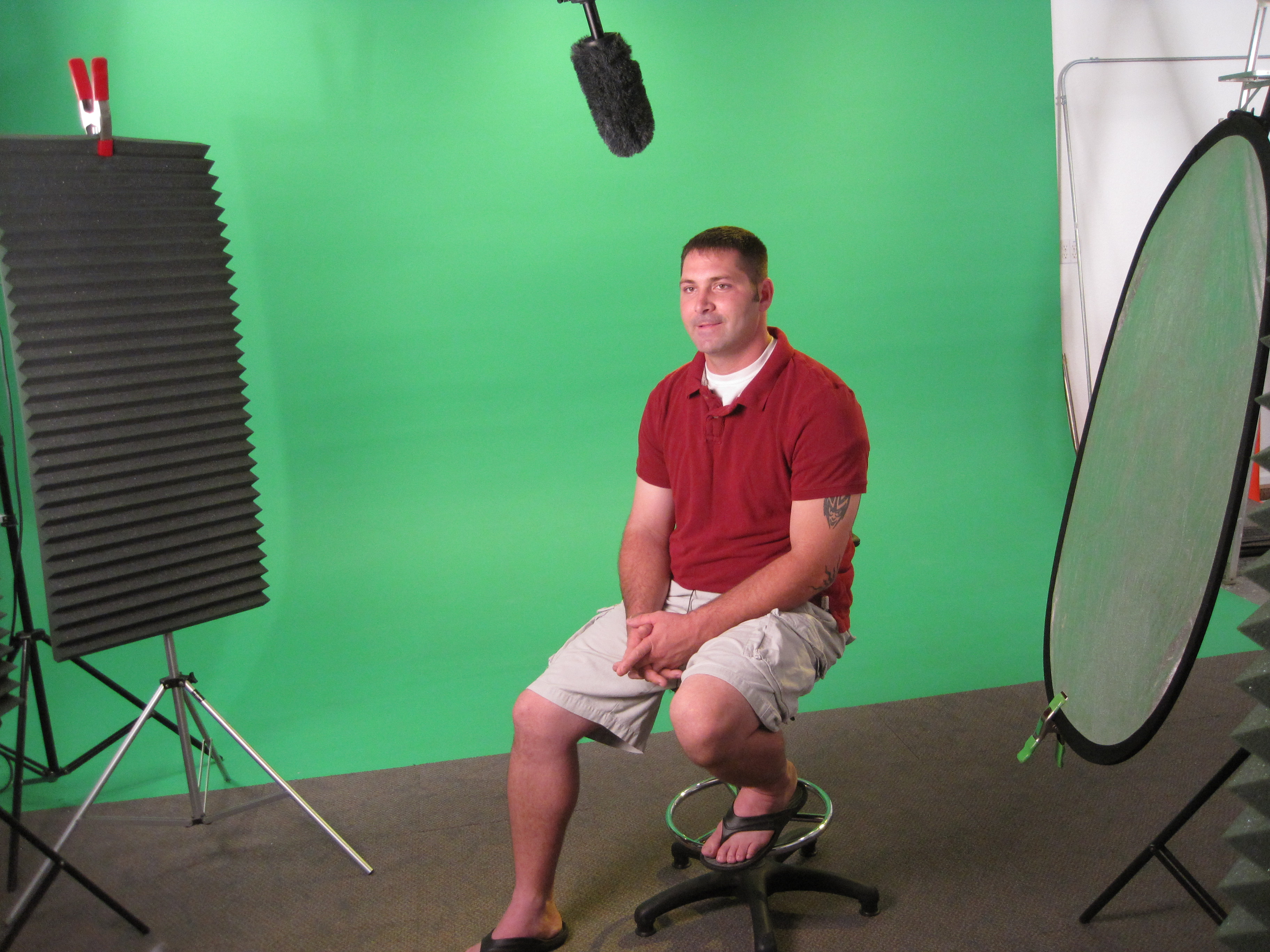
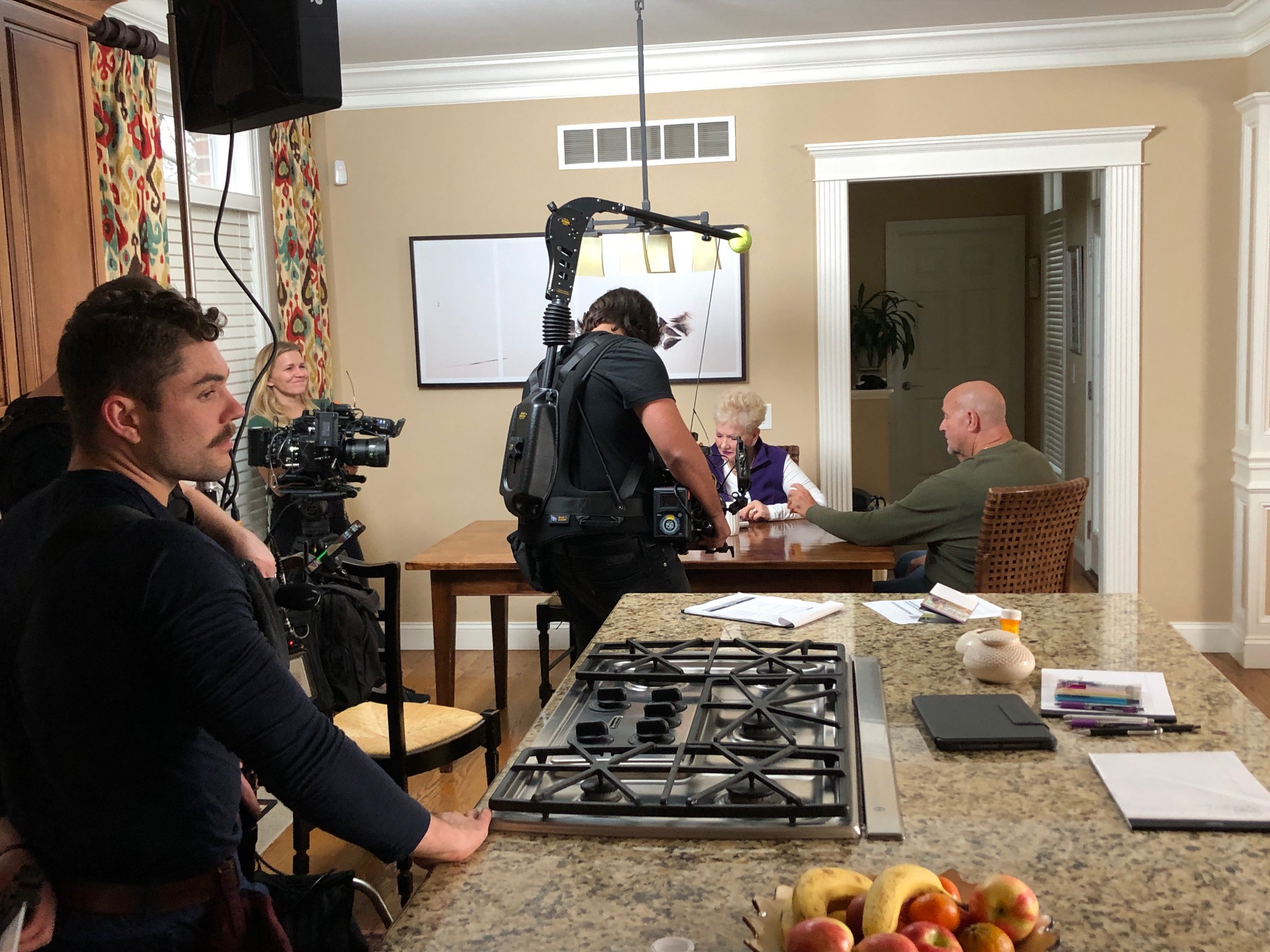
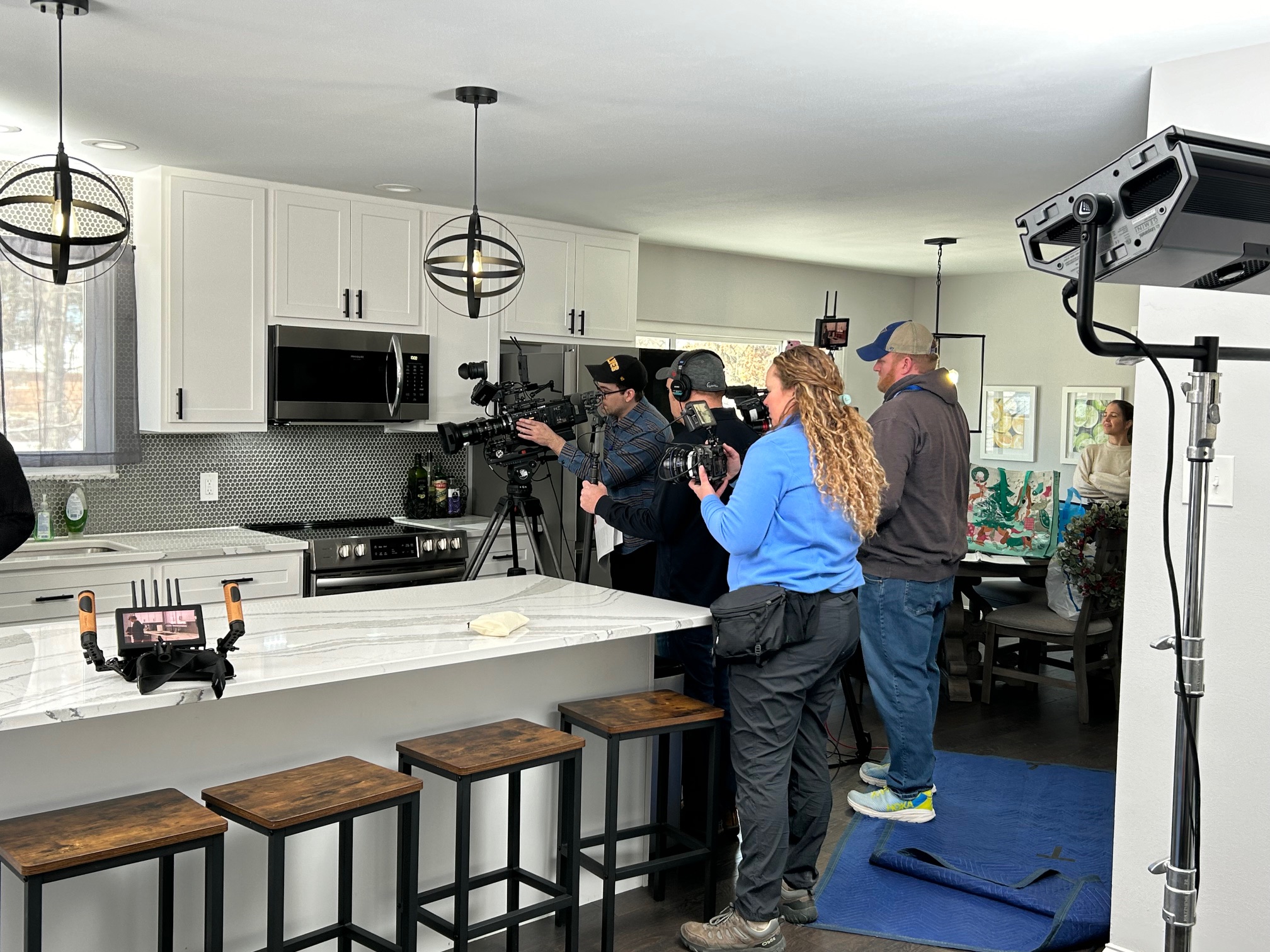
Our private studio provides the perfect controlled environment with specialized lighting and visual setups for small productions and interview scenes. It’s spacious enough to incorporate a variety of props to perfectly round out your set. We support every aspect of your production—from setting up a private, custom interview studio to supplying professional sound and camera operators, as well as providing the right equipment—ensuring your next video production is seamless and successful. Unique to our capabilities, we can even fly our specialized drones indoors for dynamic and controlled shots.

Having worked with countless businesses, marketing firms, and creative agencies in the St. Louis area for their marketing photography and video needs, St Louis Commercial Photographers is your trusted partner for visual excellence.
314-913-5626

stlouiscommercialphotographers@gmail.com

Location Photos: How to Get Permission — A Guide for Marketing and Media Decision Makers

When planning a commercial photo or video shoot outside of a studio, obtaining the right permissions is crucial. Whether you’re producing a brand campaign, a corporate video, or social media content, location imagery adds authenticity and visual interest—but shooting without proper clearance can derail your entire project.

As experienced professionals at St Louis Commercial Photographers, we’ve helped clients navigate the logistics of location photography for decades. In this guide, we’ll walk you through how to get permission to shoot at your desired location, key legal and logistical considerations, and why having an experienced production partner makes all the difference.


Why Permission Matters for Commercial Photography and Video

Location permission isn’t just a formality—it’s a legal and creative necessity. Using private or public property without proper consent can result in:

  • Fines or legal action
  • Production delays or forced cancellations
  • Post-production complications, especially if location release documentation is requested by distributors, broadcasters, or digital platforms

Even more, failure to secure the correct permissions can damage your brand’s reputation. That’s why proactive planning and location management are integral to a smooth and professional shoot.


Types of Locations and What’s Required

Let’s break down common location types and the typical permissions required:

1. Private Property (Offices, Retail Stores, Homes, Warehouses)

You’ll need:

  • Location release form signed by the property owner or manager
  • Proof of liability insurance, often required by property managers
  • Sometimes, a usage fee or rental agreement may apply

2. Public Spaces (Parks, Streets, Government Buildings)

You’ll need:

  • Permit from the local municipality or park district
  • Possible special event insurance coverage
  • Coordination with local authorities, especially for large crews or street closures

3. Corporate and Institutional Locations (Hospitals, Schools, Libraries)

You’ll need:

  • Administrative approval (often from legal or marketing departments)
  • Written consent forms
  • In some cases, proof of background checks or NDAs for crew members

Key Steps to Securing Permission

Step 1: Scout Early and Research Ownership

Use city GIS maps, property records, or your production partner to determine who owns the location. This will inform who you need to approach for permission.

Step 2: Draft and Present a Location Release Form

This document should include:

  • Shoot date(s) and time(s)
  • Number of crew members
  • Type of equipment being used (cameras, lights, drones, etc.)
  • Intended media usage (TV, web, social, internal, etc.)

Step 3: Obtain Insurance Certificates

Most property owners will require you to carry and present a certificate of insurance (COI) listing them as additionally insured for the day(s) of the shoot.

Step 4: Communicate Respectfully

A professional tone goes a long way. Explain the scope of the project, how you plan to respect the property, and how your team will clean up and restore the location.

Step 5: Follow Up in Writing

Once permission is granted, get it in writing. A signed location agreement protects you if ownership changes or questions arise after the shoot.


Bonus Consideration: Drone Flights on Location

Using drones for aerial or interior shots adds dynamic range to your content. However, you’ll need:

  • FAA approval (if flying outdoors)
  • Indoor flight clearance from the property owner
  • Certified and insured drone operators

Our team at St Louis Commercial Photographers includes licensed drone pilots experienced in both exterior and indoor drone photography, eliminating this burden from your workflow.


Why Work With St Louis Commercial Photographers?

Securing the right locations and handling permissions is just one part of a successful commercial shoot. At St Louis Commercial Photographers, we provide a complete, worry-free experience:

  • We’re a full-service professional commercial photography and video production company with the right equipment and creative crew to deliver effective image acquisition every time.
  • Our services include studio and location video and photography, editing, post-production, and licensed drone operation—all customizable for your unique media needs.
  • We specialize in repurposing your photo and video branding for maximum reach across various platforms.
  • With deep expertise in all media file types, styles, and software, we ensure smooth delivery and future-proof assets.
  • Our private studio setup is ideal for interviews, with enough room for props and custom sets.
  • From sound and camera operators to studio and drone equipment, we offer everything required for your next successful production.
  • We’ve proudly served the St. Louis business and creative community since 1982, partnering with marketing firms, agencies, and businesses across industries.

Ready to book a location shoot?
Let St Louis Commercial Photographers manage every step—from obtaining permissions to capturing stunning, usable media that elevates your brand. Contact us today to discuss your vision and schedule your production.

314-913-5626

stlouiscommercialphotographers@gmail.com

Showcasing Your Service Business in Action

St Louis Commercial Photographers offers a comprehensive range of photography services essential for service businesses to effectively market their offerings and engage with clients. Here are the detailed types of photography most common in the industry:

Before the session, we discuss your goals, preferred style, and any specific requirements. This ensures we capture images that align with your brand’s vision.

1. Commercial Photography

  • Product Photography: Capturing high-quality, detailed images of products for catalogs, e-commerce websites, and promotional materials. This includes studio shots with controlled lighting and styling to highlight the product’s features.
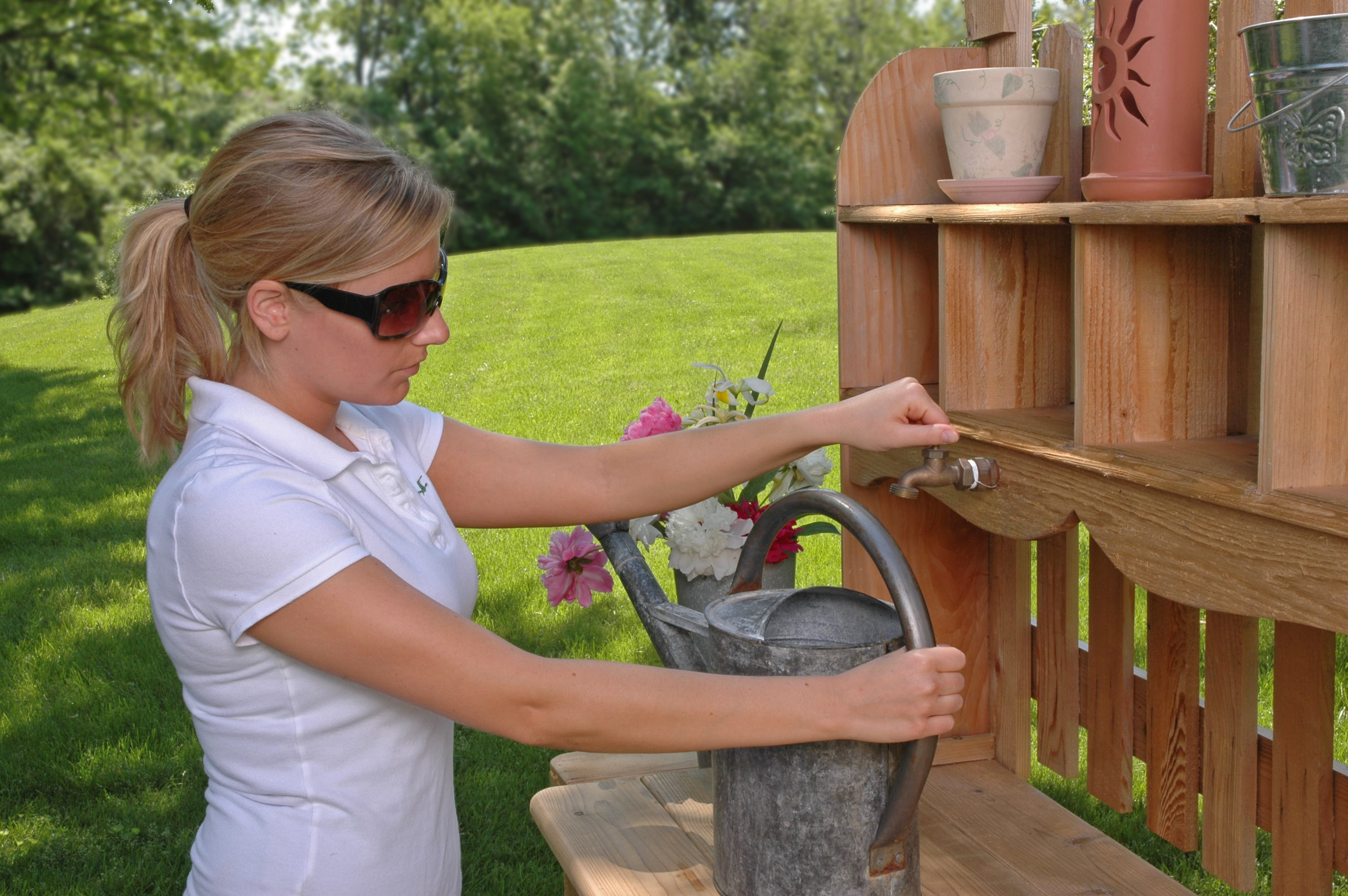
  • Lifestyle Photography: Showcasing products in real-life settings to help customers envision how they fit into their daily lives. This often involves models using the products in various scenarios.

2. Corporate Photography

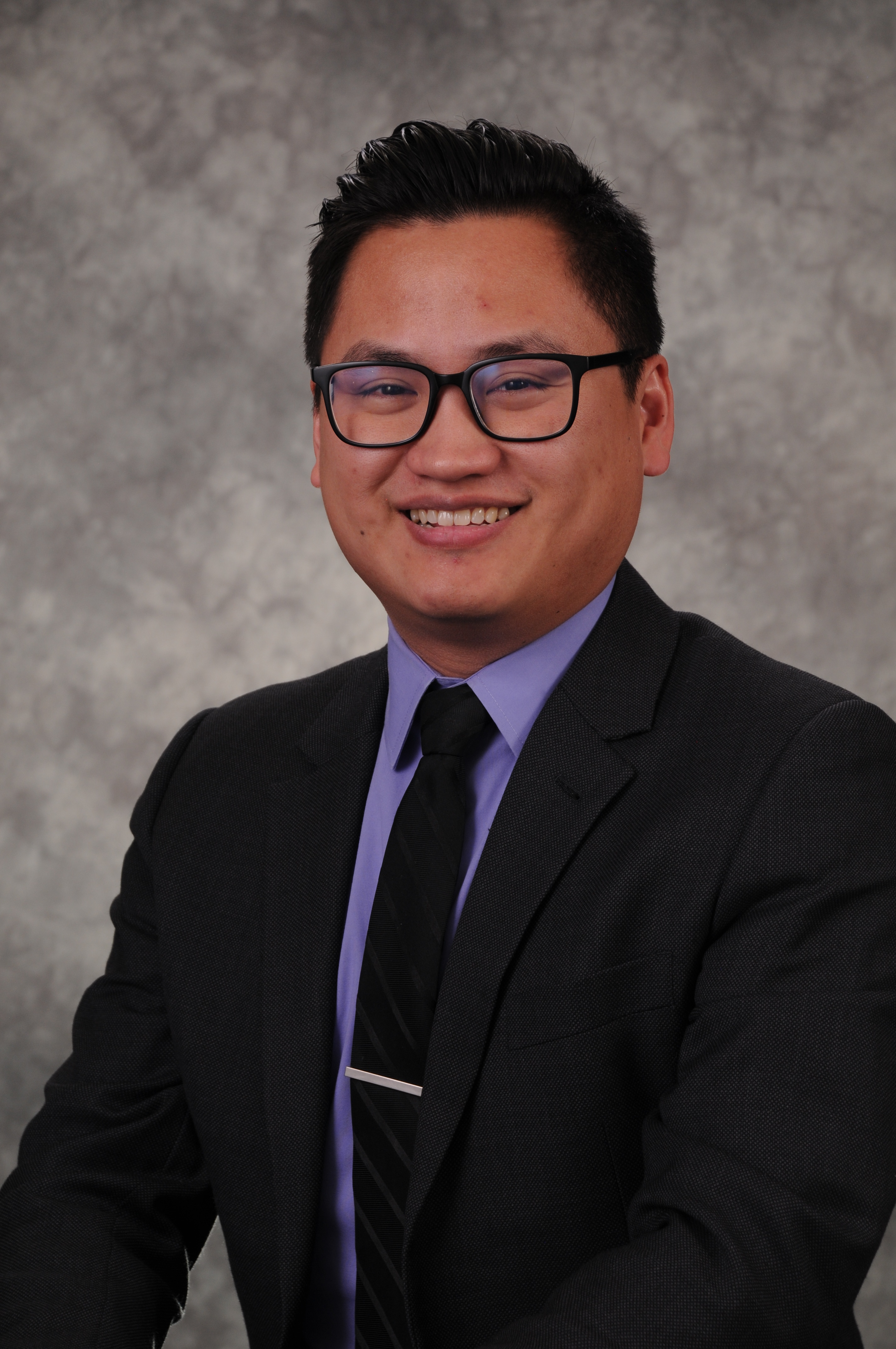
  • Headshots: Professional, polished portraits of employees and executives for corporate websites, LinkedIn profiles, and internal communications. These headshots can be taken in-studio or on-location with appropriate background settings.
  • Team Photos: Group photographs of teams or entire departments to represent company culture and teamwork. These images are often used on company websites, annual reports, and marketing materials.
  • Event Photography: Documenting corporate events such as conferences, trade shows, seminars, and company parties. This involves capturing candid moments, key speakers, and overall event ambiance.

3. Architectural and Interior Photography

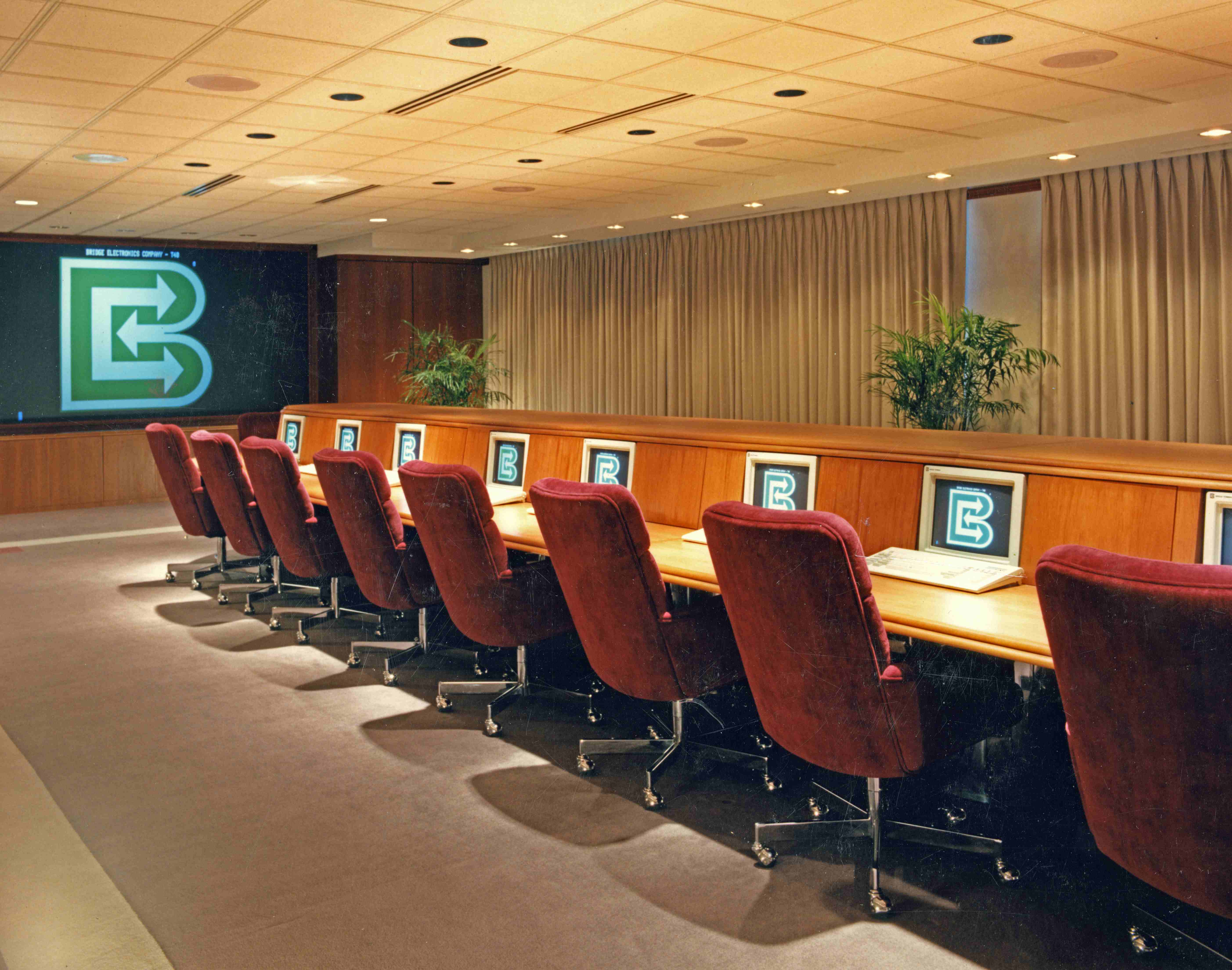
  • Office Spaces: High-quality images of office interiors to showcase the workplace environment, including workstations, common areas, and meeting rooms. This helps in highlighting the company’s infrastructure and facilities.
  • Facilities: Photographs of the business’s facilities, including both interior and exterior views. These images are crucial for real estate listings, company brochures, and marketing collateral.

4. Industrial Photography

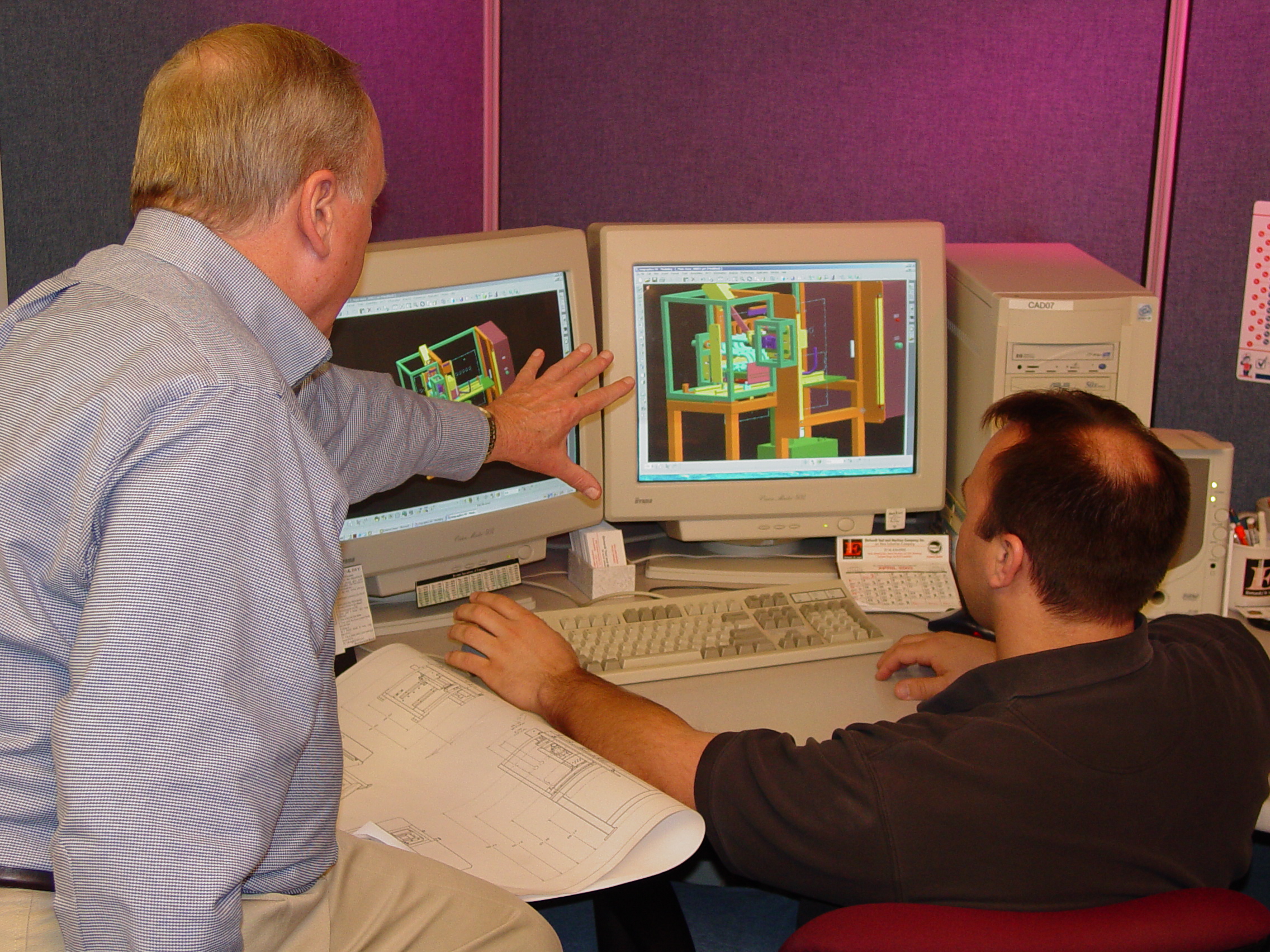
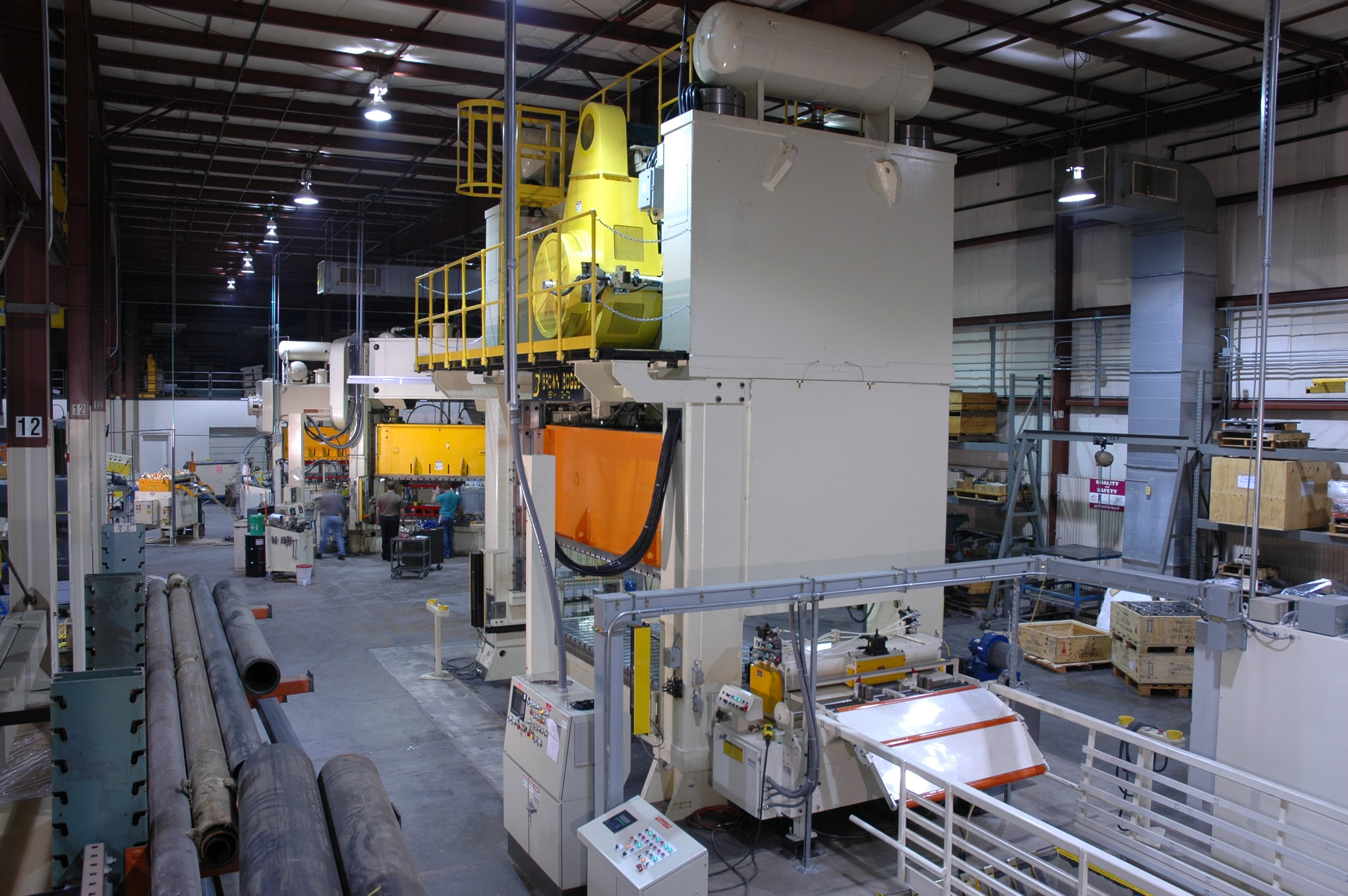
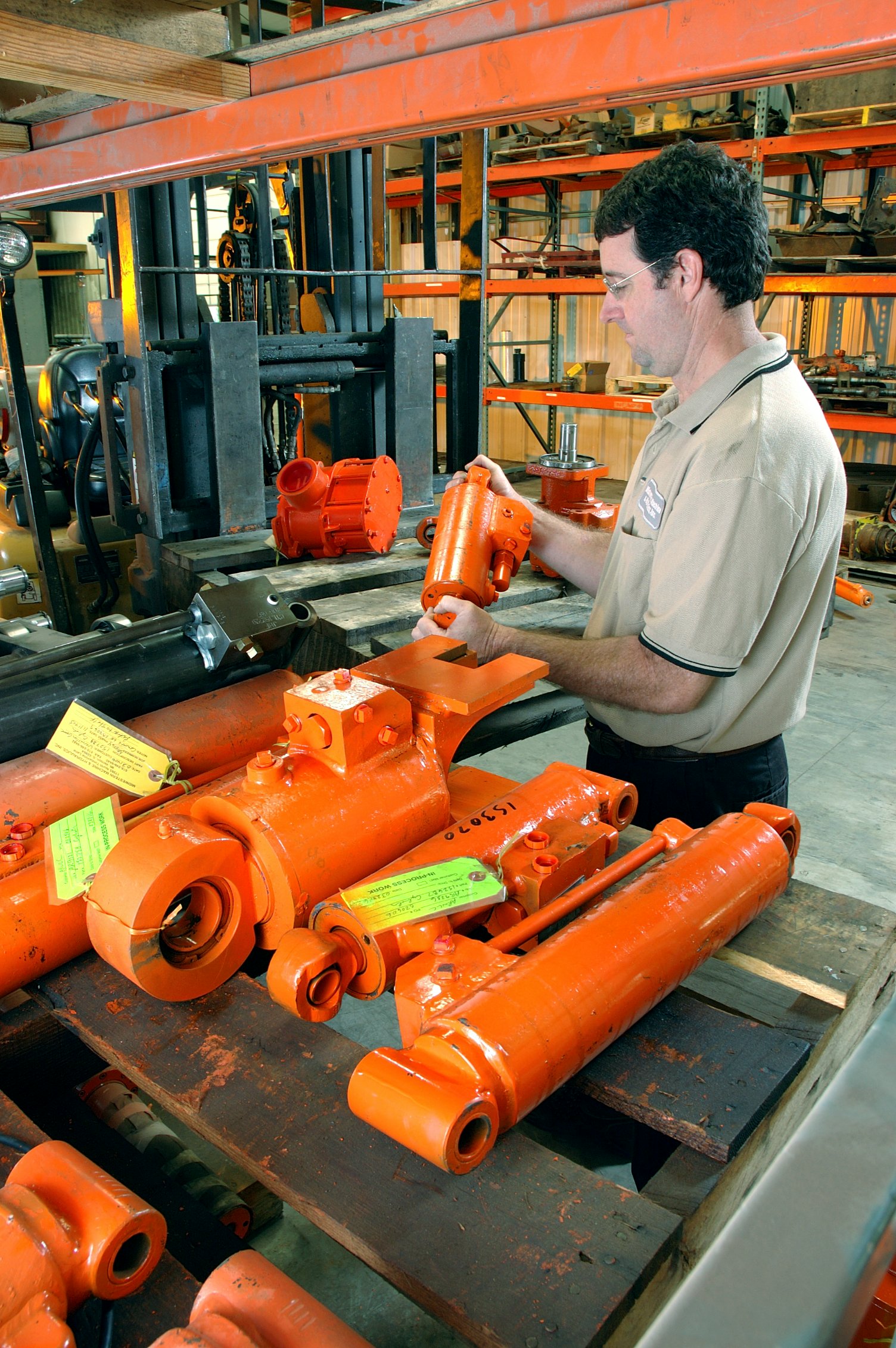
  • Manufacturing Processes: Detailed documentation of production lines, machinery, and industrial processes. These images are used in trade publications, marketing materials, and on the company’s website.
  • Equipment: Capturing detailed images of specialized equipment and tools used in operations. This helps in showcasing the company’s technical capabilities and industry expertise.

5. Drone Photography

  • Aerial Shots: High-resolution overhead images of properties, facilities, and large-scale projects. These are particularly useful for real estate, construction, and event planning.
  • Construction Progress: Monitoring and documenting the progress of construction projects from an aerial perspective. This provides a comprehensive view of the site development over time.

6. Marketing and Advertising Photography

  • Promotional Images: Creating compelling and visually appealing photos for use in marketing campaigns, advertisements, and promotional materials. This includes everything from product shots to lifestyle images.
  • Social Media Content: Producing engaging images specifically tailored for social media platforms. These images are designed to attract attention and drive engagement.

7. Editorial Photography

  • Storytelling: Capturing images that tell a story about the business, its people, and its services. These photos are often used in feature articles, blogs, and company newsletters.
  • Content for Publications: Providing images for use in industry publications, magazines, and online articles. This includes portraits, action shots, and candid moments.

8. Training and Educational Photography

  • Instructional Photos: Creating step-by-step images for training manuals, guides, and educational materials. These photos help in clearly communicating instructions and procedures.
  • Workshops and Seminars: Documenting training sessions, workshops, and seminars conducted by the business. This includes capturing speakers, participants, and key moments of interaction.

9. Customer Testimonial Photography

  • Client Portraits: Capturing portraits of satisfied clients and customers, often used alongside testimonials. These images add credibility and personal touch to client endorsements.
  • Case Studies: Providing photos that complement case studies showcasing successful projects and client collaborations. This includes before-and-after images, process shots, and final results.

10. Specialty Photography

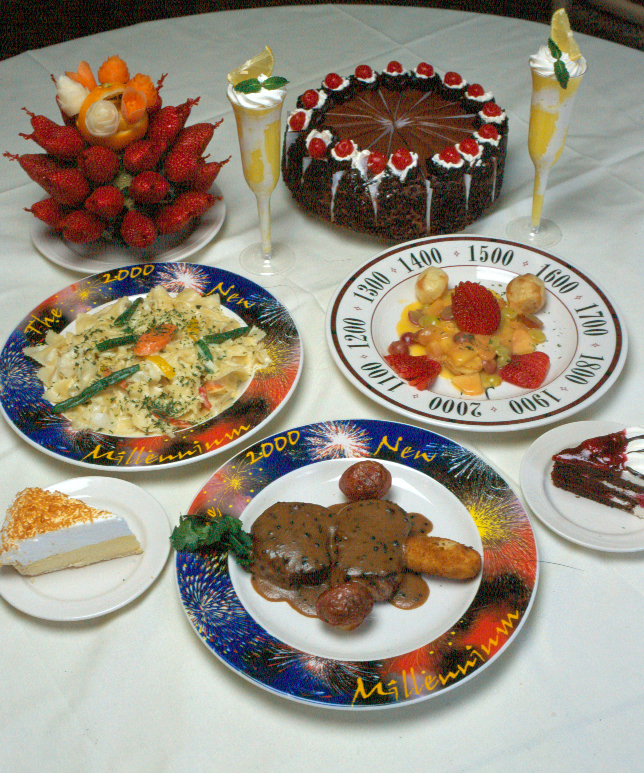
  • Food Photography: For businesses in the food service industry, capturing appetizing images of dishes and culinary creations. This involves careful styling and lighting to highlight textures and colors.
  • Fashion Photography: For businesses in the fashion industry, showcasing clothing and accessories in the best possible light. This includes studio shoots, runway shows, and lifestyle settings.
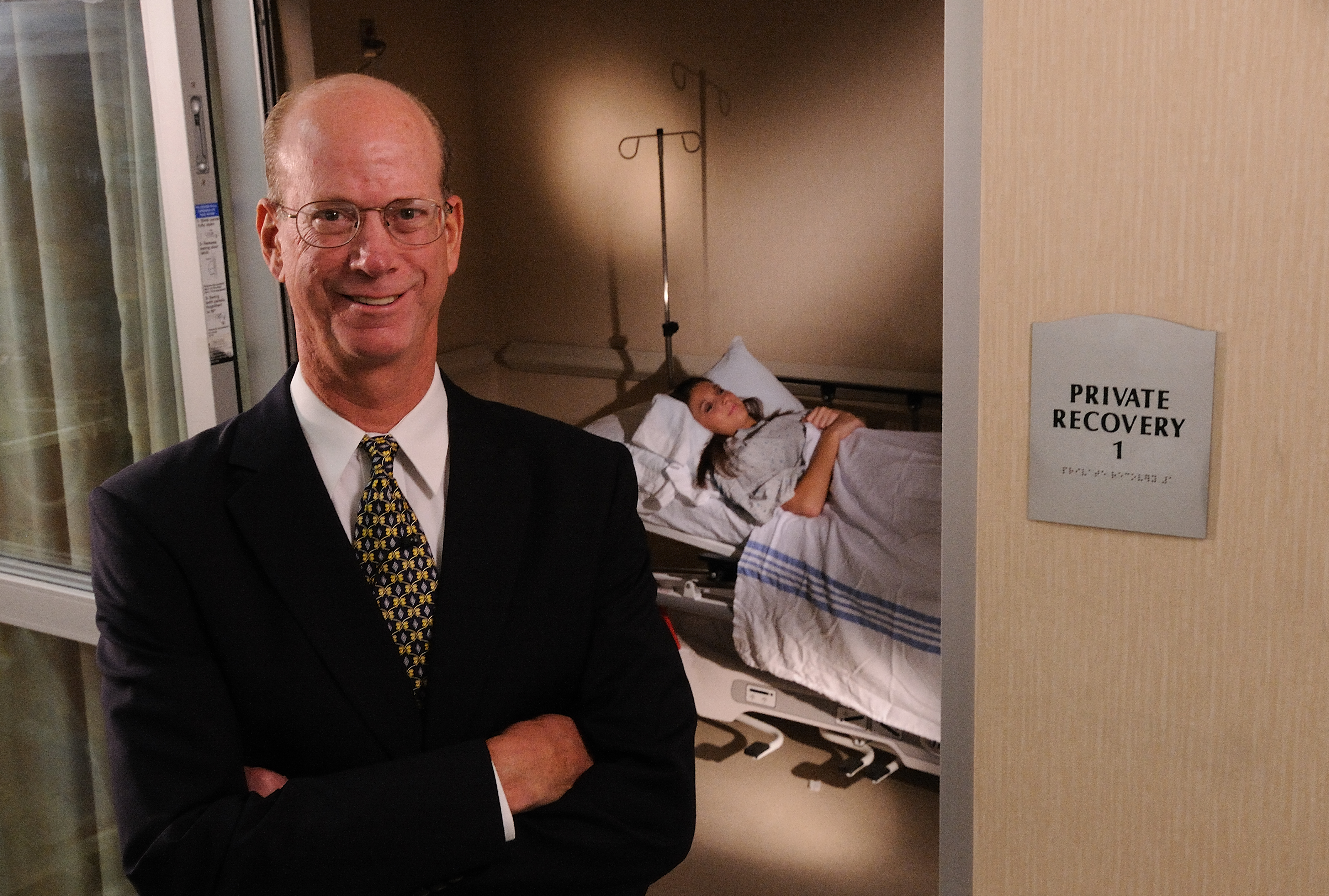
  • Healthcare Photography: Documenting healthcare services, facilities, medical staff, and patient interactions. These images help in communicating the quality of care and the human side of healthcare services.

St Louis Commercial Photographers is dedicated to providing these specialized services, ensuring that each client receives tailored photography solutions that meet their unique business needs.

314-913-5626

stlouiscommercialphotographers@gmail.com

Business photography services most in demand.

several types of business photography services are experiencing high demand due to various factors such as the need for visual storytelling, marketing, branding, and online presence. Here are the most sought-after business photography services:

Event photographers capture candid moments, keynote speakers, networking interactions, and branding elements to create lasting memories and promotional materials.
  1. Product Photography: E-commerce businesses, retailers, and brands require high-quality product photography to showcase their products effectively online. Product photographers specialize in capturing images that highlight the features, details, and aesthetics of various products, ranging from consumer goods to luxury items.
  2. Commercial Advertising Photography: Advertising agencies, marketing firms, and businesses across industries rely on commercial advertising photography to create compelling visual campaigns for print ads, digital advertisements, billboards, and social media platforms. Commercial photographers excel in creating visually striking images that convey brand messages and attract target audiences.
  3. Corporate Headshots and Portraits: Professional headshots and corporate portraits are essential for establishing credibility, building trust, and making a strong first impression in the business world. Corporate photographers provide executive portraits, team photos, and LinkedIn headshots for professionals, executives, and employees.
  4. Architectural and Real Estate Photography: Architects, real estate agents, property developers, and interior designers utilize architectural and real estate photography to showcase properties, buildings, and interior spaces. Photographers specializing in architectural photography capture the design, aesthetics, and unique features of residential and commercial properties.
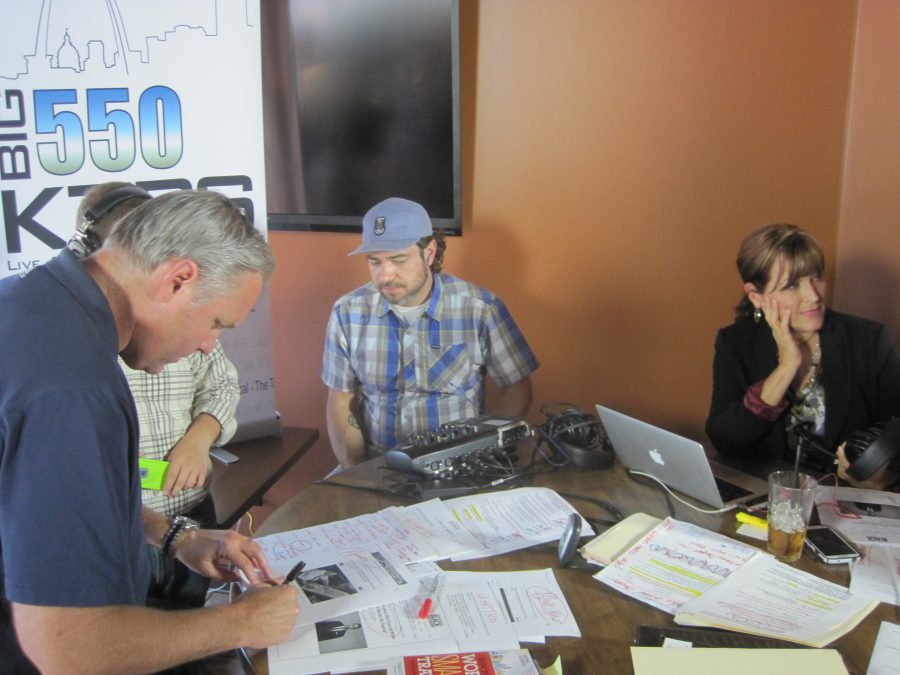
  5. Event Photography: Businesses, organizations, and event planners require event photography services to document corporate events, conferences, trade shows, product launches, and social gatherings. Event photographers capture candid moments, keynote speakers, networking interactions, and branding elements to create lasting memories and promotional materials.
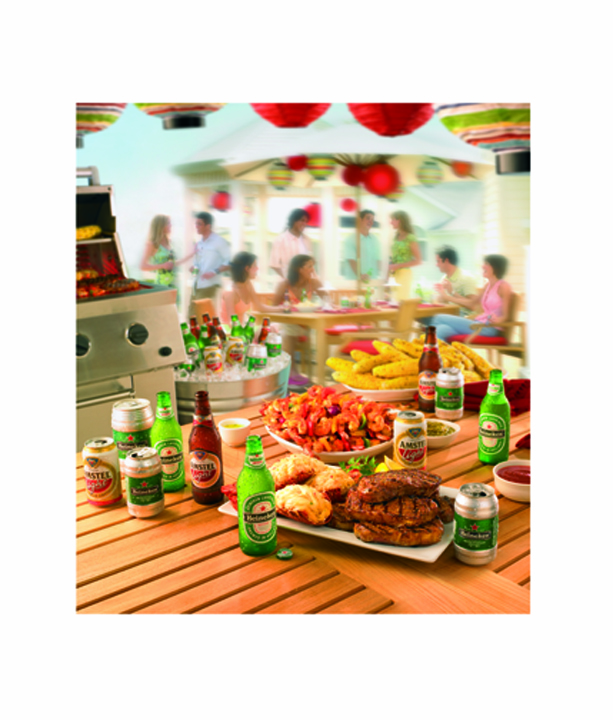
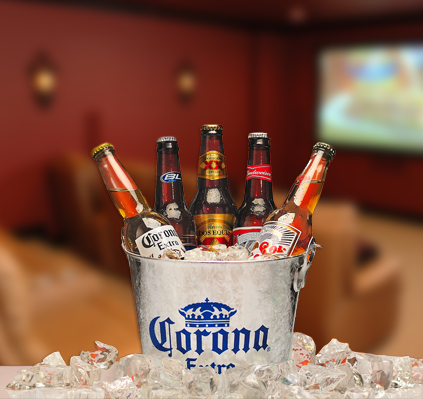
  6. Food and Beverage Photography: Restaurants, cafes, food brands, and culinary professionals rely on food and beverage photography to showcase their menu items, culinary creations, and beverage offerings. Food photographers specialize in capturing mouth-watering images that highlight the presentation, textures, and flavors of food and drinks.
  7. Corporate Event Coverage: Companies often hire photographers to cover corporate events such as annual meetings, employee conferences, awards ceremonies, and corporate retreats. Corporate event photographers document the proceedings, keynote presentations, networking sessions, and employee interactions for internal use and marketing purposes.
  8. Interior Design Photography: Interior designers, decorators, architects, and furniture retailers utilize interior design photography to showcase their design projects, home decor products, and furnishings. Interior photographers focus on capturing the aesthetics, spatial layout, lighting, and design elements of interior spaces.
  9. Stock Photography and Image Licensing: Businesses and creative professionals access stock photography libraries and image licensing platforms to find high-quality images for marketing materials, websites, presentations, and publications. Stock photographers contribute their images to online marketplaces and agencies for commercial use by businesses worldwide.
  10. Virtual Tours and 360° Photography: Businesses in the hospitality, tourism, real estate, and entertainment industries leverage virtual tours and 360° photography to provide immersive experiences for customers and clients. Photographers specializing in virtual tours create interactive panoramic images that allow viewers to explore spaces and destinations remotely.

These business photography services cater to diverse industries and purposes, reflecting the growing demand for visually compelling imagery in today’s competitive business environment.

314-913-5626

stlouiscommercialphotographers@gmail.com

St Louis Photographers for Commercial Marketing, Advertising and Public Relations.

It’s great to collaborate with institutions as a commercial photographer. Using authentic images, I produce compelling creative images that resonate with the public.

My commercial photography in St. Louis mainly consists of shooting for academic institutions and local companies. From simple headshots for public relations materials to entire image libraries, I’m able to handle a wide range of assignments.

St Louis medical marketing photographers

I also make video advertisements and raw footage for social media posts. I enjoy summarizing researchers’ ideas into short videos to make them accessible.

I specialize in product, organization, and corporate photography. I have been able to spread science-based companies’ narratives across the world. I frequently photograph in their labs and offices, but I enjoy meeting the end-users and demonstrating how their research alters lives. Because of my experience working with people outside of the studio, I have learned patience and language skills.

Industrial marketing and advertising photographers

When clients in St. Louis need industrial photography, the first thing we do is identify their objectives. I enjoy capturing their manufacturing processes in a neat and professional manner. Usually, we collaborate to create a library of photographs for future advertisements and social media posts.

Around St. Louis, many organizations and universities require a portrait photographer. I can photograph people on location or in my studio. My local knowledge, experience, and technical flexibility allow me to create narrative portraits in any environment.

St Louis science-based marketing imagery

Creating a single “hero” image or a library of hundreds of photographs is included in corporate photography projects. I’d be happy to discuss how to integrate your vision into your budget if you know what you need.

Pricing for commercial photography is determined by three variables: the quantity of photos taken, the range of usage rights granted, and the complexity of the shoot.

Mike Haller
314-892-1233
stlouiscommercialphotographers@gmail.com

Experienced event photographers with all the latest gear.

It’s one thing to know how to use a camera, get the right lighting, and add the finishing touches by editing. It’s another for us to be able to shoot the event’s greatest memories and pretty much go unseen.

Great Communication and a Strong Work Ethic
Just give us an estimate of how many people will be attending and a list of the key things happening throughout the event.

High Quality, Beautiful Photos
The better an event is executed, the better the photos tend to turn out, too.

This is partly because guests are truly able to enjoy themselves and because everything goes according to plan.

Between having the best cameras, tripods, high-end lens, every photo is sure to turn out top-notch.

Event photography with aerial and ground photo crews

Creative Angles and Captures
In addition to the high-resolution of each photo, you can trust there will be unique, memorable moments that will last a lifetime.

in the room and to highlight all the unique details.

Great Event Photos Double as Advertising Opportunities for much of social media.
Between the quality of each photo and the great content the images display, you have so many possibilities of what you can do with our final product. Use them right away in a follow-up blog from the event or a social media recap.

If you’re already putting so much effort into a great event with delicious catering and fun entertainment, you have to make those moments memorable. Use our professional event photography to capture them.

Mike Haller
314-913-5626
stlouisphotos@gmail.com