Tag Archives: st louis photographer

Why Construction Site Photography Matters for Your Projects

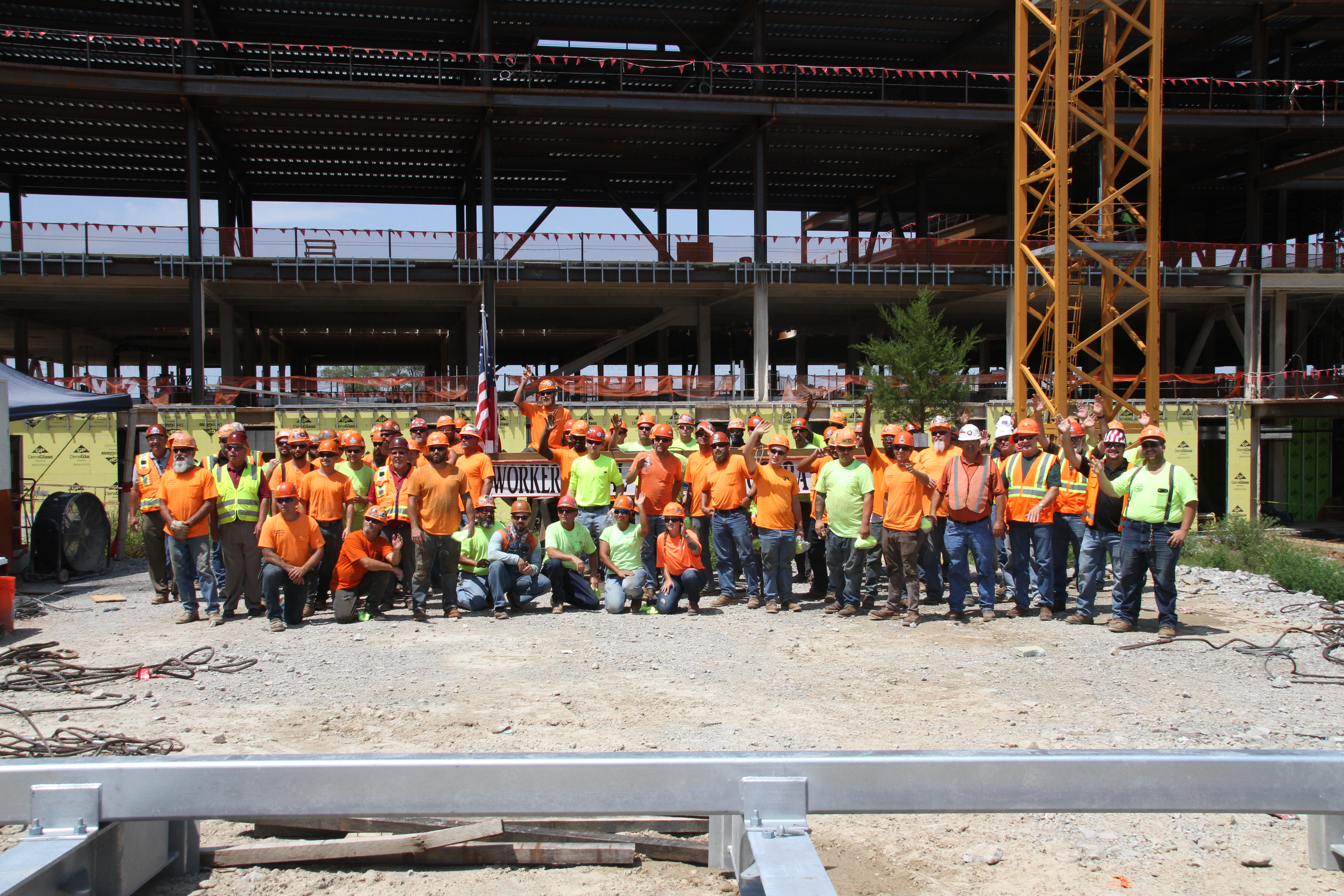
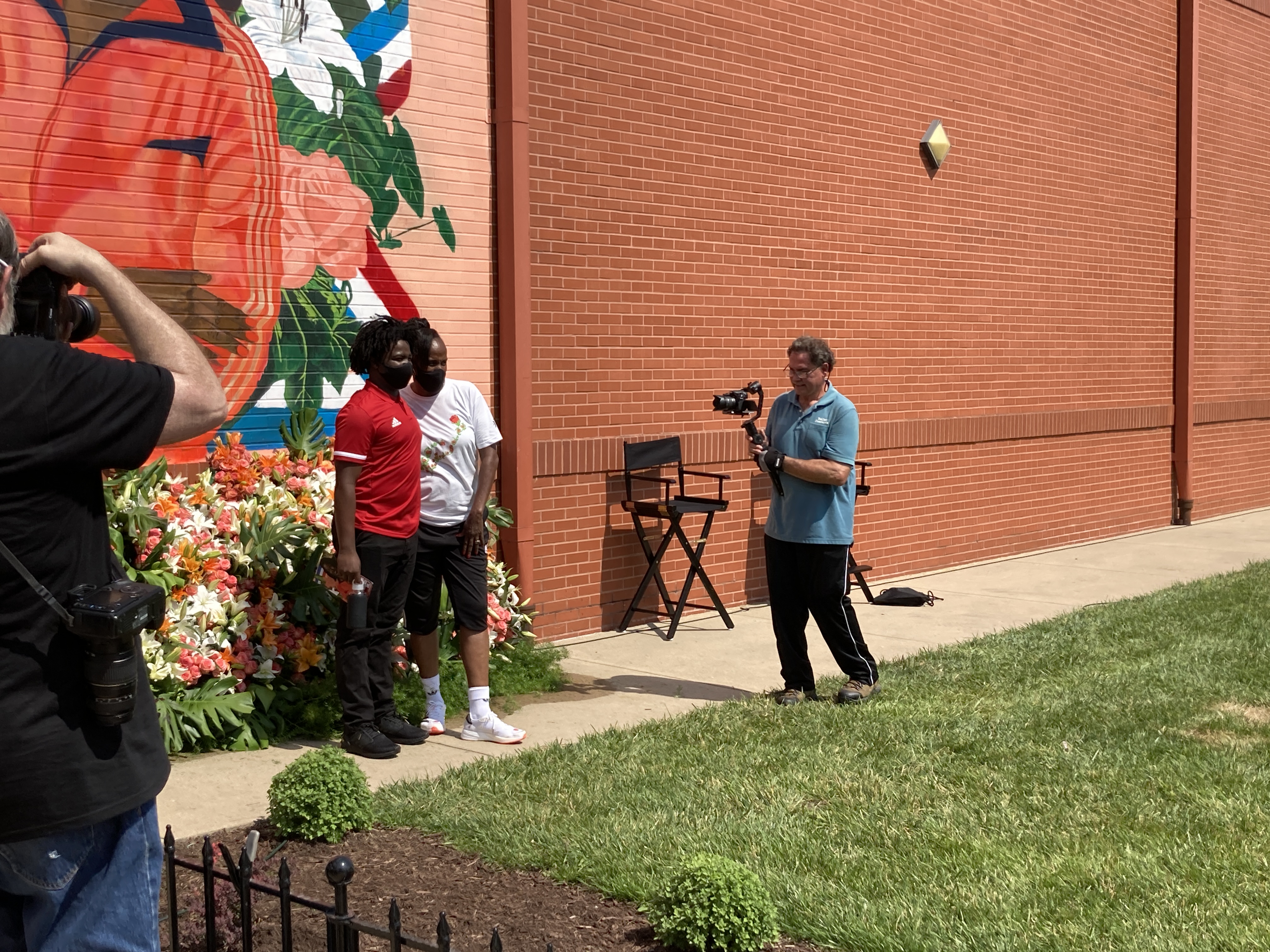
In the construction industry, visual documentation plays a critical role in capturing the progress, details, and overall essence of a project. High-quality construction site photography not only offers an accurate representation of the work but also enhances project management, marketing, and client relations. Here’s why construction site photography should be a central component of your next project, and how professional photographers and videographers can make a difference.

From initial site preparation to final finishes, professional construction photography captures each phase, providing visual records that can be referenced by both contractors and clients.

1. Documenting Project Progress

Construction projects are dynamic, with timelines that span months, if not years. Regular photography ensures that progress is well-documented and can be reviewed at any time. From initial site preparation to final finishes, professional construction photography captures each phase, providing visual records that can be referenced by both contractors and clients.

Regularly updated photos help construction managers assess the progress of the project, identify potential problems early, and ensure that work is proceeding according to schedule. When these photos are taken with high-quality equipment, they can also serve as useful references for resolving disputes or verifying milestones.

2. Marketing and Branding Your Project

High-quality images of a construction site can be a powerful marketing tool for both contractors and developers. These photos can be used for websites, brochures, social media, and investor presentations, providing a polished and professional image of your work.

Professional photographers and videographers have the expertise to create compelling visuals that tell the story of a construction project from start to finish. They know how to highlight your project’s key features while ensuring the quality of the image reflects your commitment to excellence.

3. Enhancing Client Relationships

A visual record of a construction project is a great way to keep your clients engaged throughout the duration of the project. Regular updates can be provided through photo reports, which keep clients informed about the project’s development. This transparency fosters trust, improves communication, and strengthens your relationship with the client.

Additionally, documenting the quality and craftsmanship of each stage of the build can be an excellent way to showcase your company’s work to potential clients. It provides tangible evidence of your abilities and helps differentiate you from competitors.

4. Insurance and Liability Protection

Construction site photography can also serve as a crucial safeguard when it comes to insurance and liability. By taking high-resolution images of the construction site before, during, and after the project, you create an official record that can be invaluable in case of disputes, accidents, or insurance claims.

Documenting the site in great detail helps protect both your business and your client, offering a clear understanding of the site’s condition at every stage. It’s a proactive way to avoid any misunderstandings that might arise later.

5. Meeting Legal and Regulatory Requirements

In many cases, local regulations or building codes require visual documentation of certain stages of construction. Whether it’s a permit inspection or ensuring compliance with environmental regulations, construction site photography can be used to meet these requirements.

Having professional photos taken ensures that all visual records comply with necessary standards, while also providing a historical reference should you need to prove adherence to safety or building codes.

6. Aerial Photography for Wider Context

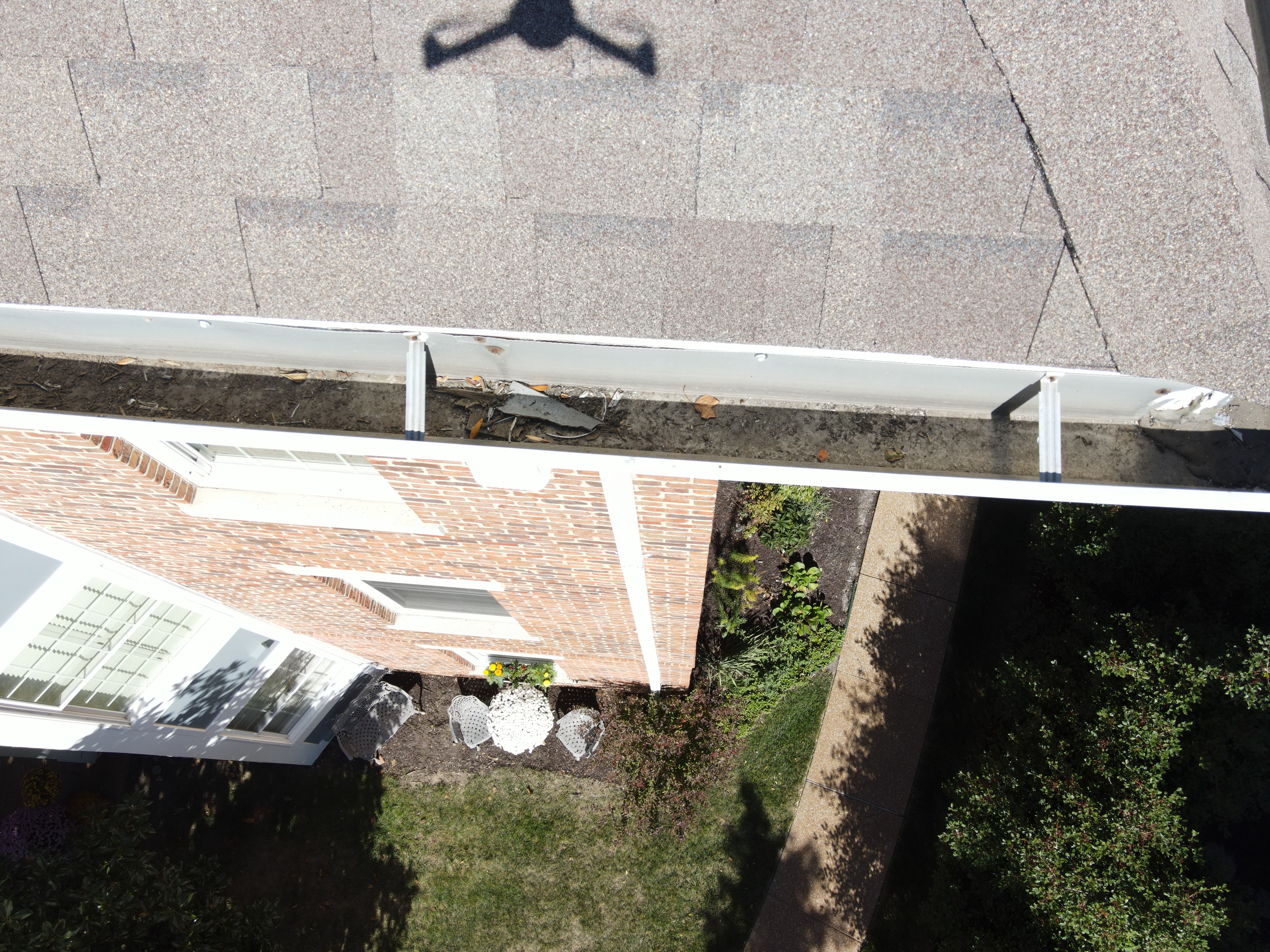
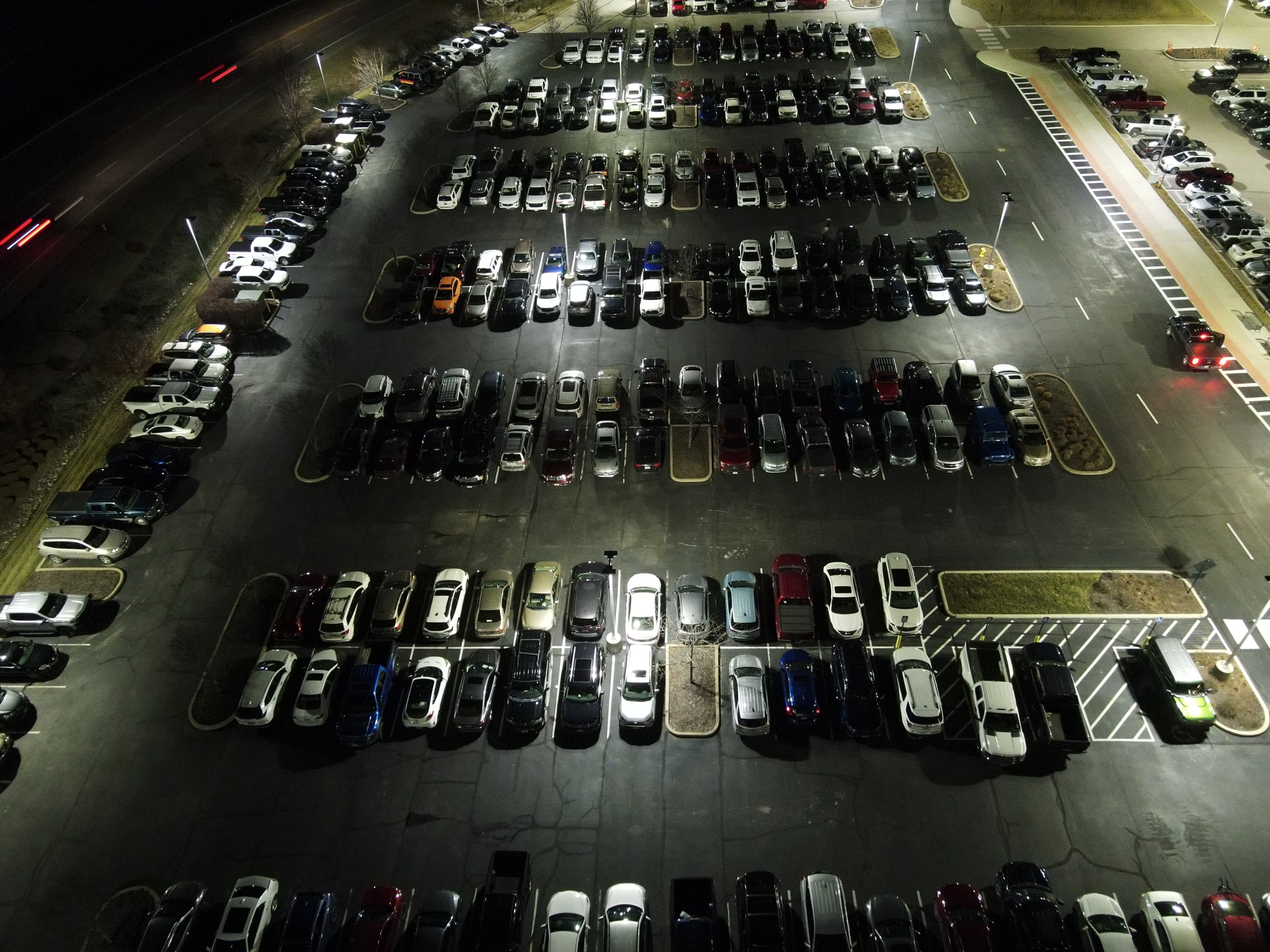
In some construction projects, aerial photography can give a unique perspective that ground-level photos can’t capture. Using specialized drones, professional photographers can capture wide-angle shots of the entire construction site, providing a detailed view of the entire layout, surrounding area, and project scope.

Aerial imagery can be especially useful for large-scale projects, helping stakeholders visualize the site’s context in relation to its surroundings, or for tracking progress over a longer time frame.

How St. Louis Commercial Photographers Can Help

At St Louis Commercial Photographers, we have over 40 years of experience in commercial photography and video production. Our team is equipped with the right tools and expertise to deliver exceptional construction site photography that meets your needs. Whether you need on-site photography for project updates, marketing materials, or insurance documentation, we have you covered.

We offer full-service studio and location video and photography, as well as editing, post-production, and licensed drone pilots. Our experienced creative crew can customize your productions for diverse media requirements, ensuring that every shot aligns with your vision. Whether you need to repurpose your photography and video branding for wider traction or simply require detailed site documentation, we can handle it.

Our private studio offers a versatile space for small productions and interview scenes, while our large-scale setup can accommodate props to complete your set. We can also handle full-scale productions, from setting up custom interview studios to providing sound and camera operators. We are well-versed in all media styles, file types, and the latest software tools to ensure a smooth production process.

With St Louis Commercial Photographers, you can count on us to help you every step of the way—from capturing the finest details of your construction site to creating high-quality images that showcase the essence of your work. As a full-service commercial photography and video production company, we’ve worked with countless businesses, marketing firms, and agencies in the St. Louis area since 1982, and we’re ready to bring that expertise to your next project.

Let us help you capture the visual story of your next construction project and turn it into a powerful asset for your business.
314-913-5626

stlouiscommercialphotographers@gmail.com

Cost-Saving Tips for Working with Your Video and Photo Crew

In today’s fast-paced business environment, effective marketing often hinges on high-quality visual content. However, creating compelling videos and photographs can come with a hefty price tag. To maximize your return on investment, it’s essential to work strategically with your video and photo crew. Here are some cost-saving tips that will help you streamline your production process without sacrificing quality.

Post-production can often be where costs spiral out of control. Ensure your crew is efficient in editing and has a clear plan for how long the editing process will take.

1. Plan Ahead

One of the most effective ways to cut costs is thorough pre-production planning. Take the time to outline your goals, target audience, and the message you want to convey. By having a clear vision, you can avoid unnecessary changes during production, which often lead to increased expenses. Additionally, consider creating a shot list and a detailed schedule to keep the project on track and within budget.

2. Choose the Right Crew

Selecting a video and photo crew with the right expertise is crucial. Experienced professionals can often execute tasks more efficiently, which can save you time and money. When hiring a crew, look for those who have a solid track record in commercial photography and videography, as they will be familiar with the nuances of capturing corporate images and narratives.

3. Utilize In-House Resources

If your company has in-house talent, consider utilizing their skills. This could involve having team members contribute to scriptwriting, project management, or even acting. Leveraging existing resources can significantly reduce costs while also fostering team engagement and investment in the project.

4. Select Cost-Effective Locations

Location plays a vital role in your video and photo production costs. Instead of renting expensive studios or venues, consider using your own office space or other free public locations. However, ensure that the chosen locations align with your brand image and are conducive to the intended message of your production.

5. Be Mindful of Equipment Choices

While high-end equipment can enhance the production value, it’s essential to balance quality with cost. Discuss with your crew which equipment is necessary for your specific project. Sometimes, using more standard gear can still yield impressive results. Additionally, consider companies that offer comprehensive services, including all necessary equipment and skilled operators, to streamline the process.

6. Focus on Editing Efficiency

Post-production can often be where costs spiral out of control. Ensure your crew is efficient in editing and has a clear plan for how long the editing process will take. Providing them with all necessary materials and a well-defined style guide can reduce back-and-forth revisions and save time in the editing phase.

7. Repurpose Existing Content

Repurposing existing photography and video content can help you save on production costs while maximizing the value of your previous work. Consider how you can edit or update older content to fit new campaigns. This strategy can provide fresh material without the need for a full production, giving your marketing efforts a cost-effective boost.

Conclusion

Working effectively with your video and photo crew is essential for producing high-quality visual content while staying within budget. At St Louis Commercial Photographers, we understand the importance of cost-effective strategies in creating impactful photography and video. With over 40 years of experience since 1982, we are a full-service professional commercial photography and video production company equipped with the right tools and a talented creative crew to ensure successful image acquisition.

We offer comprehensive services that include studio and location video and photography, editing, post-production, and licensed drone pilots. Our expertise allows us to customize productions for diverse media requirements, ensuring that your brand’s visual storytelling is both engaging and impactful.

Our private studio, equipped with advanced lighting and a flexible setup, is ideal for small productions and interviews. Whether you need a custom interview studio or specialized drone services, we have everything required to make your next video production a success. Trust St Louis Commercial Photographers to elevate your brand with high-quality visuals while maximizing your budget effectively.

314-913-5626

stlouiscommercialphotographers@gmail.com

Tips for Working with a Commercial Photographer

When it comes to representing your business visually, the role of a commercial photographer cannot be overstated. From crafting compelling corporate headshots to capturing the grandeur of your latest architectural project, a skilled photographer ensures that your brand’s essence is effectively communicated through images. As decision-makers, understanding the different facets of commercial photography can help you make informed choices and maximize the impact of your visual assets.

Repurposing your photography and video branding to gain more traction is another area where we excel.

Corporate Headshots

Corporate headshots are more than just images; they are a representation of your team’s professionalism and the face of your company. These photographs are essential for company websites, LinkedIn profiles, and other professional uses. A well-executed headshot exudes confidence, approachability, and professionalism. When working with a photographer, discuss the desired look and feel—whether it’s a traditional studio shot or something more relaxed and natural. Consider how these images will be used across different platforms, and ensure that the style aligns with your overall brand image.

Product Photography

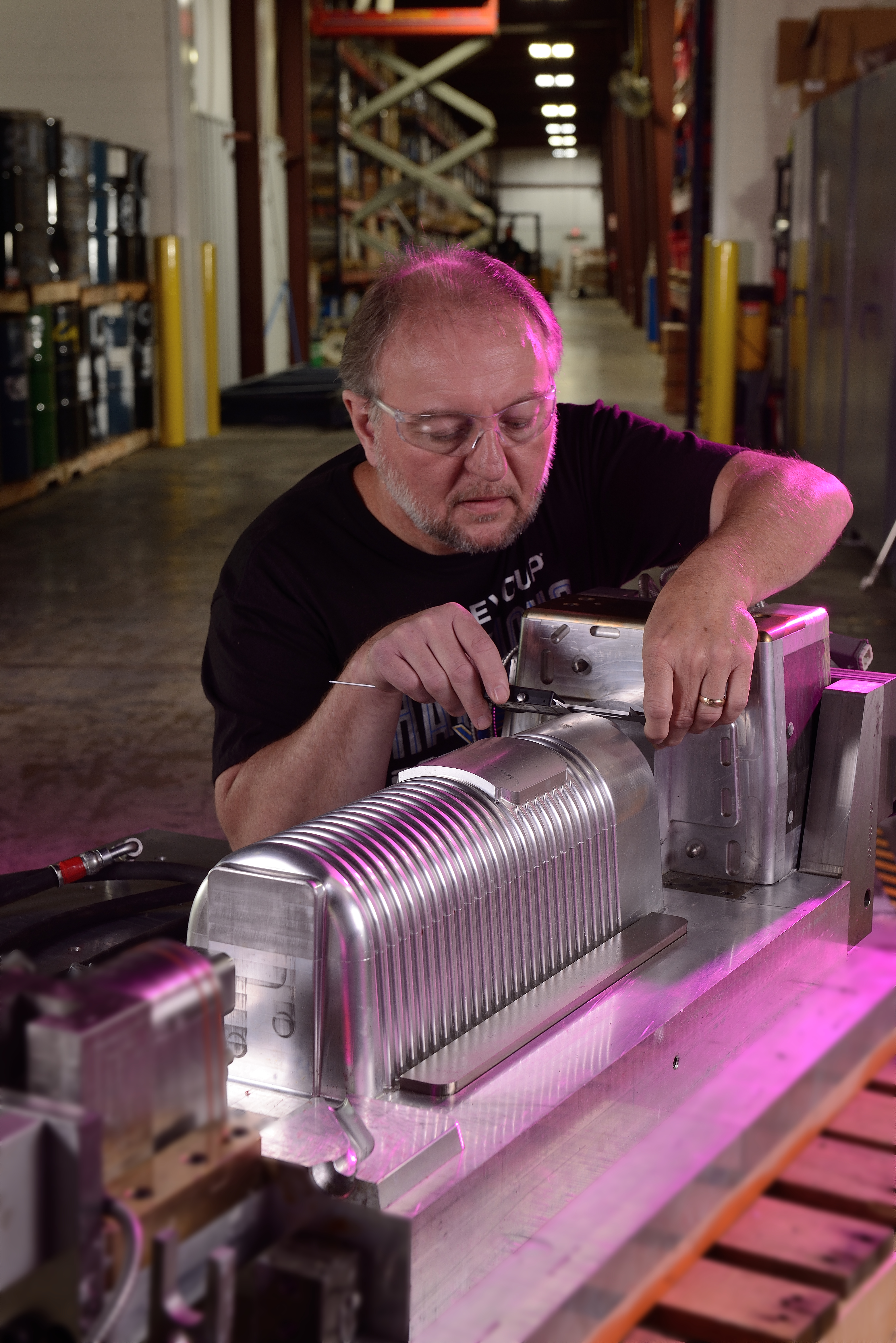
Product photography is crucial for businesses that rely on e-commerce, catalogs, or marketing materials. High-quality images of products can significantly influence purchasing decisions. A professional photographer will know how to highlight the unique features of your product, whether through lighting, composition, or creative staging. For businesses with an extensive product line, consistency in style is key. Discuss your vision with the photographer, and if possible, arrange a test shoot to ensure the results meet your expectations.

Event Photography

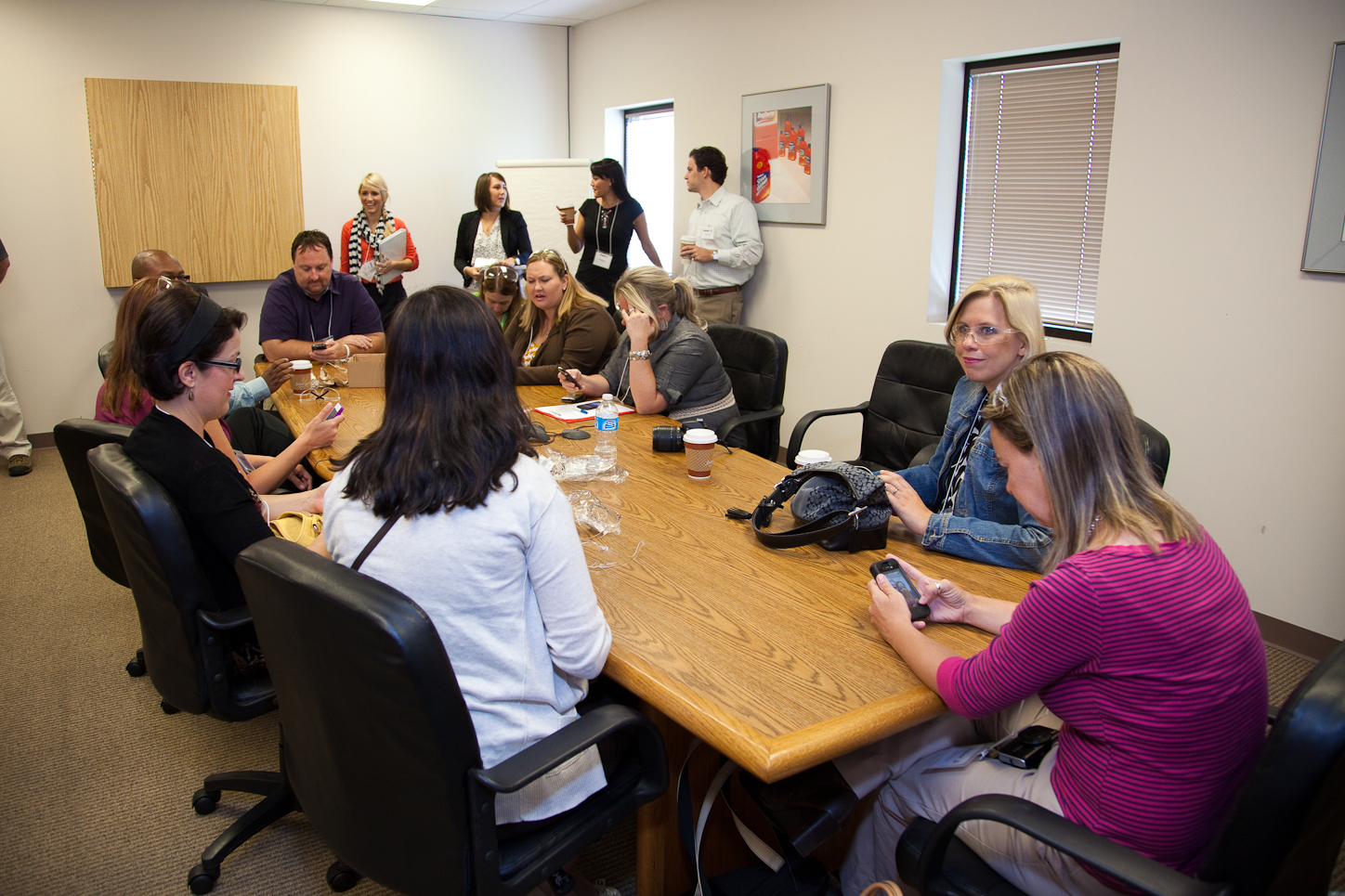
Corporate events, conferences, and gatherings are significant investments of time and resources, and capturing these moments can be invaluable for promotion and documentation. Event photography requires a keen eye and the ability to anticipate key moments. When hiring a photographer for an event, provide a detailed brief that includes the event schedule, VIPs, and any specific shots you need. A professional will work discreetly, ensuring they capture the essence of the event without disrupting it.

Branding and Lifestyle Photography

Branding and lifestyle photography are about telling your company’s story visually. These images often feature your products or services in use, set against backdrops that resonate with your brand identity. This type of photography is commonly used in advertising, social media, and marketing campaigns. It requires a photographer who understands your brand’s personality and can translate it into visual content. When planning these shoots, consider the location, models, and props that will best convey your brand’s message.

Advertising Photography

Advertising photography is where creativity meets strategy. These high-concept shoots are designed to align with specific marketing campaigns and often require elaborate setups, props, and post-production work. It’s essential to collaborate closely with the photographer to ensure that the images align with the campaign’s goals. Be clear about the message you want to convey and provide examples of styles you admire. A seasoned photographer will bring their own ideas to the table, often enhancing the creative process.

Architectural and Interior Photography

For companies in real estate, hospitality, or interior design, architectural and interior photography is crucial. High-quality images of spaces can be used in brochures, online listings, and marketing materials. These photographs need to capture the essence of the space—its design, functionality, and atmosphere. When selecting a photographer, look for someone with experience in this niche, as they will understand how to work with angles, lighting, and the unique challenges of photographing interiors.

Drone Photography

Drone photography offers a unique perspective, particularly for real estate, construction, and large-scale projects. Aerial shots can showcase the scale and scope of a project in a way that ground-based photography cannot. When considering drone photography, ensure that the photographer is licensed and experienced in this area. Discuss the objectives of the shoot, including any specific angles or features you want highlighted. Drones can also be used indoors, offering creative opportunities for capturing spaces from new vantage points.

Why Choose St Louis Commercial Photographers?

At St Louis Commercial Photographers, we bring decades of experience to the table, offering full-service professional commercial photography and video production. Our team is equipped with the latest technology and creative expertise to ensure successful image acquisition. Whether you need studio or location shoots, editing, post-production, or licensed drone pilots, we have the capabilities to customize your productions for diverse media requirements.

Repurposing your photography and video branding to gain more traction is another area where we excel. We are well-versed in all file types and media styles, ensuring that your content is ready for any platform. Our private studio lighting and visual setups are perfect for small productions and interview scenes, and our space is large enough to incorporate props for a well-rounded set.

From custom interview studio setups to providing sound and camera operators, we handle every aspect of your production. We even have specialized drones that can fly indoors, offering a new dimension to your projects. Since 1982, we have worked with countless businesses, marketing firms, and agencies in the St. Louis area, delivering exceptional corporate photography and video services. Let us make your next video production perfect.

314-913-5626

stlouiscommercialphotographers@gmail.com

Tradeshow Video and Photography: Capturing the Essence of Your Brand

Whether you’re preparing for a major industry tradeshow or a local networking event, the visual representation of your brand can make a lasting impression on potential clients, partners, and stakeholders.

At tradeshows, a well-produced video can convey your brand story, highlight product features, and engage viewers in ways that static images or text alone cannot.

Why Invest in Professional Video and Photography for Tradeshows?

Tradeshows serve as vital platforms for businesses to showcase their products, services, and brand identity. Professional video and photography play a crucial role in effectively communicating your brand message and attracting the attention of your target audience amidst the bustling environment of a tradeshow floor.

Video Production: Bringing Your Brand to Life

Video content has become a cornerstone of modern marketing strategies. At tradeshows, a well-produced video can convey your brand story, highlight product features, and engage viewers in ways that static images or text alone cannot. From high-definition promotional videos to informative product demonstrations, our team at St Louis Commercial Photographers specializes in creating impactful video content tailored to your specific tradeshow objectives.

Photography: Capturing Moments, Making Memories

Photography at tradeshows goes beyond snapping pictures of your booth. It’s about capturing the energy, interactions, and key moments that define your brand experience. Our experienced photographers excel at capturing candid shots, product details, and engaging portraits that showcase your team’s professionalism and the uniqueness of your offerings.

Repurposing Your Content for Maximum Impact

Beyond the tradeshow floor, the content we create for you is versatile. We understand the importance of repurposing photography and video assets across various marketing channels—from social media campaigns and website updates to print materials and email newsletters. This approach ensures that your investment in visual content continues to deliver value long after the tradeshow ends.

Commonly Asked Questions about Video and Photography for Tradeshows:

  1. Do I really need professional video and photography for my tradeshow booth? Yes, professional visuals help you stand out amidst competition and convey professionalism and quality.
  2. Can you handle both video and photography for our tradeshow booth? Absolutely! We offer comprehensive services to cover all your visual content needs under one roof.
  3. How can video enhance my tradeshow presence? Video engages visitors more effectively than static displays, conveying information quickly and memorably.
  4. What types of photography do you recommend for tradeshows? We recommend a mix of candid shots, product close-ups, and team portraits to capture the full scope of your tradeshow experience.

Choose St Louis Commercial Photographers for Your Next Tradeshow

With over four decades of experience serving businesses, marketing firms, and agencies in the St. Louis area, St Louis Commercial Photographers stands ready to elevate your tradeshow presence. Our full-service approach—from initial concept to final delivery—ensures that your video and photography needs are met with precision and creativity. Contact us today to discuss how we can tailor our services to meet your specific tradeshow goals.

314-913-5626

stlouiscommercialphotographers@gmail.com

Exploring Different Creative Lighting Trends in Product Photography

In the world of commercial photography, product photography is a unique and specialized field. It requires a deep understanding of lighting, composition, and the ability to highlight the features of a product effectively. As an experienced product photographer at St. Louis Commercial Photographers, I’m here to take you on a journey through the fascinating world of creative lighting trends in product photography.

Color gels can be used creatively to match a product’s branding or to add a touch of drama to the image.

Product photography is all about showcasing products in the best possible way, making them look appealing and enticing to potential customers. The right lighting can make all the difference, transforming a mundane product into a work of art. In this article, we will explore some of the latest creative lighting trends that can help you achieve stunning product shots.

The Importance of Creative Lighting in Product Photography

Before diving into the trends, let’s first understand why creative lighting is crucial in product photography. Lighting plays a pivotal role in setting the mood, creating depth, and emphasizing the product’s features. It can evoke emotions and tell a story about the product, making it more relatable to the audience.

Poorly lit product images can make even the most exceptional products look dull and unattractive. On the other hand, strategically applied creative lighting can make a product pop, emphasizing its texture, shape, and color. It can make a viewer feel like they can reach out and touch the product.

Now, let’s explore some of the innovative lighting techniques that professional product photographers are using today.

1. Natural Light Photography

Natural light is one of the most sought-after lighting sources in product photography. It offers a soft, even illumination that can beautifully highlight the product’s details without harsh shadows. Photographers often use diffusers or reflectors to control and enhance natural light.

One popular approach is to shoot near a large window or in an outdoor setting during the golden hour—the period shortly after sunrise or before sunset—when the light is warm and flattering. This soft, warm light can make products look inviting and cozy.

2. Studio Lighting with Softboxes

In a controlled studio environment, softboxes are widely used to create soft, diffused lighting. These large, rectangular or square boxes emit uniform light, minimizing harsh shadows and reflections. They are especially effective for photographing reflective or glossy products like jewelry or glassware.

By strategically positioning softboxes at different angles, photographers can achieve the desired level of illumination and shadow definition, giving products a three-dimensional look.

3. Rim Lighting for Drama

Rim lighting is a technique that involves placing a light source behind the product, creating a halo or outline around its edges. This technique adds depth and drama to the image, making the product stand out from the background.

Rim lighting is often used for products with interesting contours or textures, such as electronics or cosmetics packaging. It creates a striking contrast between the product and its surroundings.

4. Light Painting

Light painting is a highly creative technique where photographers use handheld light sources, such as flashlights or LED panels, to selectively illuminate different parts of the product. By carefully controlling the direction and intensity of the light, photographers can emphasize specific details or create unique visual effects.

This technique is particularly popular for photographing products with intricate designs or textures, as it allows for precise control over which areas are illuminated.

5. Color Gels for Mood Enhancement

Color gels are translucent sheets placed in front of light sources to add a colored tint to the lighting. This technique is used to create mood and atmosphere in product photography. Different colors can evoke various emotions and associations.

For example, warm colors like red and orange can convey a sense of warmth and comfort, while cooler colors like blue and green can create a calm and serene atmosphere. Color gels can be used creatively to match a product’s branding or to add a touch of drama to the image.

6. High-Key and Low-Key Lighting

High-key lighting involves using predominantly bright, even lighting to create a clean and minimalist look. It’s often used for products that require a fresh and airy aesthetic, such as beauty products or high-end fashion items.

Conversely, low-key lighting relies on strong contrasts between light and shadow, resulting in a more dramatic and moody atmosphere. This technique is suitable for products that want to convey a sense of mystery or luxury, like high-end watches or perfumes.

7. Multiple Light Sources for Texture

To highlight texture and surface details, photographers often employ multiple light sources. By carefully positioning and adjusting these sources, they can create interesting highlights and shadows that bring out the product’s tactile qualities.

This technique is commonly used for products like clothing, accessories, or textiles, where texture is a key selling point. It can make fabrics appear soft and inviting or emphasize the intricate patterns and weaves.

8. Practical Lighting Props

Sometimes, using practical props like candles, lanterns, or string lights can add a unique touch to product photography. These props not only provide additional sources of illumination but also create a cozy and inviting ambiance.

For instance, using string lights to create a warm, twinkling background can make a product feel festive and celebratory, perfect for holiday-themed marketing campaigns.

9. Focus Stacking for Maximum Sharpness

Focus stacking is a technique that involves taking multiple images of the same product at different focus points and then merging them in post-production. This results in a final image with exceptional depth of field and sharpness throughout.

Focus stacking is particularly useful for products with intricate details or those shot at close distances, such as macro photography of jewelry or small electronics.

10. Subtractive Lighting Techniques

In some cases, photographers use subtractive lighting techniques to create dramatic effects. This involves strategically blocking or reducing the amount of light reaching certain areas of the product, creating shadows and enhancing contrast.

Subtractive lighting can be used to create striking silhouettes or to draw attention to specific parts of the product, such as a logo or a unique feature.

Conclusion

In the world of product photography, creative lighting is an indispensable tool for creating compelling and visually appealing images. Each of the lighting techniques mentioned above has its own unique characteristics and can be applied to different types of products based on their features, branding, and target audience.

As a full-service photographer, St. Louis Commercial Photographers has extensive experience in harnessing these creative lighting trends to capture stunning product shots that resonate with your audience. Our team possesses the right equipment and the creative expertise needed to bring out the best in your products. Whether you require studio or location photography, image editing and retouching, or customized product images for various media requirements, we have you covered.

With a proven track record of working with businesses and agencies in the St. Louis area, St. Louis Commercial Photographers understands the unique photography needs of our local clients. We are proficient in handling various file types and styles of media, along with the accompanying software to ensure your branding images are optimized for maximum impact.

If you’re ready to elevate your product photography and showcase your products in the best light possible, reach out to St. Louis Commercial Photographers today. Let us bring our wealth of experience and creative vision to your next project, ensuring your products shine and captivate your audience.

Contact us now to discuss your product photography needs and experience the St. Louis Commercial Photographers difference.

314-913-5626

stlouiscommercialphotographers@gmail.com

Enhancing Your Photography Portfolio with Google’s Business Profiles

Are you a professional photographer looking to expand your photography portfolio and reach a wider audience? If so, you’ve come to the right place. In this comprehensive guide, we’ll delve into the world of Google’s Business Profiles and how they can be a game-changer for your photography business. As an experienced headshot photographer at St. Louis Commercial Photographers, I’ll share my insights and expertise on how to leverage this powerful platform to showcase your work, attract potential clients, and enhance your photography portfolio.

Add a variety of images, including headshots, location photography, and any specialized photography services you offer.

What Are Google’s Business Profiles?

Google’s Business Profiles, formerly known as Google My Business, are free online listings that showcase your photography business on Google Search and Google Maps. These profiles provide essential information about your photography studio, including your name, address, phone number, website, business hours, and customer reviews. Having a well-optimized Business Profile can significantly impact your online visibility and credibility.

Why Are Google Business Profiles Essential for Photographers?

  1. Increased Online Visibility: When potential clients search for photography services in your area, a well-optimized Business Profile can help your studio appear in local search results, making it easier for clients to find you.
  2. Credibility and Trust: Positive reviews and a professional Business Profile can instill trust and confidence in potential clients. People are more likely to choose a photographer with a strong online presence.
  3. Showcase Your Portfolio: Google Business Profiles allow you to showcase your best work through photos and videos. This is a fantastic opportunity to give potential clients a glimpse of your photography style and skills.
  4. Engage with Your Audience: You can interact with your clients by responding to reviews, answering questions, and providing updates on your Business Profile. This helps you build a sense of community and trust with your audience.

Now that you understand the importance of Google Business Profiles, let’s dive into how you can create and optimize your profile to enhance your photography portfolio.

Creating Your Google Business Profile

Step 1: Claim Your Profile

If you haven’t already, the first step is to claim your Business Profile. Go to the Google Business Profiles website and follow the prompts to verify and claim your studio’s listing. This may involve receiving a verification code via mail or phone.

Step 2: Complete Your Profile

Once you have access to your profile, it’s time to provide accurate and comprehensive information. Make sure to include:

  • Studio Name: Ensure your studio name is consistent with your branding.
  • Business Category: Select the most relevant category for your photography studio (e.g., Portrait Photographer, Commercial Photographer).
  • Contact Information: Include your phone number, website, and email address.
  • Business Hours: Specify your operating hours so potential clients know when you’re available.
  • Photos and Videos: Upload high-quality images and videos showcasing your portfolio. Include headshots, location photography, and any other specialties you offer.

Step 3: Collect Reviews

Encourage satisfied clients to leave reviews on your Business Profile. Positive reviews can boost your credibility and attract more clients. Be sure to respond to reviews, both positive and negative, to show your commitment to client satisfaction.

Step 4: Post Updates

Use the “Posts” feature to share updates, promotions, and news about your studio. Regularly posting fresh content can keep your profile active and engaging.

Optimizing Your Business Profile for Photography

Now that your Business Profile is set up, it’s time to optimize it for photography. Here are some tips to make your profile stand out:

1. Professional Profile Photo

Choose a high-resolution profile photo that represents your photography studio. It could be your logo or a professional headshot.

2. Showcase Your Portfolio

Utilize the “Photos” and “Videos” sections to showcase your best work. Add a variety of images, including headshots, location photography, and any specialized photography services you offer.

3. Use Keywords

In your business description and posts, incorporate relevant keywords related to your photography niche and location. This can improve your search engine ranking and visibility.

4. Highlight Specialties

If you specialize in a particular style of photography or offer unique services like photo editing, make sure to mention them in your profile and posts.

5. Consistency

Ensure that the information on your Business Profile matches your website and other online listings. Consistency builds trust with potential clients.

Leveraging Google Business Profiles for Client Acquisition

Now that your profile is optimized, let’s explore how to use it to attract clients and enhance your photography portfolio:

1. Encourage Reviews

As mentioned earlier, encourage your satisfied clients to leave positive reviews on your profile. These reviews can act as endorsements for your photography skills and professionalism.

2. Share Updates and Offers

Regularly post updates, promotions, and special offers on your Business Profile. This not only keeps your profile active but also entices potential clients to engage with your studio.

3. Engage with Clients

Respond promptly to inquiries, questions, and reviews. Engaging with your audience shows that you care about their needs and opinions.

4. Utilize Google Posts

Take advantage of Google Posts to share your latest work, behind-the-scenes glimpses of your studio, and photography tips. These posts can keep your audience engaged and informed.

5. Monitor Analytics

Google provides valuable insights into how users interact with your profile. Pay attention to these analytics to refine your strategy and understand what content resonates with your audience.

Showcase Your Photography Expertise

As a professional headshot photographer at St. Louis Commercial Photographers, I can attest to the effectiveness of Google Business Profiles in showcasing our work and attracting clients. We offer full-service studio and location production, including location photography and photo editing, making us well-equipped to cater to diverse photography needs.

Our extensive production equipment and experienced crew enable us to create impactful professional images for businesses in the St. Louis area. We are well-versed in all file types and styles of media, ensuring that we can customize your personal identity brand for all your diverse media platforms.

Whether you’re a budding photographer or an established one, Google Business Profiles can be a powerful tool to enhance your photography portfolio and attract new clients. By following the steps outlined in this guide and optimizing your profile for photography, you can position yourself for success in the competitive world of commercial photography.

Don’t miss out on the opportunity to elevate your photography business with Google Business Profiles. As a full-service image creation company, St. Louis Commercial Photographers has worked with many businesses in the St. Louis area to create impactful professional images. Contact us today, and let’s take your photography portfolio to the next level!

Contact St. Louis Commercial Photographers for all your photography and video production needs, and start showcasing your photography expertise with a strong online presence.

314-913-5626

stlouiscommercialphotographers@gmail.com

How Pre-Planning Can Save You Time and Money in Your Business Video Production

Video has become an increasingly popular medium for businesses to engage with their audience and deliver their message effectively. Whether it’s for marketing, training, or internal communication purposes, video production plays a crucial role in today’s business landscape. However, without proper pre-planning, it’s easy to run into obstacles that can waste both time and money. In this article, we will explore the importance of pre-planning in business video production and how it can save you valuable resources.

By investing in thorough pre-planning, you can ensure a smooth workflow, minimize revisions, and achieve your desired outcomes.

What is Pre-Planning in Video Production?

Pre-planning, also known as pre-production, is the initial phase of video production where all the groundwork is laid out before the cameras start rolling. It involves careful planning, organization, and decision-making to ensure a smooth and successful video production process. Pre-planning encompasses various key aspects, including conceptualization, scriptwriting, storyboarding, location scouting, talent casting, scheduling, and budgeting.

The Benefits of Pre-Planning in Business Video Production

1. Clearly Defined Goals and Objectives

Pre-planning allows you to establish clear goals and objectives for your business video. This involves identifying your target audience, determining the key messages you want to convey, and defining the desired outcomes of the video. By having a solid understanding of what you want to achieve, you can create a focused and effective video that resonates with your audience.

2. Efficient Resource Allocation

One of the most significant benefits of pre-planning is efficient resource allocation. Through careful budgeting and scheduling, you can allocate your resources, including time, personnel, and equipment, in the most cost-effective manner. Pre-planning helps you identify potential bottlenecks and avoid unexpected delays or additional expenses during the production phase.

3. Streamlined Workflow

Pre-planning sets the foundation for a streamlined workflow throughout the video production process. By establishing a clear timeline, assigning responsibilities, and creating a detailed production schedule, you can ensure that everyone involved understands their roles and tasks. This minimizes confusion and maximizes productivity, resulting in a smoother and more efficient production.

4. Minimized Revisions and Iterations

When you invest time and effort into pre-planning, you can catch potential issues and make necessary adjustments before production begins. By carefully crafting a script, creating storyboards, and conducting thorough rehearsals, you can identify and resolve any issues or inconsistencies early on. This proactive approach helps minimize revisions, reshoots, and costly iterations during the post-production phase.

5. Controlled Costs and Budget

Video production can quickly become expensive if not properly managed. Pre-planning enables you to set a realistic budget based on your goals and requirements. By carefully estimating the costs associated with equipment, location rentals, talent fees, post-production, and other elements, you can control your expenses and avoid unexpected financial surprises. This ensures that your video production stays within budget and delivers the desired results without breaking the bank.

6. Enhanced Creativity and Innovation

Contrary to popular belief, pre-planning doesn’t stifle creativity; it enhances it. By taking the time to brainstorm ideas, explore different concepts, and experiment with creative approaches during the pre-production phase, you can foster innovation and originality. Pre-planning allows you to think outside the box, test new techniques, and refine your vision before committing to the final production, leading to a more impactful and engaging video.

Key Steps in Pre-Planning for Business Video Production

Now that we understand the importance of pre-planning, let’s explore the key steps involved in the process:

  1. Identify Goals and Objectives: Clearly define what you want to achieve with your video. Identify your target audience, key messages, and desired outcomes.
  1. Research and Conceptualization: Conduct thorough research on your target audience, industry trends, and competitors. Brainstorm creative ideas and concepts that align with your goals and resonate with your audience.
  2. Scriptwriting: Develop a compelling script that effectively communicates your key messages. Consider the tone, language, and structure that will engage your audience. Collaborate with professional scriptwriters if needed.
  3. Storyboarding: Create a visual representation of your video through storyboarding. Sketch out key scenes, camera angles, transitions, and any visual elements that help bring your script to life. This step helps ensure a coherent and visually appealing video.
  4. Location Scouting: Identify suitable locations for your video shoot. Consider factors such as accessibility, lighting, acoustics, and relevance to your message. Visit potential locations, take photos, and make notes for reference during production.
  5. Talent Casting: Determine if your video requires actors, presenters, or voice-over artists. Conduct auditions or hire professional talent agencies to find the right individuals who can effectively deliver your message.
  6. Equipment and Crew: Assess the technical requirements of your video production, including cameras, lighting equipment, sound equipment, and editing tools. Determine if you need to hire a professional videographer, sound engineer, or editor to ensure high-quality production.
  7. Production Schedule: Create a detailed timeline that outlines all the tasks, deadlines, and milestones of your video production. Consider factors like shooting days, editing time, and post-production processes. This schedule helps keep everyone involved accountable and ensures a smooth workflow.
  8. Budgeting: Estimate the costs associated with your video production, including equipment rental, location fees, talent fees, crew expenses, and post-production costs. Allocate resources accordingly and track expenses throughout the production process to stay within budget.
  9. Risk Assessment and Contingency Planning: Identify potential risks or challenges that may arise during production. Develop contingency plans to mitigate these risks and ensure that alternative solutions are in place.
  10. Rehearsals and Pre-Production Meetings: Conduct rehearsals with the talent and crew to ensure everyone is familiar with their roles and responsibilities. Hold pre-production meetings to discuss the vision, expectations, and logistics of the shoot.
  11. Legal Considerations: Address any legal requirements such as obtaining permits, licenses, or releases for filming in certain locations or using copyrighted materials. Ensure you have all necessary permissions and rights to avoid legal complications.

By following these key steps, you can lay a solid foundation for your business video production. Pre-planning allows you to streamline the entire process, minimize risks, control costs, and deliver a high-quality video that achieves your goals.

Conclusion

Pre-planning is an essential phase in business video production that should not be overlooked. It is the backbone of a successful video project, helping you save time, money, and resources while maximizing creativity and effectiveness. By investing in thorough pre-planning, you can ensure a smooth workflow, minimize revisions, and achieve your desired outcomes. So, before you hit the record button, take the time to plan, strategize, and set yourself up for video production success.

314-913-5626

stlouiscommercialphotographers@gmail.com

Professional Product Photography for Businesses: Capture Unforgettable Visuals in Our Studio!

Professional product photography is essential for business success in the digital age. We specialize in creating high-quality visuals that make your products stand out from the competition. Our studio is equipped with the latest technology and equipment to capture the perfect images. With our help, you can create unforgettable visuals that will increase sales and build customer loyalty.

Pay attention to each and every detail when taking product photos.

Reasons Why Professional Product Photography is Essential for Your Brand


Professional product photography has become an essential part of any brand’s marketing strategy. High-quality product images not only attract customers but also convey the values behind your brand. Here are 6 reasons your brand needs professional product photography:

1. Quality Reflects Your Brand Image: Professional product photography can be considered a long-term investment to get your business recognized. Quality photos communicate your business to your customer as professional, valued, creative and innovative.

2. Builds Your Brand: Putting up professionally shot branded product photos consistently on your social media channels over months helps build your brand and communicate your values to your customers.

3. Helps Customers Visualize Products: Product photos are designed to help potential customers visualize what they’re getting. After all, online shoppers can’t physically touch a product before buying it.

4. Photos are a Key Part of Purchasing Decisions: Images have a special capability to build first impressions because we are naturally visual-oriented creatures. The image does speak louder than words, proved by the statistic that says 93% of consumers consider visual appearance to be a key deciding factor in a purchasing decision.

5. Makes Your Products Stand Out: Professional product photography makes your products stand out from the competition. Quality photos will make your products more eye-catching and appealing to potential customers.

6. Increases Conversion Rate: Showcasing high-quality product photography images on your website or social media pages increases the chance of high sales. Professional product photography creates a moment of truth as to whether your customer will continue browsing your product and eventually make a purchase.

Paying Attention to Details

When it comes to professional product photography, paying attention to details is essential. In order to capture unforgettable visuals in our studio, we must ensure that each and every aspect of the product being photographed is highlighted. This includes things like shadows, reflections, lighting, angles, and even the background.

It is also important to consider charging hourly rates for product photography. An amateur photographer may charge anywhere from $25 to $120 per hour, while a professional product photographer can charge from $100 to $150. This rate should be determined based on the complexity of the shoot, the quality of the images, and the experience of the photographer.

Our studio is equipped with the latest technology and equipment to capture the perfect images. With our help, you can create unforgettable visuals that will increase sales and build customer loyalty.

Product photography has become an integral part of the e-Commerce industry and is projected to gain more popularity in the coming years. It helps to increase brand awareness and drive consumer attention to products, which in turn helps to boost sales. Therefore, it is important to pay attention to each and every detail when taking product photos. By doing so, businesses can maximize their return on investment and make sure their products stand out from the competition.

Preparing Your Products for Photography

In preparation for professional product photography, it is important to take the time to properly prep your products. This could involve creating inspired ideas and a shot list, preparing the products, sourcing props and backgrounds, and ensuring that you have enough of each item plus some spares in perfect condition. Before the day of the shoot, make sure that the products are clean, new and in peak condition. If you find any issues, you should still have time to replace them. If you are taking group shots or multiples, ensure that you have enough of each prepared so you don’t waste time during the shoot. Furthermore, it is important to listen to your photographer’s ideas and suggestions as they are a professional and may have some great ideas of their own. Taking the time to properly prepare your products will lead to better quality content, consistency and saves time and money.

Mike Haller
314-892-1233
stlouiscommercialphotographers@gmail.com

Since commercial photography is closely related to sales or running a company, it is one of the highly influential parts of a business.

Commercial photography is an area of photography that involves the creation of original photographs as stock images or promotional material for a product, service, or business. Many companies rely on commercial photographers to create high-quality images for their websites, brochures, social media sites, and more. Commercial photography is the process of creating pictures that can be used for trade or advertising. These photos may feature the products in action, be posed by models in clothing from a company’s new line, or show the business itself with professional lighting.

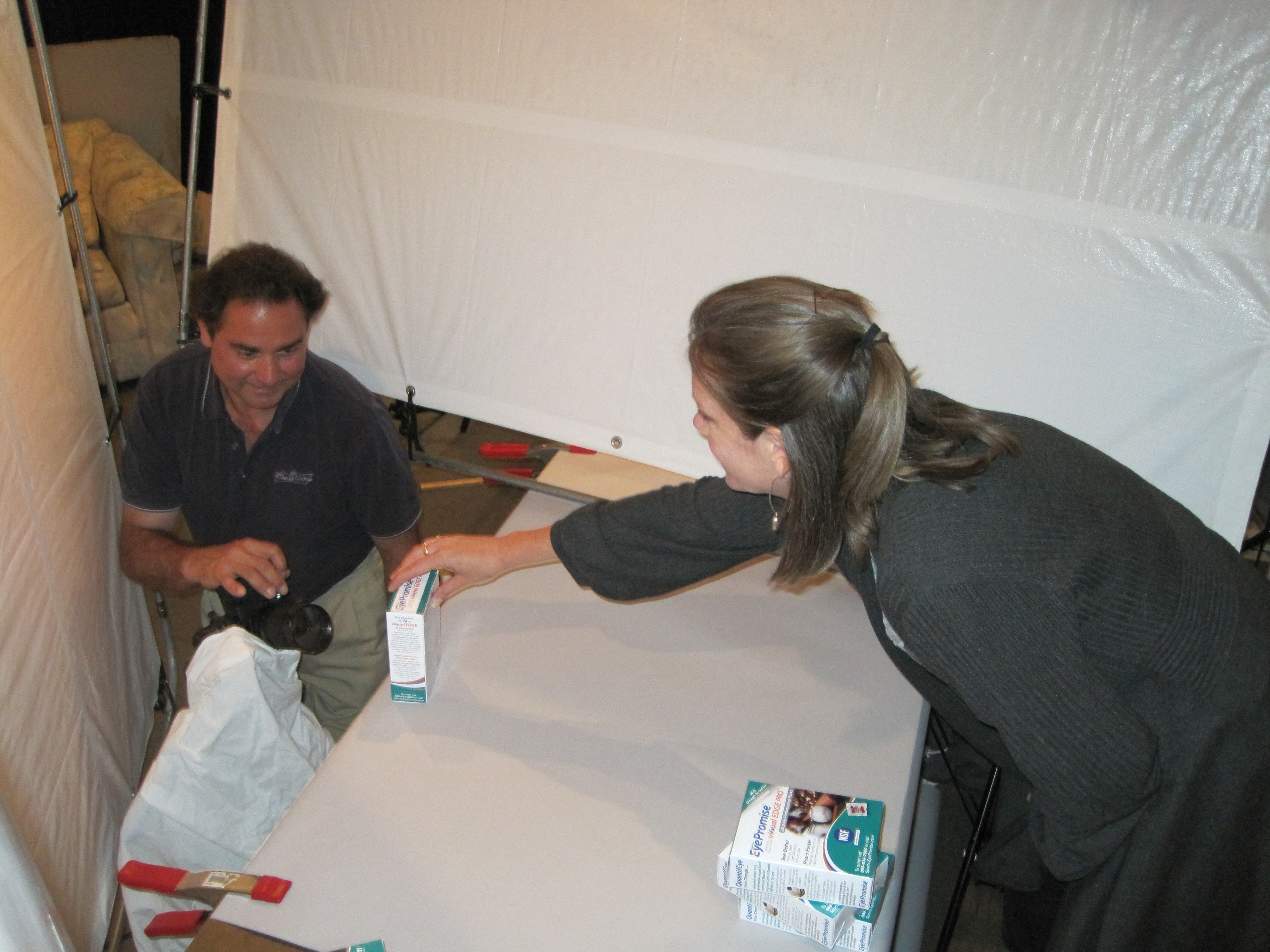
Setting up a new product for a photography shoot in the studio

What Does a Commercial Photographer Do?
A commercial photographer’s job is to create visual content that promotes a business or product. These images are often used in advertisements, websites, brochures, social media posts and more. Some commercial photographers may also shoot product photography where they photograph items for sale. Depending on the assignment, commercial photographers may be asked to create images that showcase the product in action or images of the product itself. Commercial photographers may have a background in photography, but they may be skilled in other areas as well, such as art direction, lighting, styling, and editing. Commercial photographers, like all types of photographers, need to be able to work creatively and have the technical skills to create high-quality images.

Types of Commercial Photographers
There are many types of commercial photographers. Some common types of commercial photographers include: Advertising – Creates images for advertisements for companies, including product and service advertisements that appear in newspapers, magazines, television, and online. Artistic – Creates images that are more artistic and evoke emotion. This type of commercial photographer works with models and art directors to create imagery that is creative and inspiring. Editorial – Creates images that portray a story or message and are used in magazines, newspapers, and online. Editorial commercial photographers may also create content for branding and commercial use. Product – Creates images of items for sale, such as clothing, furniture, or appliances. Stock – Creates images that are generic and can be used for multiple purposes. Stock commercial photographers often shoot with a wide-angle lens so that their images can be used for a variety of products.

Benefits of Hiring a Commercial Photographer
A commercial photographer can help your business create and publish images that are visually appealing and help promote your brand. Some benefits of hiring a commercial photographer include: – Having images for social media that get you more likes and engagement – Having images you can use in your marketing materials – Having images for your website that are high quality – Having images for advertisements that can help you stand out from your competitors By hiring a commercial photographer, you can have access to high-quality images that can help you attract potential customers, sell products, and engage your audience. You can also hire a commercial photographer to create images that you can use in your own portfolio.

Properly controlled lighting is essential for creating great commercial photos

Commercial photography is an important part of a business. Call on us! We help companies promote themselves, sell their products, and engage with their audience. We create images that are used to sell products, engage a brand’s audience, or showcase company assets. We can help your business create visual content that makes an impact. From images that showcase the product in action to images of the product itself, we can create high-quality images that help you get noticed.

Mike Haller
314-892-1233
stlouiscommercialphotographers@gmail.com

Advertising Photographers | We Make Products And Services Stand Out

Full Service B2B Photography & Video.

We offer commercial photography for all your marketing, advertising, PR, sales and social media needs.

We have the resources, man power and experience to handle photography projects of any size and complexity.

Our photography is focused on the unique needs of corporations, manufacturers, advertising agencies, design firms, marketing and branding firms and construction companies that rely on high quality photography and specific commercial photographer skills.

We are a business-to-business photography company. We concentrate our skills and resources the needs of businesses that include architectural photography, marketing/advertising photography, corporate event / tradeshow photography, product photography and corporate headshots.

Mike Haller
314-913-5626
stlouiscommercialphotographers@gmail.com